
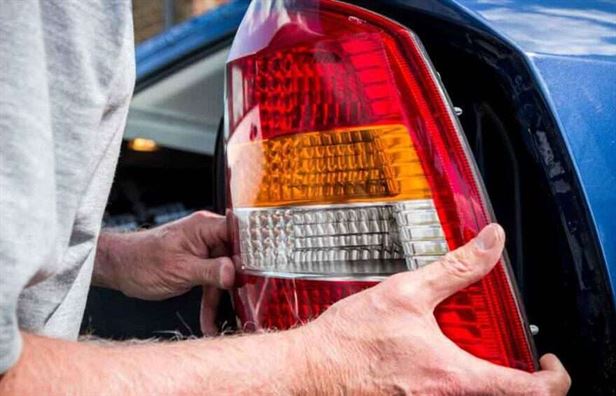
You can easily replace faulty tail lights, but if you have enough time, repairing the tail lights will do the trick. Depending on the type of repair you choose, tail light repair is relatively simple and quick.
However, if the damage is significant, there is no other option than to replace the tail lights. You can, however, repair chips and cracks. If you drive a classic or older model, it is more important that you know how to perform a tail light repair.
Broken or cracked tail lights make driving risky, and you could be subject to a fine for violating traffic laws.
Something to Know About the Tail Light
The tail light of any motor vehicle must be red to distinguish it from the headlight. This way, the driver can always clearly see whether the vehicle is moving or turning to one side or the other.
The car’s tail light can be easily repaired by replacing it with a new one. However, in many cases, the tail light can still be used and repaired.
This will save the car owner time and unreasonable costs, especially in some cases where the light belongs to a classic or rare car range.
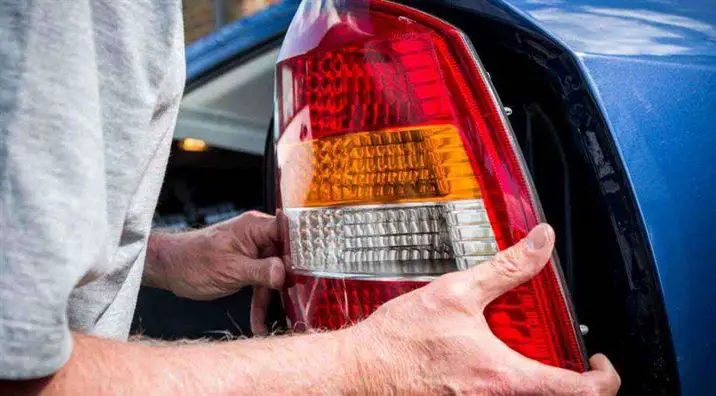
The type of repair needed for the tail light depends on the severity of the damage and the shape of the broken part. Let’s take a look at the specific repair steps below to solve your problem when this cracked tail light repair situation arises.
Tail Light Repair: Step by Step
Below are 4 steps to repair a tail light if the question: How to repair a broken tail light? comes up. Read on to find out how to repair a broken tail light at home.
Step 1: Remove the Part You Want to Repair
Start by removing the part you want to repair. Now take your repair kit and discard the plastic film.
Apply the film over any crack or hole. The film only works on a smooth surface. If the inside is rather bumpy or rough, use cellophane tape.
Step 2: Prepare the Chemical Mixture
A tail light lens repair kit usually contains a material inside to repair the damage. To activate the chemical process, you need to mix the ingredients, like an epoxy. Once the mixture is complete, you must apply it as soon as possible to ensure its effectiveness hasn’t diminished. However, in all situations, you don’t need to panic, as you will have enough time to apply the mixture. Follow the instructions of the tail light lens repair kit.

Step 3: Apply the Chemical Mixture to the Fixed Area
Use the syringe inside to apply the chemical compound. When applying, make sure not to exceed the area to be covered. Small repairs shouldn’t take more than a few drops. You must apply the compound carefully as it is difficult to remove.
Step 4: Let the Fixed Area Dry and Then Reinstall the Tail Light.
Once you have finished applying the material, wait for it to dry. As it dries, it will appear darker than the rest of the glass. After some time, when you are sure the material is completely dry, reinstall the tail light.
Tail Light Repair FAQ
- How Important Are Functional Tail Lights?
Functional tail lights are essential for road safety. They signal the presence and intentions of your vehicle and help prevent accidents, especially in low visibility conditions like at night or in bad weather.
- What Are Common Reasons for Tail Light Failure?
Tail light failure can result from burnt-out bulbs, damaged wiring, or a blown fuse. Moisture buildup and accidents can also cause tail light malfunction.
- Can I Replace a Tail Light Bulb Myself?
Yes, replacing a tail light bulb is generally simple. Refer to your vehicle’s manual for the correct bulb type and follow the instructions. Make sure to disconnect the battery and wear gloves for added safety.
- How to Troubleshoot a Flickering Tail Light?
Flickering tail lights may indicate a loose bulb or wiring. Start by checking and securing the bulb. If the problem persists, inspect the wiring and connections for any damage or corrosion.
- Is Condensation Inside the Tail Light a Concern?
Condensation inside the tail light can lead to bulb failure and wiring damage. It is recommended to address this issue promptly by checking for leaks, sealing gaps, and replacing any damaged components.
- Can I Drive with a Cracked Tail Light?
Driving with a cracked tail light can allow moisture to enter the housing and damage the bulbs and wiring. It may also lead to legal issues if it affects the visibility of your vehicle’s signals. It is best to repair or replace a cracked tail light promptly.
- How to Repair a Broken Tail Light Lens?
If the tail light lens is cracked or broken, you can replace it with a new one. Most replacement lenses come with simple installation instructions, making replacement relatively easy to do yourself.
- Why Do My Tail Lights Stay On Even When the Car Is Off?
If your tail lights stay on after turning off the vehicle, it could indicate a problem with the switch or wiring. Check the switch and inspect the wiring for any signs of damage or corrosion. If the issue persists, consult a mechanic.
- Can I Use Tape to Temporarily Repair a Broken Tail Light?
Using tape as a temporary solution for a broken tail light is possible, but it is not a long-term fix. The tape may not provide a good seal against moisture and debris, and it could also impact the effectiveness of the light signals.
- What Should I Do If My Tail Lights Are Dim?
Dim tail lights can be caused by several factors, such as a weak electrical connection, a worn-out bulb, or a voltage issue. Start by checking and replacing the bulbs. If the problem persists, consult a professional to diagnose and address the underlying cause.