
The End of an Era for Motorsports
The closure of racing circuits has become an unfortunate trend in the automotive world. Following years of uncertainty, another iconic track is succumbing to financial pressures, joining a growing list of motorsport facilities that have ceased operations. Despite passionate efforts from the racing community to preserve this beloved venue, the decision has been finalized, marking a significant loss for enthusiasts and professionals alike.
Liquidation Sale Details
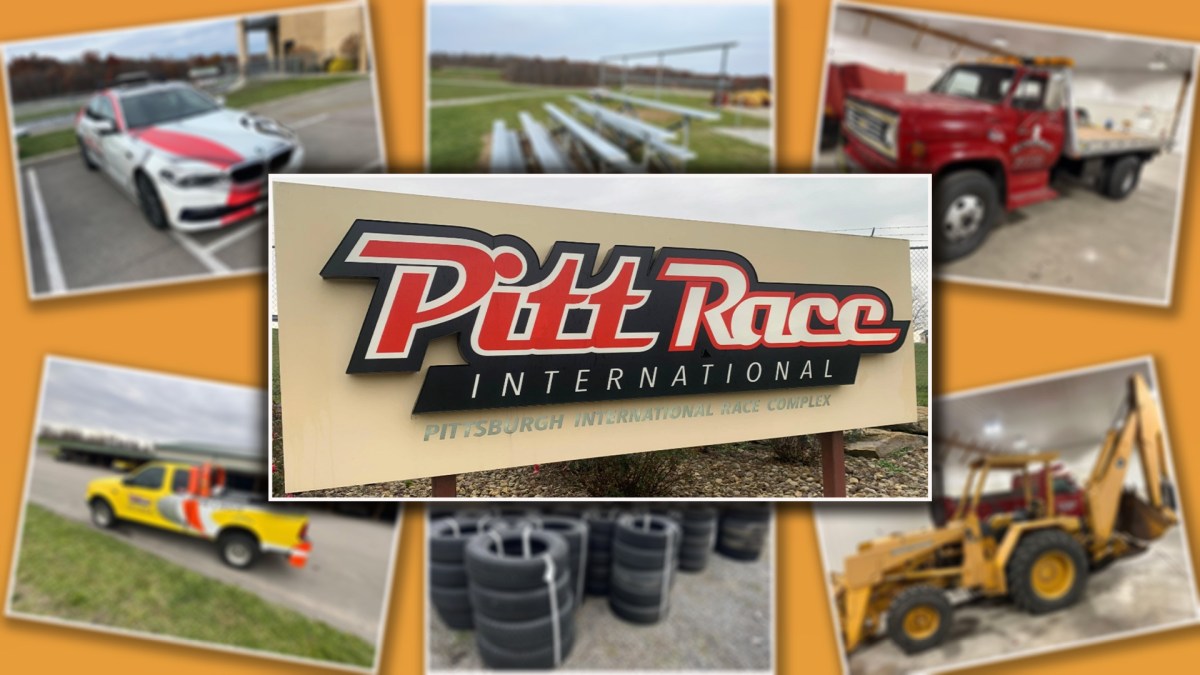
The circuit’s complete liquidation includes an extensive inventory of vehicles and equipment. Among the assets being auctioned are race-prepared cars, safety vehicles, timing equipment, and maintenance machinery. This disposal represents one of the largest motorsport asset liquidations in recent years, offering rare opportunities for teams and collectors to acquire professional racing equipment.
Impact on Racing Community
The closure leaves a substantial void in regional motorsports, eliminating a crucial training ground for drivers and a testing facility for teams. Local businesses that supported track events face significant economic repercussions, while racing series must seek alternative venues. The loss particularly affects amateur racers who relied on the circuit’s affordable track days and entry-level racing programs.
Industry Challenges
Racing circuits worldwide face mounting operational costs, insurance premiums, and environmental regulations. Many facilities struggle to balance the needs of professional racing with public accessibility. The conversion of former racetracks to commercial or residential developments continues to reduce available racing real estate, creating concerns about the sport’s grassroots future.
Looking Forward
While this closure represents a setback, it highlights the need for sustainable business models in motorsports. Some organizations are exploring multi-purpose facilities that combine racing with entertainment and corporate events. The racing community continues to advocate for preserving existing tracks while developing new approaches to keep motorsports accessible to future generations.