

Saab Factory to Produce an Electric Pickup
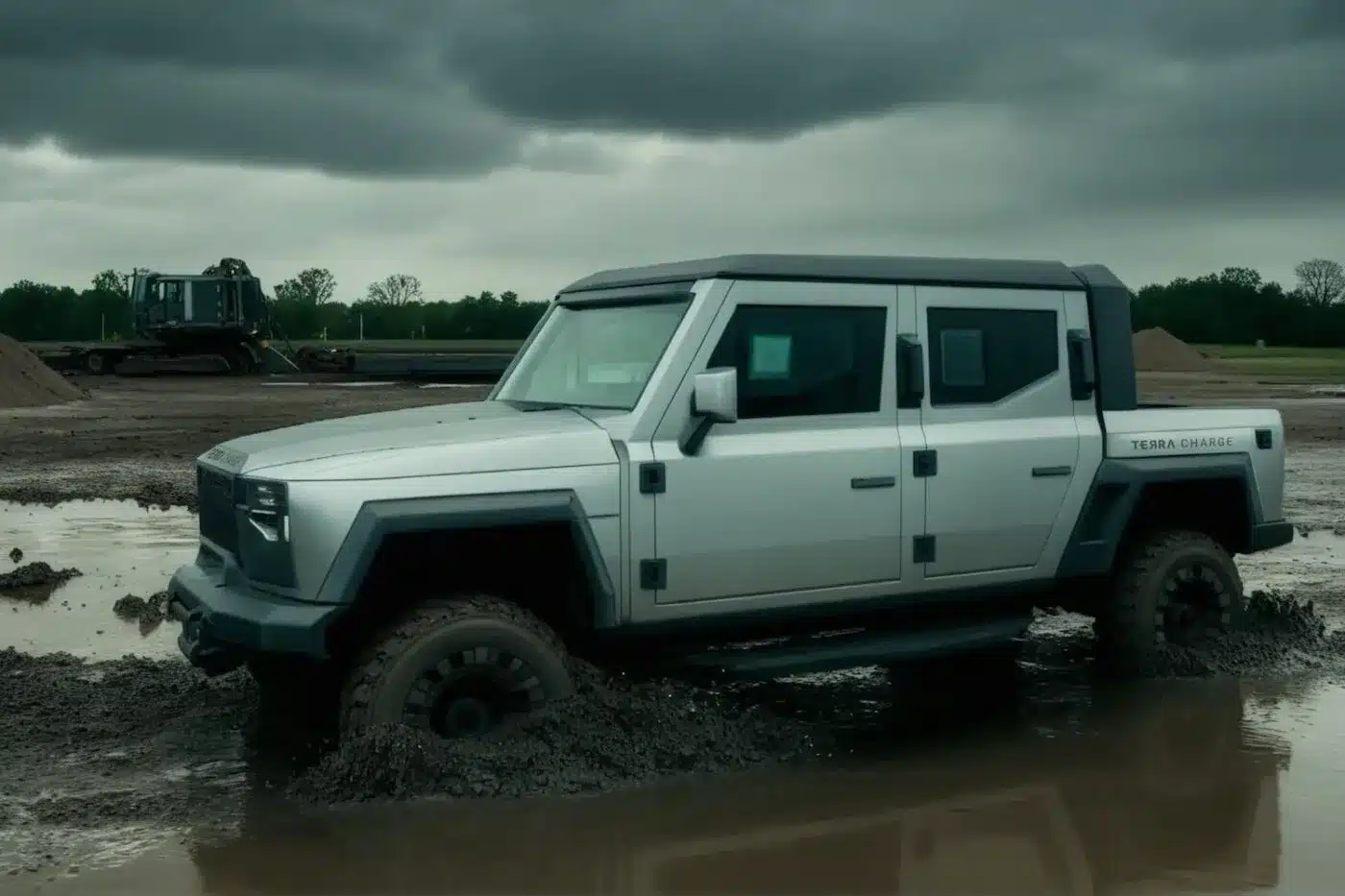
A new chapter is opening in Swedish automotive history with the announcement of the production of the JMV TerraCharge, an electric pickup that will emerge from the former Saab factories. This industrial revival in the historic facilities of Trollhättan marks a significant turning point in the evolution of the European automotive sector towards electrification.
The JMV TerraCharge: Features and Innovations
The JMV TerraCharge represents an innovative approach in the electric utility vehicle segment. Designed to meet professional and industrial requirements, this electric pickup integrates cutting-edge technologies in battery and powertrain. Its design is geared towards intensive use, with particular attention paid to range and load capacity, two essential parameters for professional users.
The TerraCharge’s technical platform benefits from the latest advances in electric automotive engineering. Specific technical details regarding battery capacity, motor power, and overall performance are eagerly awaited by industry observers.
A Strategic European Production
The choice to produce this vehicle in the former Saab factory in Sweden is not insignificant. This decision is part of a dynamic of industrial revival and enhancement of Scandinavian automotive expertise. The facilities, once dedicated to the production of Saab’s iconic models, thus find a new purpose in the era of electric mobility.
This geographical location offers several strategic advantages: access to a skilled workforce, proximity to specialized suppliers, and positioning at the heart of the European market. The transformation of these historic facilities into a factory dedicated to electric vehicles also symbolizes the ongoing energy transition in the global automotive industry.
A Specific and Restricted Market
Contrary to what this announcement might suggest, the JMV TerraCharge will not target the general public. Its marketing will be directed towards specific professional and industrial markets. This strategic direction explains why this vehicle will not be available in the traditional distribution network.
Potential end users likely include construction companies, public services, specialized rental companies, and other professional players requiring robust and eco-friendly utility vehicles. This market segmentation allows efforts to be focused on customers with well-identified needs and precise technical requirements.
Impact on the European Pickup Market
The arrival of the JMV TerraCharge will not, however, mean an immediate takeoff of the electric pickup market in Europe. The pickup segment remains marginal in the Old Continent compared to North American or Asian markets. European consumer preferences continue to favor sedans, station wagons, and SUVs for personal use.
Nevertheless, this launch could help change mindsets and demonstrate the relevance of electric pickups for certain professional uses. It also contributes to the diversification of the electric vehicle offering in Europe, beyond conventional passenger models.
Outlook and Future Developments
The production of the JMV TerraCharge in the former Saab factories opens interesting prospects for the European automotive industry. It demonstrates the ability to rehabilitate existing industrial sites and adapt them to new technologies. This initiative could inspire other similar projects across Europe.
The success of this project could also influence the strategies of traditional manufacturers regarding the development of electric utility vehicles. If the JMV TerraCharge meets the expected success with its target clientele, it could accelerate the electric transition in the professional vehicle segment.
The evolution of this project will deserve particular attention in the coming months, especially regarding production dates, final technical specifications, and reception by the professional market. This initiative represents an important milestone in the transformation of the European automotive landscape towards more sustainable and specialized mobility.