
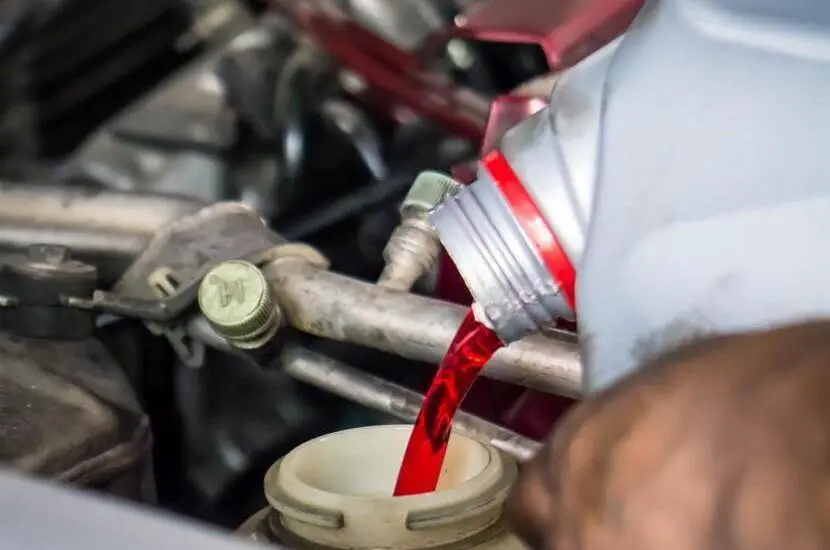
Transmission fluid is the lifeblood of the transmission. It ensures the engine runs smoothly and keeps the transmission temperature low since the gears generate a lot of heat due to numerous mechanical movements. Some people simply forget to change the fluid, which creates many problems. But will there be issues if there is too much transmission fluid? Let’s find out.
What are the symptoms of excess transmission fluid?
Every driver knows the importance of transmission fluid for the car, so we always feel like adding a bit more when changing the fluid, as most people think more is better than less. However, any excess is not good. Adding too much transmission fluid, exceeding the level specified by car manufacturers, will have unpredictable consequences.
Here are 4 common symptoms you may observe if your transmission is overfilled:
- First, when you remove the transmission dipstick, you will notice that the fluid appears foamy and bubbles appear on the dipstick.
- Transmission overheating – caused by the inability to reduce friction. If your car’s transmission overheats, it’s important to address the issue as soon as possible to avoid damaging the transmission components and your vehicle’s drivetrain.
- Difficult and delayed shifting – due to foamy fluid
- Appearance of a fluid puddle under the transmission – check for leaks on the transmission seals
- Gear slipping
What happens if you add too much transmission fluid?
The main function of transmission fluid is to minimize friction between the transmission components. However, it cannot do its job properly when you overfill the fluid reservoir. The result will be a grumpy transmission. Why does this happen?
Because of foam! Too much transmission fluid creates foam inside the transmission. Foam formation occurs when the rotating gears splash in the overfilled reservoir. It triggers excessive temperature and causes a chemical reaction leading to foam creation.
Foam affects the oil’s viscosity. For this reason, the fluid does not flow properly through the gears when you shift. Lack of lubrication will cause the transmission components to overheat, resulting in mechanical damage and transmission failure.
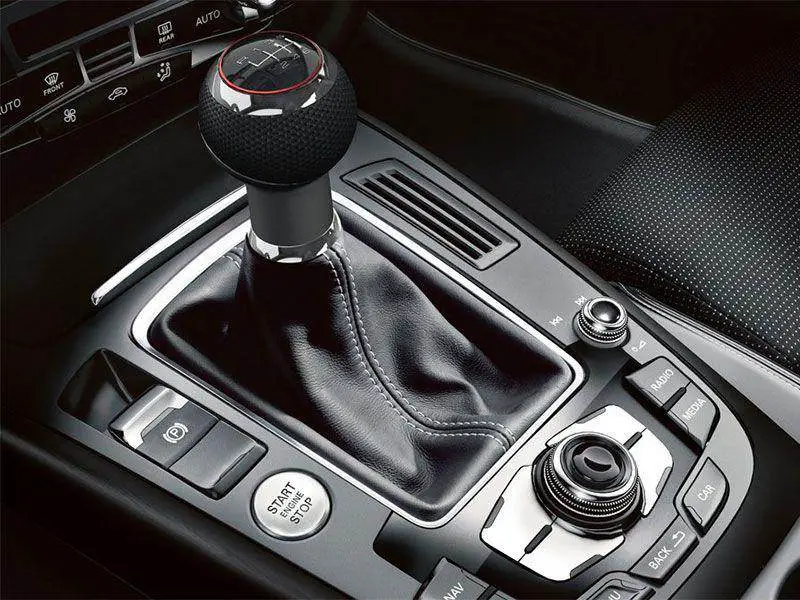
Although the consequence is the same, automatic and manual transmissions react differently to excess transmission fluid. In an automatic transmission, the gears compress, causing the foam inside to implode. This will affect the hydraulic pressure and cause further damage, as the automatic transmission depends on this pressure to function properly.
On the other hand, an overfilled manual transmission will show clutch problems. The excess oil will leak from the vent, affect the clutch, and lead to shifting issues.
How much fluid should the transmission hold?
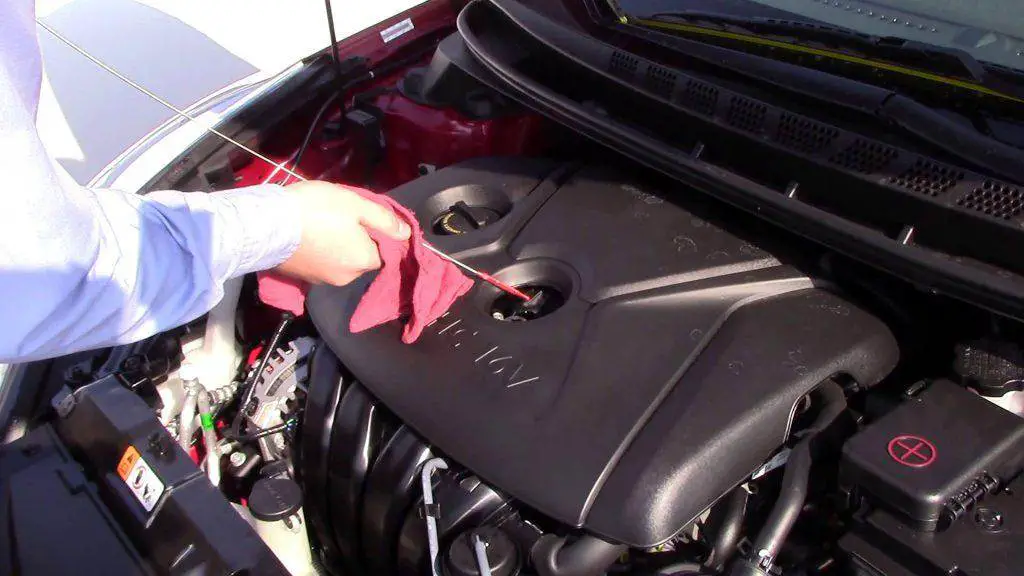
You should add half a quart at a time and continue taking readings with a dipstick. When it reads “full,” run the engine and set the gear to “idle” mode. Recheck the oil level when the engine is warm. Stop pouring oil when the dipstick indicates the oil level is at the upper end of the “hot” mark. If the engine is cold, the oil level should be at the upper end of the “cold” mark. When the engine is neither hot nor cold, the fluid level should be between these two marks.
Most transmissions have a capacity between 9 and 13 quarts. Consult the owner’s manual for the exact amount. However, you should always add it little by little to avoid too much transmission fluid.
If the engine was warmed up and the transmission fluid was still hot, the fluid level should not be more than a quarter inch above the full line, otherwise. At this point, there might be an issue with your transmission, and you may want to consider reducing the amount of transmission fluid in your reservoir.
Some transmissions cannot overflow due to how they are designed. They have a system that will drain or spill the excess oil.
Watch the video below to learn how to check transmission fluid:
What to do if the transmission is overfilled?
If your car shows symptoms of overflow, avoid complications and mechanical damage simply by siphoning or draining the excess fluid. You can do this using a fluid extraction pump or a fill tube that you can buy online. Depending on your car’s design, it will either have a cooling line or a pan drain plug, both of which you can simply remove to drain the fluid.
Here are the steps you can follow:
- Check the transmission fluid level: Use the dipstick to check the transmission fluid level. If the fluid level is above the maximum mark, your transmission is overfilled.
- Drain the excess fluid: If the transmission fluid is overfilled, you will need to remove the excess fluid. You can do this using a fluid pump or a siphon pump to suck out the excess fluid from the dipstick tube. Make sure to remove only the excess fluid and not drain too much transmission fluid.
- Check for leaks: Overfilling transmission fluid can be caused by a leak. So it’s important to check for any signs of leakage, such as wet spots or puddles under the vehicle. If you find a leak, repair it before adding more transmission fluid.
- Test drive the vehicle: After removing the excess fluid, take your vehicle for a short test drive to ensure the transmission is working properly. Check for any unusual noises or vibrations during the drive.
Final words
As you can see, an overfilled transmission is not a complicated problem to solve and avoid. But many drivers still have issues with this system because they ignore it until it causes serious damage.
Therefore, all you need to do is always take care of your car and check it thoroughly at least once a week. Keep in mind that not only the engine is important, but also other parts, including the transmission.