
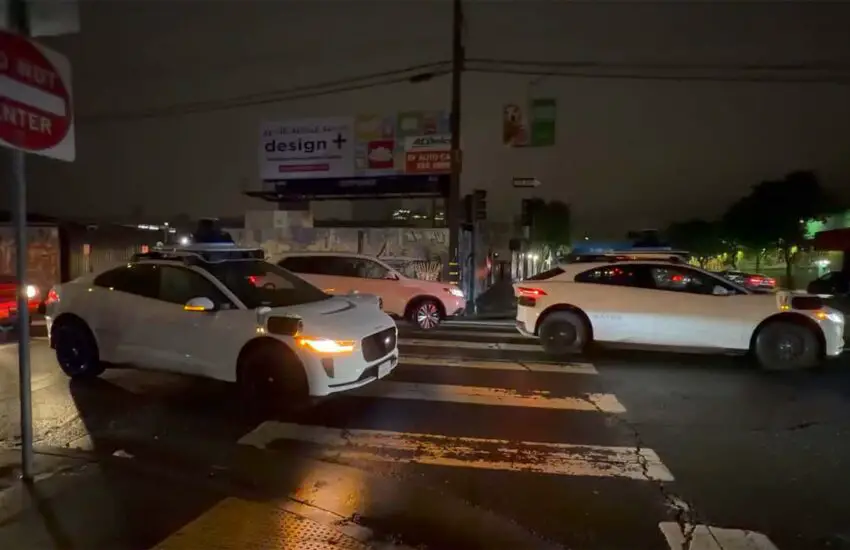
San Francisco Blackout Halts Self-Driving Fleet
A major power outage in San Francisco, triggered by a significant electrical fire, brought a stark reality to the city’s futuristic transit landscape. The incident, which left entire neighborhoods without electricity, had an immediate and visible impact: the paralysis of Waymo’s autonomous taxi fleet. This event serves as a critical case study on the interdependence of next-generation technology and legacy urban infrastructure.
When Advanced Tech Meets Basic Infrastructure
The blackout did more than just turn off lights. It disrupted the complex ecosystem that autonomous vehicles (AVs) rely on. While the cars themselves are designed to handle various scenarios, a widespread power failure affects critical support systems. Traffic signals went dark, creating unpredictable and hazardous intersections that fall outside standard operational parameters. Furthermore, potential impacts on cellular network stability or GPS accuracy could degrade the vehicles’ situational awareness, prompting a safety-first shutdown.

Broader Implications for Future Mobility
This paralysis highlights a fundamental challenge for the integration of robotaxis. Their operational design depends on a consistent and reliable external environment. This incident raises important questions about the resilience of future mobility networks. Can autonomous fleets develop sufficient offline capabilities, or will they always be vulnerable to city-wide infrastructure failures? The event underscores the need for robust contingency planning that goes beyond the vehicle’s software, encompassing city-wide disaster response protocols that include driverless technology.
The shutdown also had a tangible effect on urban mobility. In areas where Waymo and similar services have become a part of the transportation fabric, residents suddenly found one of their transit options unavailable during a crisis. This dependency suggests that as AV adoption grows, cities must consider them in essential service planning, ensuring alternative transport is available when high-tech solutions falter.