
Porsche Acknowledges Its Excess with Touchscreens
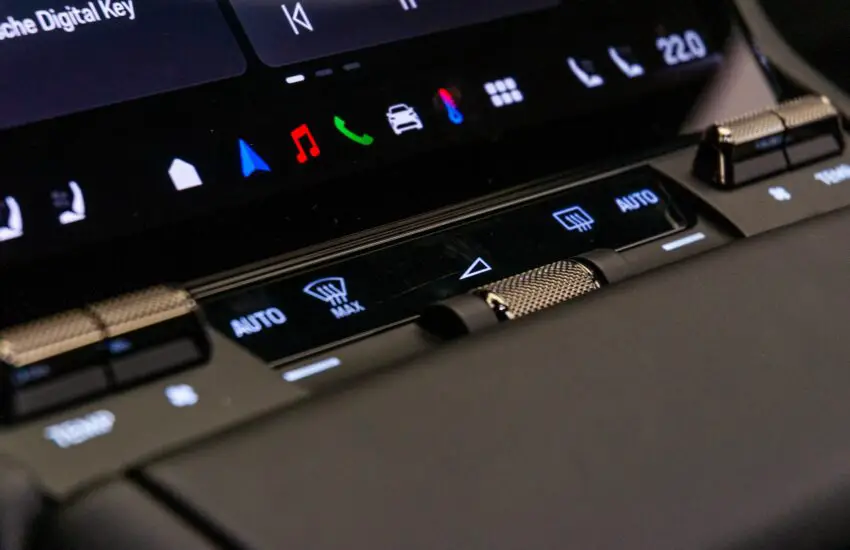
Despite the fact that the 2026 Porsche Cayenne Electric has 50% more screens than the current combustion model, the electric vehicle retains buttons, switches, and dials. This direction appears definitive for the German brand.
Porsche’s Commitment to Physical Controls
In Leipzig, Germany, Dirk Assfalg, the electronics manager for the Porsche Cayenne, confirmed that Porsches will “always” have certain buttons and dials, including a dedicated volume knob. This statement marks a significant strategic shift in the approach to automotive ergonomics.
The Balance Between Touch Technology and Physical Controls
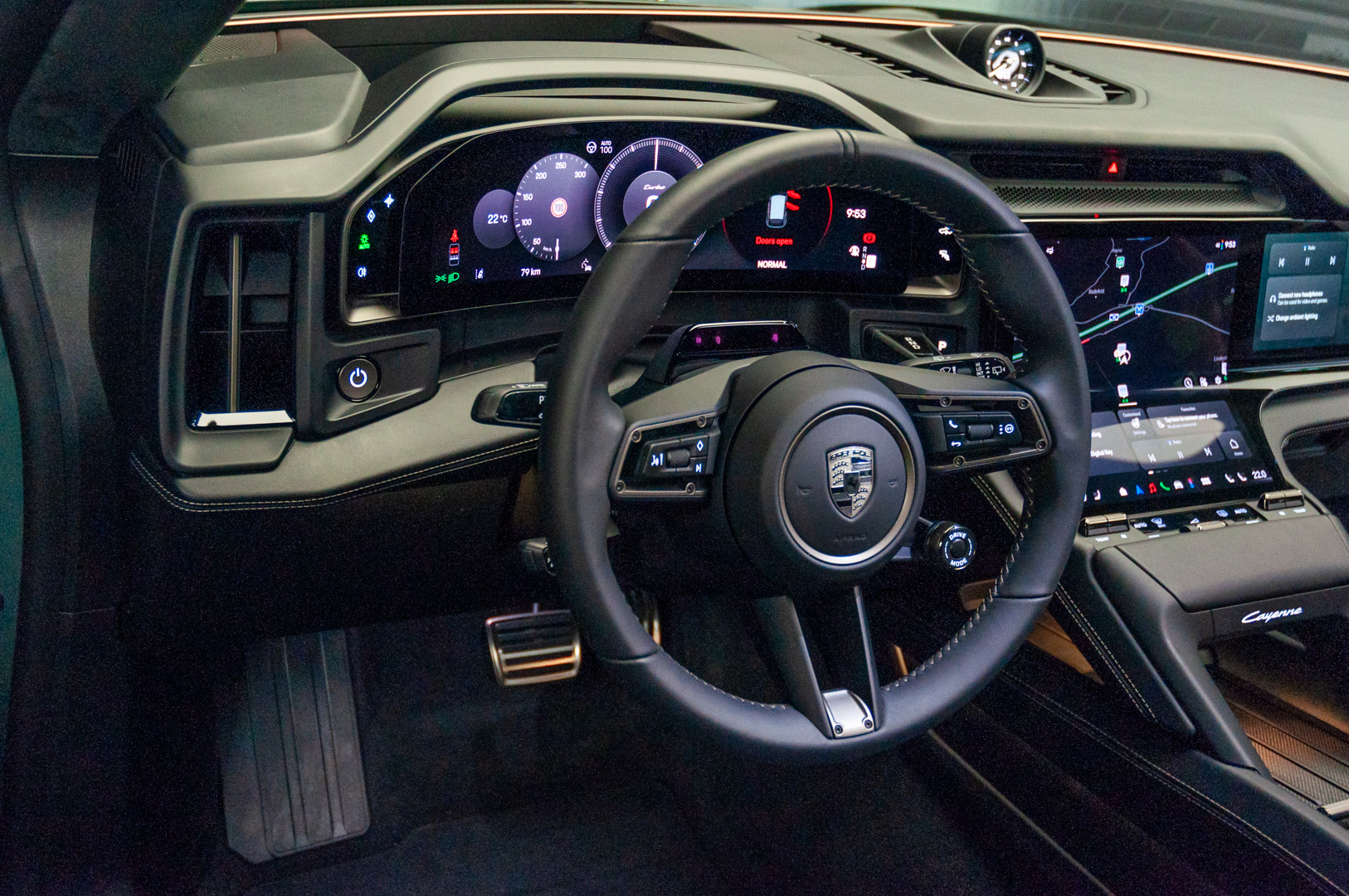
The electric Cayenne features a curved 14.25-inch OLED touchscreen at the center of the dashboard. This centerpiece controls the majority of the vehicle’s functions, including the direction of the air vents. However, physical switches for fan speed and cabin temperature remain, along with a volume knob. According to Assfalg, these three elements will remain essential in future Porsches.
Customer Voice as a Strategic Guide
“We know from our customers, including those from China, that there is a strong demand to keep these buttons in the car,” explained Assfalg. This decision stems directly from customer feedback in a market otherwise obsessed with touchscreens.
Porsche’s Ergonomic Philosophy
“We maintain physical buttons for functions where we want immediate tactile confirmation,” Assfalg specified. This approach reflects Porsche’s deep understanding of the importance of haptic feedback in the driving experience.
Lessons Learned from the Taycan
The experience with the Taycan, where Porsche had significantly reduced physical controls in favor of touch interfaces, served as a lesson. Customer feedback highlighted the limitations of an exclusively digital approach for certain essential functions.
The Future of Automotive Interfaces
While the automotive industry is trending towards fully digitalized cabins, Porsche is adopting a nuanced position. The brand acknowledges that certain interactions deserve to retain their physicality, particularly those used frequently or requiring immediate precision.
The Specificity of International Markets
The specific mention of China in Assfalg’s statements reveals the importance of cultural differences in ergonomic preferences. Even in markets known for their technological appetite, the demand for traditional controls persists.
The Balance Between Tradition and Innovation
Porsche thus demonstrates its ability to evolve while preserving its DNA. The harmonious integration of the most advanced technologies with proven ergonomic elements has now become a signature of the brand.