
The Limits of a Pure Vision
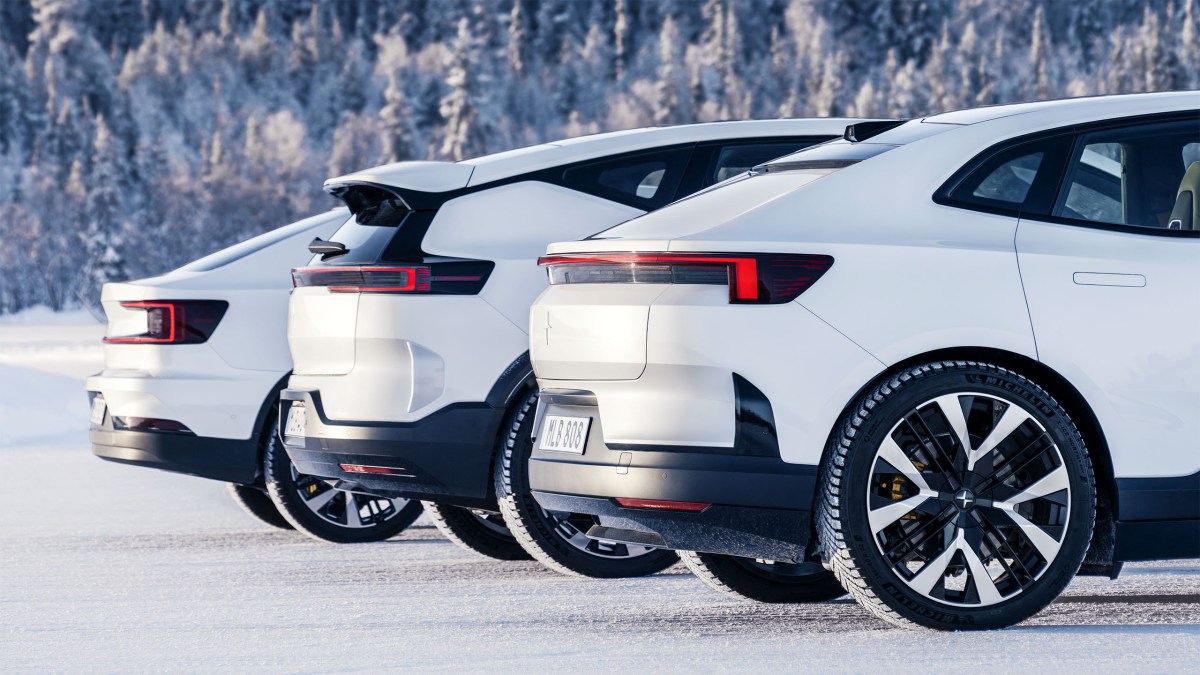
Polestar launched not just as a car company, but as a manifesto. It was defined by a series of bold “nevers”: no internal combustion engines after the Polestar 1, a stark palette of pre-selected colors, a rejection of traditional model cycles, and even the removal of a rear window on one model. This purist approach carved out a distinct identity in the crowded electric vehicle (EV) space, championing Scandinavian minimalism and sustainable performance. However, this rigid dogma ultimately collided with the hard realities of the automotive market and consumer expectations.
Confronting Commercial Realities
The pursuit of a singular vision came at a cost. Limiting customer choice on fundamentals like color alienated a segment of buyers who desired personalization. The unconventional design cues, while avant-garde, sometimes compromised practicality. Most critically, the capital-intensive nature of car manufacturing, combined with fierce price competition in the EV sector, made profitability elusive. The original business model proved unsustainable, forcing a fundamental reassessment of what it means to be a successful electric brand in today’s economy.
A Strategic Re-invention for Growth
Polestar is now navigating a necessary pivot. The brand is strategically expanding its model lineup to include more accessible vehicles like the Polestar 2 and the upcoming Polestar 3 SUV, which cater to higher-volume segments. This shift acknowledges the need for broader appeal while aiming to retain core design principles. The company is also reevaluating its technological roadmap and manufacturing partnerships to improve efficiency and cost structure. This phase is less about abandoning its identity and more about adapting its principles to achieve scale and financial sustainability.
The New Road Ahead
Polestar’s journey illustrates a classic industry tension between artistic vision and commercial imperative. Its reinvention is a pragmatic response to a challenging market, moving from a niche purist to a contender for mainstream EV adoption. The success of this pivot will depend on balancing its heritage of distinctive design with the practical demands of profitability and customer desires, writing a new chapter defined not by what it won’t do, but by what it can achieve.