
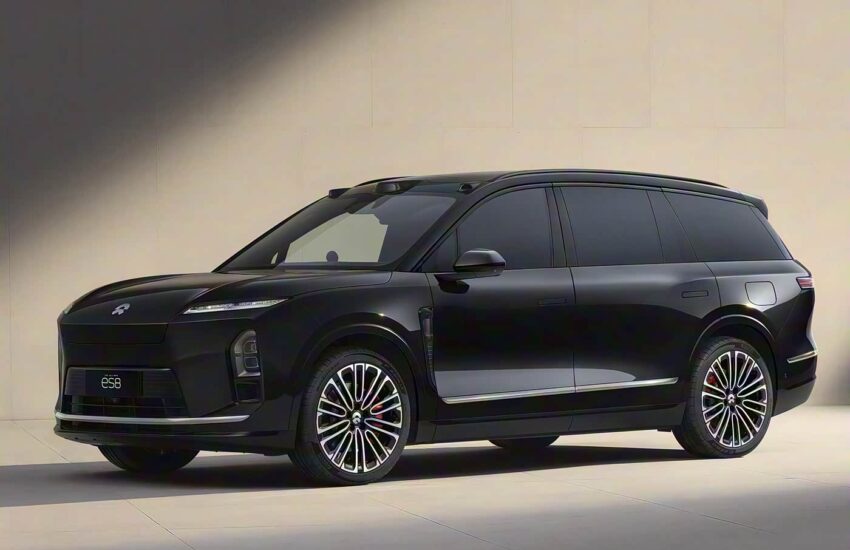
Soaring Demand for Premium EV Creates Component Shortage
The Chinese automotive market, the world’s largest, is witnessing a remarkable industrial shift. The spectacular resurgence of domestic automaker Nio is being driven by the premium segment, where its latest electric SUV, the ES8, is experiencing explosive demand. This success is so profound that it is now causing significant strain on the component supply chain, highlighting both the brand’s triumph and the growing pains of rapid electrification.
A Turnaround Story Fueled by Premium Electric Vehicles
Nio’s journey reflects a dramatic turnaround. Once facing financial uncertainty, the company has redefined its trajectory by focusing exclusively on the high-end electric vehicle market. The strategy is paying off handsomely. The Nio ES8, a full-size, six-seater electric SUV, has struck a chord with Chinese consumers seeking luxury, performance, and cutting-edge technology. Its innovative features, including a battery swap system and advanced autonomous driving capabilities, have set a new benchmark in the segment.
When Success Outpaces Production Capacity
The overwhelming market reception has led to an unforeseen challenge: a shortage of critical components. Since its launch, order volumes have consistently exceeded the most optimistic forecasts. This surge has exposed vulnerabilities in the supply chain for specialized semiconductors, premium battery cells, and other high-end parts essential for a luxury EV. The bottleneck is not due to a lack of manufacturing capability but to the sheer speed at which demand has escalated, outpacing the ability of suppliers to scale up production.
Broader Implications for the Global EV Industry
This situation underscores a critical phase in the global electric vehicle revolution. As consumer appetite for premium EVs accelerates, the entire supply ecosystem is being tested. The component shortage affecting Nio is a microcosm of a wider industry issue, where the race for electrification depends on complex, globally sourced parts. It signals that future success for automakers will hinge not only on design and software but equally on securing resilient and scalable supply chains to translate demand into delivery.