
Mercedes-Benz Shifts Gears with Sustainable Manufacturing
In a notable strategic pivot, Mercedes-Benz is looking to the past to build a more sustainable future. The automaker, celebrated for pioneering technologies from the airbag to advanced driver-assistance systems, is fundamentally changing how it manufactures vehicle components. This shift focuses on improving reparability, recyclability, and reducing the environmental footprint of its production processes.
From Adhesive Bonding to Mechanical Fastening
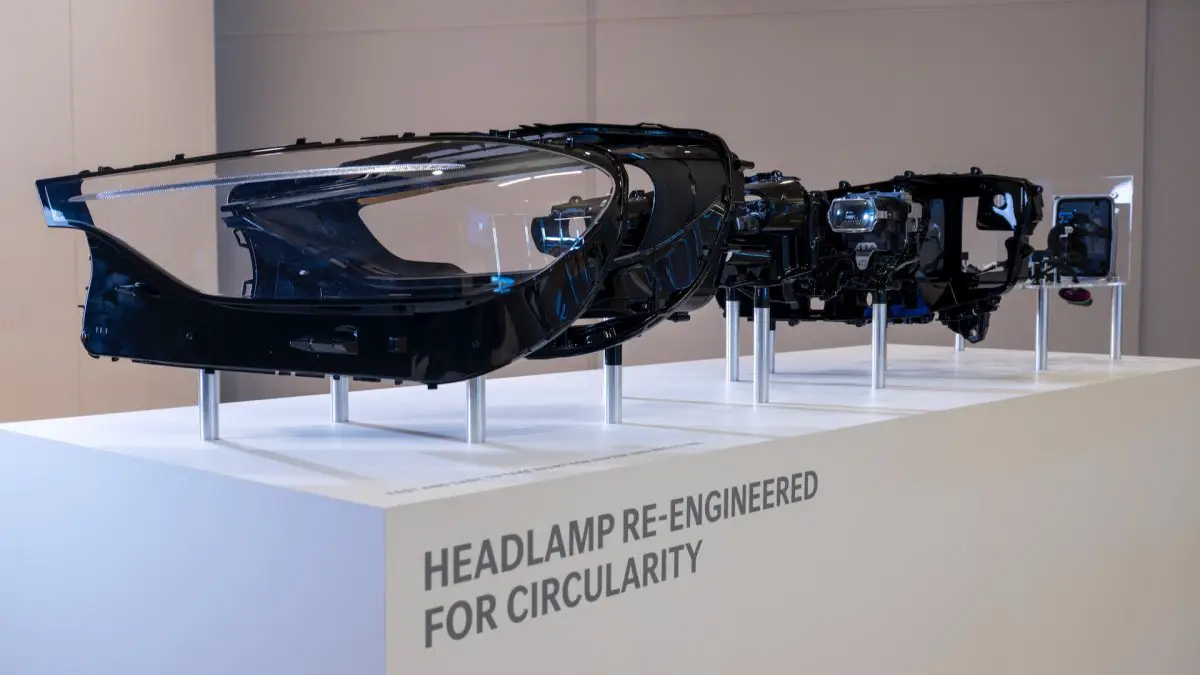
The current industry standard for assembling complex parts like headlights often relies on permanent adhesive bonding. While effective for creating a seamless, waterproof seal, this method presents significant challenges. It makes repairs difficult and complicates the recycling process, as different materials are fused together. Mercedes-Benz is now championing a return to mechanical fasteners—specifically screws and clips—for components such as headlamp housings.
The Core Benefits of a Screw-Based Strategy
This deliberate move away from adhesives offers multiple advantages for sustainability. First, it dramatically enhances repairability. A damaged headlight lens or housing can be disassembled and have individual parts replaced, rather than requiring the entire expensive unit to be discarded. This extends product lifecycles and reduces waste. Second, it streamlines recycling. At a vehicle’s end of life, components can be easily separated into pure material streams, such as plastic, glass, and electronic parts, ensuring higher-quality recycling and supporting a more effective circular economy.
Implementing a Future-Proof Design Philosophy
Mercedes-Benz is implementing this “Design for Disassembly” principle in its new MMA platform, which will underpin future electric models like the CLA. The redesigned headlights serve as a prime example. By using screws and durable seals, the brand maintains its high standards for quality and durability while embedding sustainability into the core of its engineering. This approach reflects a broader industry recognition that true innovation must balance advanced performance with end-to-end environmental responsibility, proving that sometimes the most forward-thinking solution has historical roots.