
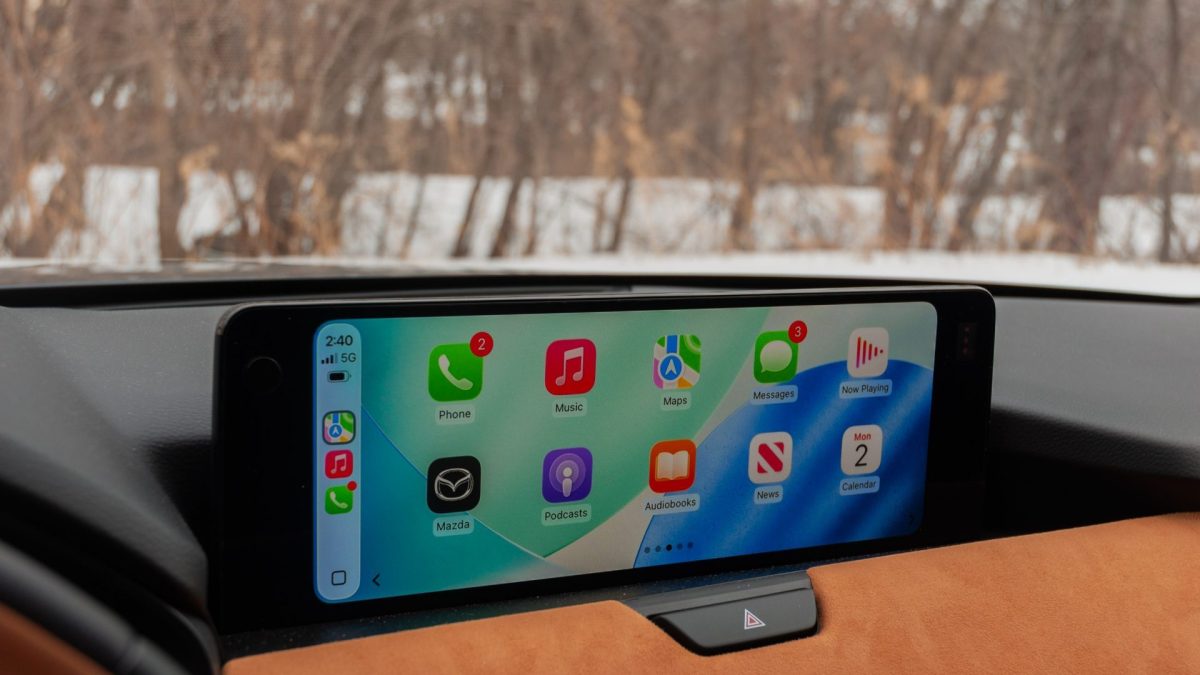
The Infotainment Interface That Divided Drivers
Mazda’s recent acknowledgment of its infotainment system’s shortcomings validated a long-standing debate among owners. The brand’s steadfast commitment to a rotary controller, eschewing touchscreens for most functions, created a clear divide. While some drivers praised the system’s safety and learned to navigate it efficiently, others found the learning curve frustrating, with some even reporting they rejected rental cars upon discovering the lack of touch capability.
Where the System Stumbled
The core issue wasn’t the rotary dial itself, but its execution and the software it controlled. Menus were often deep and convoluted, making simple tasks like entering a navigation address or switching audio sources a multi-step process. The system’s reliance on the commander knob for nearly all inputs, combined with a screen positioned further from the driver for safety, meant eyes were off the road longer than necessary—ironically counter to Mazda’s safety-first rationale.
The Simple Fixes That Could Have Saved It
Mazda was remarkably close to a successful system. A few key adjustments could have transformed user experience. First, reintroducing touchscreen functionality for passenger use and specific tasks like map pinching would have offered the best of both worlds. Second, a major software overhaul to flatten menu structures and allow more customization of home-screen shortcuts would have reduced distraction. Finally, integrating more intuitive voice commands from the start, rather than as a later update, could have provided a seamless, hands-free alternative.
Ultimately, Mazda’s infotainment story is a lesson in user-centric design. A principled approach to driver focus is commendable, but it must be balanced with intuitive usability. The system’s potential was gated not by hardware limitations, but by software design choices that prioritized philosophy over fluidity. As the industry moves forward, the lesson is clear: even the most well-intentioned systems must pass the ultimate test of daily, frustration-free use.