

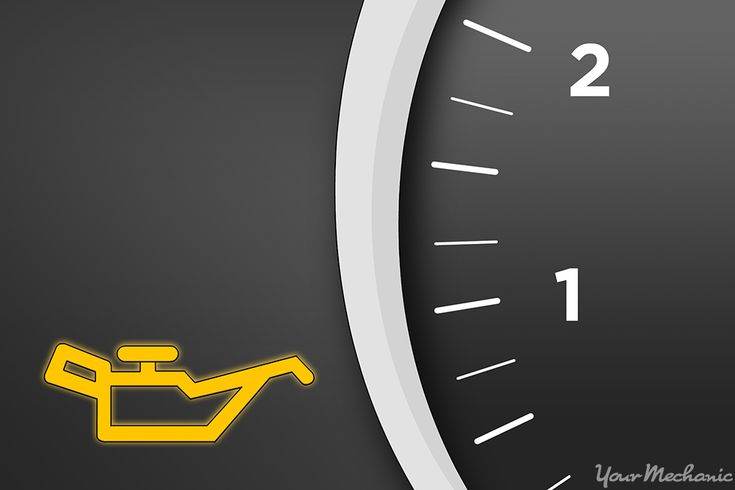
The flashing oil pressure light on the dashboard gauge could be the first sign of low oil pressure in your car. Ignoring it for a while will lead to problems with the valves or hydraulic lifters and create various noises under the hood. If you continue driving, you will eventually send the engine into a coma.
What are the causes and solutions for low oil pressure?
Oil ensures the lubrication of a motor’s internal components. Low oil levels can lead to engine overheating and increased friction between its various parts. Continuous friction and rubbing will cause components to wear out fairly quickly. Knowing the reasons for low oil pressure will help you resolve the issue immediately as soon as you spot a warning sign.
1. Insufficient Oil Quantity
This seems to be the most common reason, as car owners often forget to check the oil level and refill it. This happens when you fail to perform regular car tune-ups or inspections. Sometimes, a leak in part of the oil transport pathway will lead to a significant loss of oil pressure.
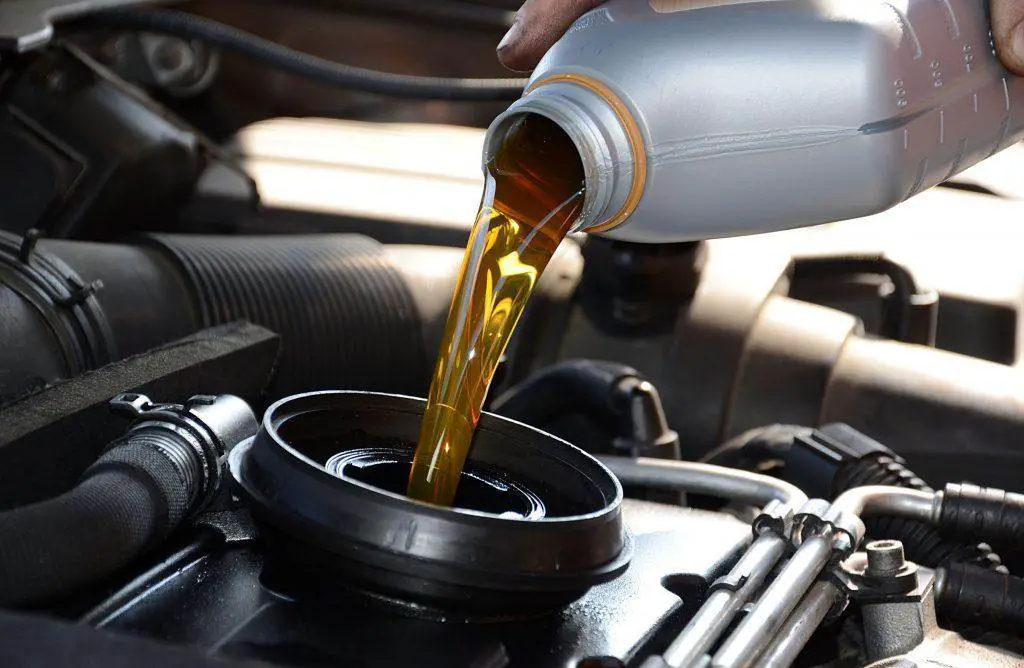
To resolve these issues, you need to check the oil supply lines and replace damaged components. Fill the tank to the proper level and your car will be operational again.
2. Dirty Oil Filter
Another answer to “what causes low oil pressure?” is a dirty oil filter. Oil passes through the filter before going from the pump to the bearings and oil pans. When the filter is clogged with dirt and debris, it creates greater resistance than usual to the oil flow. There comes a point where it no longer lets oil pass through. The only solution to this problem is to replace the clogged filter.
3. Damaged Relief Valve
This is an overpressure valve that ensures the oil pressure does not become too high. However, a worn or leaking valve allows oil to flow more freely into the engine, thus reducing the pressure.
4. Worn Bearings
One of the possible causes of low oil pressure is bearing wear. If you have driven the car for long enough, low oil pressure can occur due to the wear of the connecting rod bearings and main bearings. Bearings also play an important role in maintaining proper oil pressure. The correct bearing clearances keep the pressure at the desired level. When they wear out, they allow too much clearance, which leads to a significant pressure drop. This also results in increased engine noise and knocking. Excessive clearance elsewhere in the engine (not in the bearings) can also cause a pressure drop. This can happen in the camshaft journals, lifter bores, and transmission bearings.
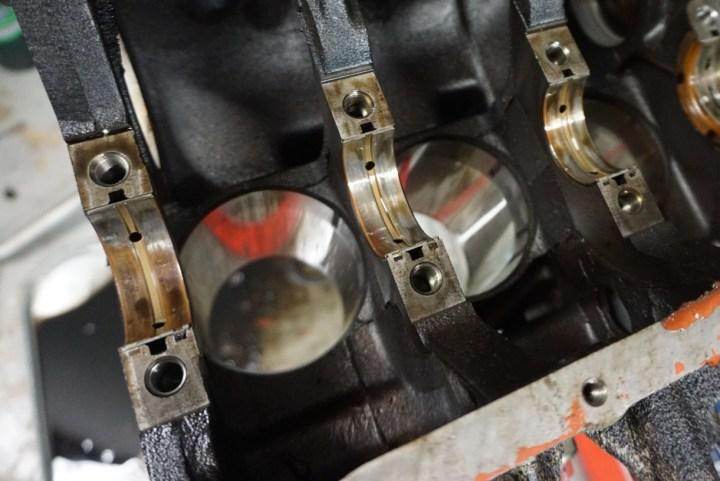
The only way to correct excessive clearance is to replace the bearings and refurbish some other associated engine parts. Adding a higher volume oil pump could be a solution as it will improve oil flow and increase the pressure a bit in the process. However, the clearance problem will still be present. Therefore, it will need to be replaced at some point.
5. High Oil Viscosity
High viscosity oil is thicker than regular oil, causing it to flow a bit slower. During the winter season, the flow can become so slow that it prevents the oil from reaching the proper pressure level.
Watch the video below to learn how to fix a low oil pressure light in your car:
Related Questions and Answers
1. Can I drive a car with low oil level?
When you are driving on the road and your oil light comes on, you need to take it seriously. It means there is a problem with the lubrication system and your car cannot drive safely. If this situation occurs, the first thing to do is to pull over and then turn off the engine as soon as possible. By doing this, you can save your life and prevent further damage to your car’s engine.
2. How much does it cost to replace the oil pump?
When it comes to changing your car’s oil pump, you need to calculate the cost of purchasing a new oil pump and the labor cost to install it, unless you can install it yourself. The average price of a new oil pump ranges from $200 to $300 depending on your car model. The labor cost is about $200 to $300, as it requires more skills from an experienced mechanic and takes more than an hour. In general, the total price is around $300 to $600 depending on who does the work.
3. The Important Role of Oil Pressure
A motor’s lubrication system consists of the oil filter, pump, hardware, and lubrication lines. The system’s pressure is created by the resistance that the oil must overcome in the lines to reach the lubricated parts. The pump’s function is to force the lubricant through the system. It provides the necessary pressure and flow to allow the lubricant to reach the farthest part.
When you find that the oil pressure is low, it means there is a problem with your engine. It also indicates that your engine may be lacking lubricant. An engine devoid of lubricant can cause metal parts to touch metal parts and damage the machine. An engine may stop working within a few minutes or even a few hours, depending on the severity of the situation. Repair costs can be quite high as you need to replace most of the parts.
4. How to get rid of low oil pressure?
To avoid the risk of low oil pressure, here are a few things to do:
- Make sure to regularly inspect the oil level and check for leaks from your engine and your garage floor.
- When it’s time to change the oil and filter, make sure to do it immediately. The recommended lubricants are high-quality products that include the correct viscosity grade and appropriate quality standards specified by the API (American Petroleum Institute) in the car’s manual/engine.
- If there is a problem with the pressure sensor and you are not aware of it, avoid driving your car as soon as possible. In this situation, the best solution is to take your car to a mechanic to inspect the condition of the oil and engine.
- Observe if there is blue smoke coming from the exhaust pipe, especially on high-mileage cars.
5. Low Oil Pressure at Idle: Causes and Solutions
Symptom of low oil pressure at idle: The oil pressure light only comes on when the car is warm at idle. After a few revs, the light goes out and stays off under load.
Here are the most common symptoms and causes to inspect:
| Symptoms | Causes | Solutions |
| Limp mode | Dirty pickup at the oil pump | Replace the oil pump |
| Engine noises | Engine lacking oil | Refill oil |
| Oil level/pressure light on the dashboard | The type of oil is not correct | Change engine oil + filter |
| Broken engine | Broken oil pump | Change the oil pump |
| Faulty instrument cluster | Change the instrument cluster | |
| Faulty oil pressure sensor | Change the oil pressure sensor | |
| Internal oil leak inside the engine | Repair the internal oil leak |
Did you enjoy our article? If you have any questions, feel free to leave them below and we will discuss them in more detail.