
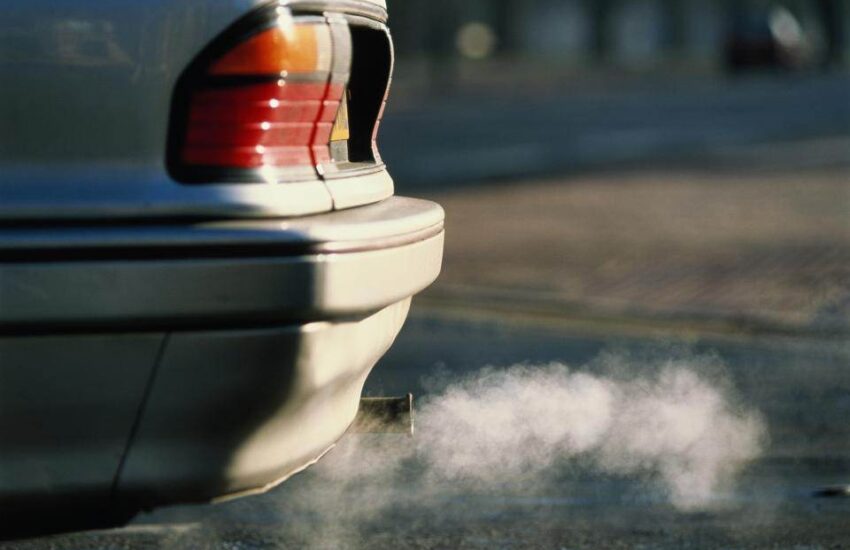
It’s time to pay attention to your car if it emits smoke from the exhaust pipe. The smoke can be different colors and may not be dangerous at all. However, you should not ignore white smoke coming from the exhaust pipe as it could be a sign of major problems.
What Does White Smoke from the Exhaust Pipe Mean?
Sometimes, normal condensation buildup inside the exhaust system causes a very fine white vapor. There’s no need to worry in this case because it disappears very quickly. Sometimes, white smoke can be due to condensation.
When starting your car, you will see smoke escaping from the exhaust pipe. White smoke that dissipates quickly, especially in cold weather, is likely due to condensation in the exhaust system. This is a normal phenomenon and usually not a concern. It often happens when the engine starts after idling for some time.
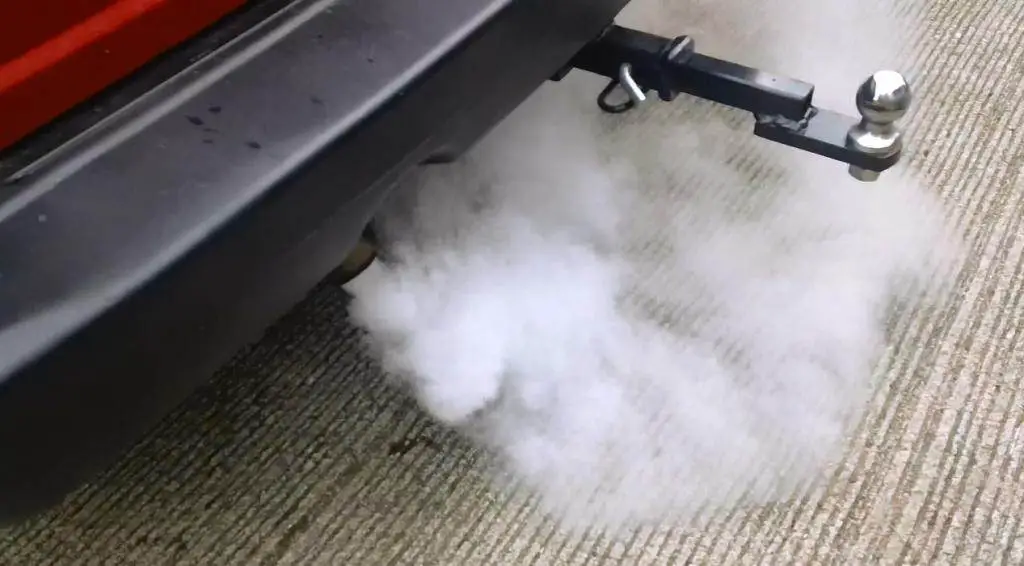
On the other hand, thick white smoke could be a warning sign of many serious problems such as a cracked cylinder head, a blown head gasket, or a cracked engine block – all of which are expensive repairs.
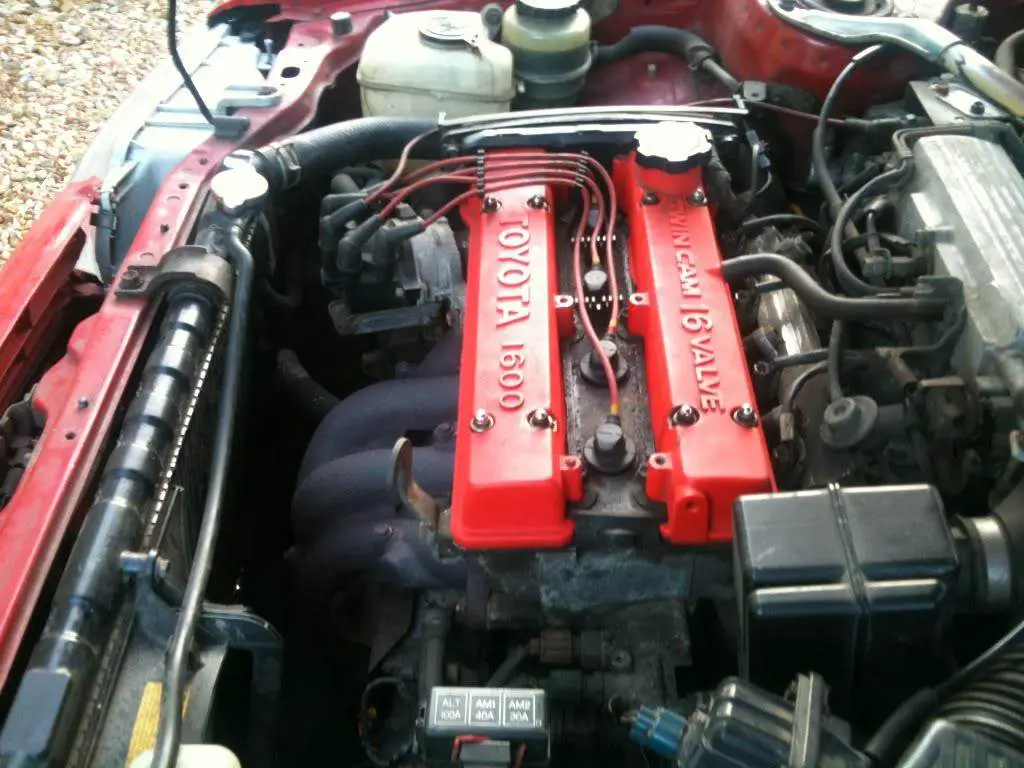
Coolant burning is another reason for white smoke. Even a small leak poses a risk of overheating and thus serious engine damage. Coolant could mix with oil and damage important engine parts. When the coolant reservoir leaks, the fluid inside flows out, causing engine oil contamination and the exhaust smoke becomes milky.
Furthermore, low coolant level is also a cause of white smoke coming from the exhaust pipe. This causes the head gasket to fail, leading to wear of internal components and possible coolant leakage. At this point, the car owner must perform a thorough inspection of the crack in the head gasket to decide whether to reseal or replace it accordingly.
White smoke from the exhaust system, if not addressed promptly, will cause too much damage and reduce the engine’s lifespan. Even in the long term, this incident can cause fire and explosion when using the vehicle.
How to Stop Smoking in Car Exhaust?
When the vehicle starts emitting white smoke, drivers should check the vehicle parts and quickly remedy this situation to ensure safety and minimize subsequent repair costs. Follow these steps if your vehicle emits an excessive amount of white vapor:
Inspect the Intake Gasket
An intake manifold evenly distributes coolant or the combustion mixture to each intake port of the cylinder heads. There is a gasket that seals this manifold to the head. If it fails or is damaged, coolant will enter the port and then into the combustion chamber. Your job is to remove the intake manifold and examine the gasket to see if there is a leak or rust. If everything went well, proceed to the next step.
Examine in More Detail to Check the Head Gasket
When the intake gasket is in good condition, probe further to discover the reason for the smoke. There is a head gasket that seals the cylinder head to a block through which coolant flows to the cylinder. Any leak or damage in this part will allow coolant to enter the combustion chamber and create a jet of white vapor coming out of the exhaust pipe.
Look for Any Crack in the Cylinder Head
This part is made of aluminum which tends to break in case of overheating. You must change it if it appears broken or damaged in another way. It is important to ensure that it seals evenly with the engine block and the head gasket.
Solving such a problem is easy if you are an experienced mechanic. However, it will be wise to take the vehicle to a repair shop because changing any car part is a complicated job for an amateur.
Coolant is an antifreeze ingredient that keeps the engine cool when everything is normal. However, white smoke escapes from the exhaust pipe when this element leaks into the engine’s combustion compartment.
A pungent smell accompanies the vapor, which is a simple way to detect the problem. Other symptoms are engine overheating and loss of coolant without any visible leak.
Learn more about the repair process:
Car emissions not only affect human health but also the environment, especially in high-traffic areas.
White smoke from car exhaust is due to many different causes, but if the car emits white smoke at times other than winter, drivers must handle it quickly to avoid damaging the engine and reducing the vehicle’s power on long trips. Therefore, vehicle owners must understand the causes and ways to repair white smoke in their car and plan periodic maintenance and regular vehicle inspection for quick solutions.