
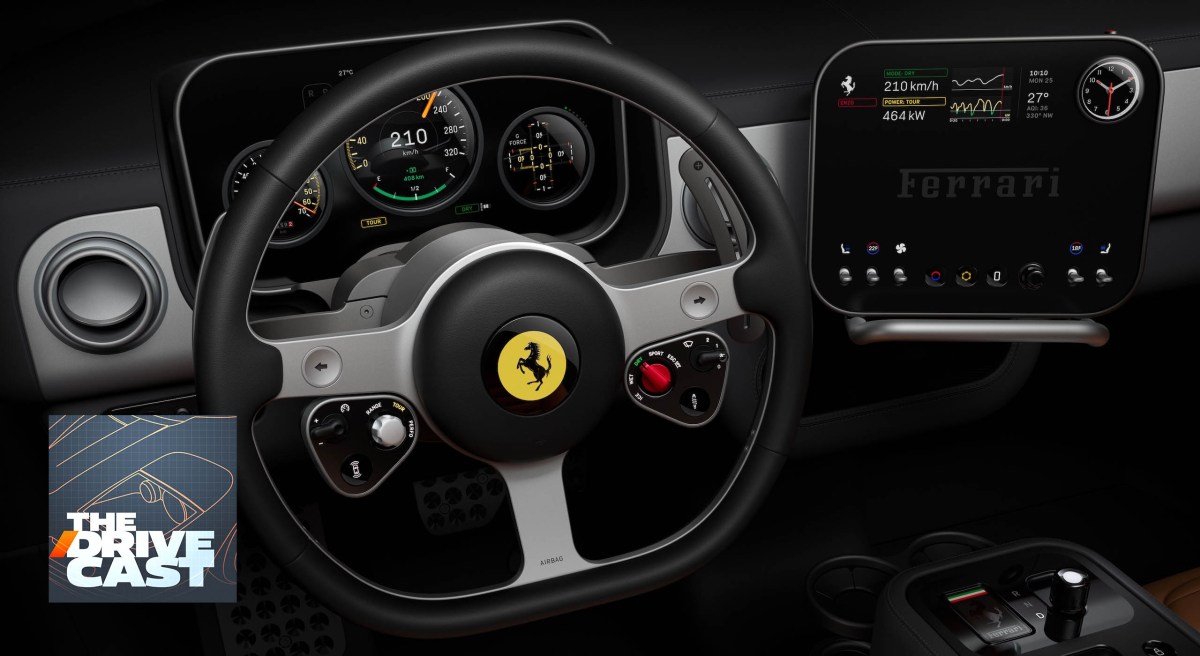
Beyond the Screen: A New Philosophy for the Driver’s Seat
The modern car cabin has become a battleground of technology, dominated by sprawling touchscreens and complex menus. This trend, often at odds with the tactile joy of driving, has reached a critical point. In a bold move, Ferrari has enlisted legendary designer Jony Ive and his collaborator Marc Newson to reimagine the experience for its first fully electric vehicle. This partnership signals a potential paradigm shift from digital overload to human-centric design.
The Legacy of Tactile Intuition
Jony Ive’s legacy at Apple was built on a fundamental principle: making profound technology feel simple and intuitive. The iPhone succeeded not just as a screen, but as a physical object that invited touch and understood human interaction. Applying this philosophy to a Ferrari interior suggests a move away from purely visual interfaces. The goal is likely to restore a sense of physical connection, where controls communicate through material, texture, and precise haptic feedback, creating an interface that engages the driver’s senses beyond sight.
Redefining Luxury in the Electric Era
For Ferrari, electrification is more than a change in powertrain; it’s an opportunity to redefine automotive luxury for a new era. By partnering with designers from outside the automotive industry, Ferrari is seeking a disruptive perspective. The challenge is to create a cabin that feels inherently futuristic and electrically born, yet retains the emotional resonance and visceral engagement synonymous with the prancing horse. The result may not be a removal of screens, but their integration into a holistic environment where technology serves the driver, not the other way around.
This collaboration represents a significant test. Can the minimalist, user-obsessed ethos of consumer tech successfully merge with the high-performance, emotional world of supercars? If successful, Ive and Newson may not just design a new Ferrari interior, but could chart a new course for how humans interact with all vehicles, proving that the future of cabin design lies in thoughtful reduction, not just technological addition.