
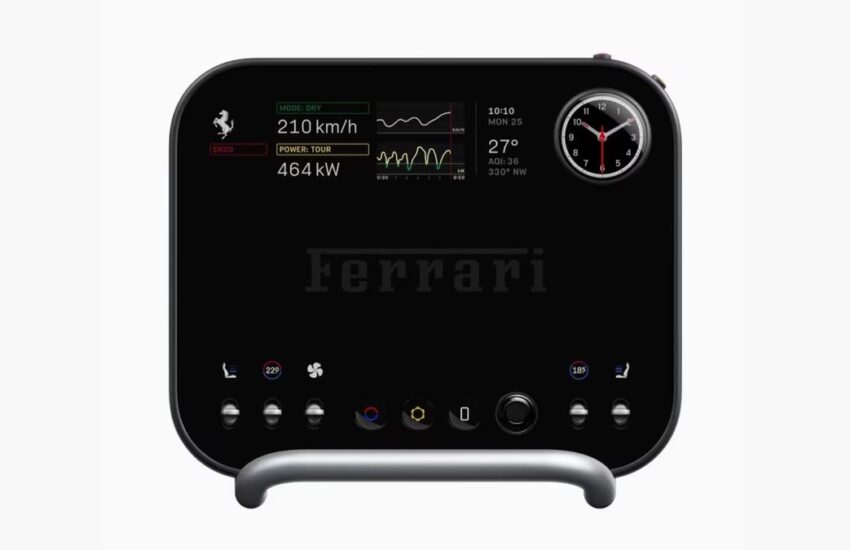
The Design Visionary’s Critique of Modern Car Interiors
Sir Jony Ive, the legendary designer behind the iPhone’s iconic form, has turned a critical eye toward the automotive industry. In a striking critique, he has labeled the pervasive use of giant touchscreens in cars, exemplified by Tesla’s minimalist cabins, as an “easy and lazy” solution. This perspective challenges a core trend in modern vehicle design, suggesting that replacing physical controls with glass panels may prioritize cost and simplicity over genuine user experience and safety.
Function Over Form in a Digital Age
Ive’s argument centers on the tactile and intuitive nature of driving. He implies that the removal of buttons and knobs forces drivers to take their eyes off the road to navigate complex digital menus for basic functions like climate control or audio adjustment. This stands in stark contrast to the muscle memory and immediate feedback provided by physical controls. His critique suggests that true innovation in automotive interiors should not merely digitize for the sake of modernity but should thoughtfully integrate technology to enhance, not hinder, the driver’s connection to the vehicle.
The Broader Industry Implications
This criticism arrives as nearly every major automaker, from luxury brands to economy models, races to install larger central displays. The industry trend, heavily influenced by Tesla’s success, equates a screen-dominated cabin with being cutting-edge. Ive’s comments serve as a provocative counterpoint, advocating for a more nuanced approach where digital and physical interfaces coexist intelligently. It raises a fundamental question for designers: is the goal to create a sleek, tech-forward statement or to engineer the safest, most intuitive environment for the person behind the wheel?
A Call for Thoughtful Innovation
Ultimately, Jony Ive is not dismissing technology in cars but is challenging its execution. His “lazy” remark underscores a belief that the easiest design path—replacing everything with a touchscreen—may not be the best. It calls for a renaissance in interior design thinking, where the principles of human-centered design, tactile satisfaction, and minimal distraction are paramount. As the automotive world continues its electric and digital transformation, this critique from one of the world’s most influential designers may inspire a more balanced and considered evolution of the driver’s cockpit.