
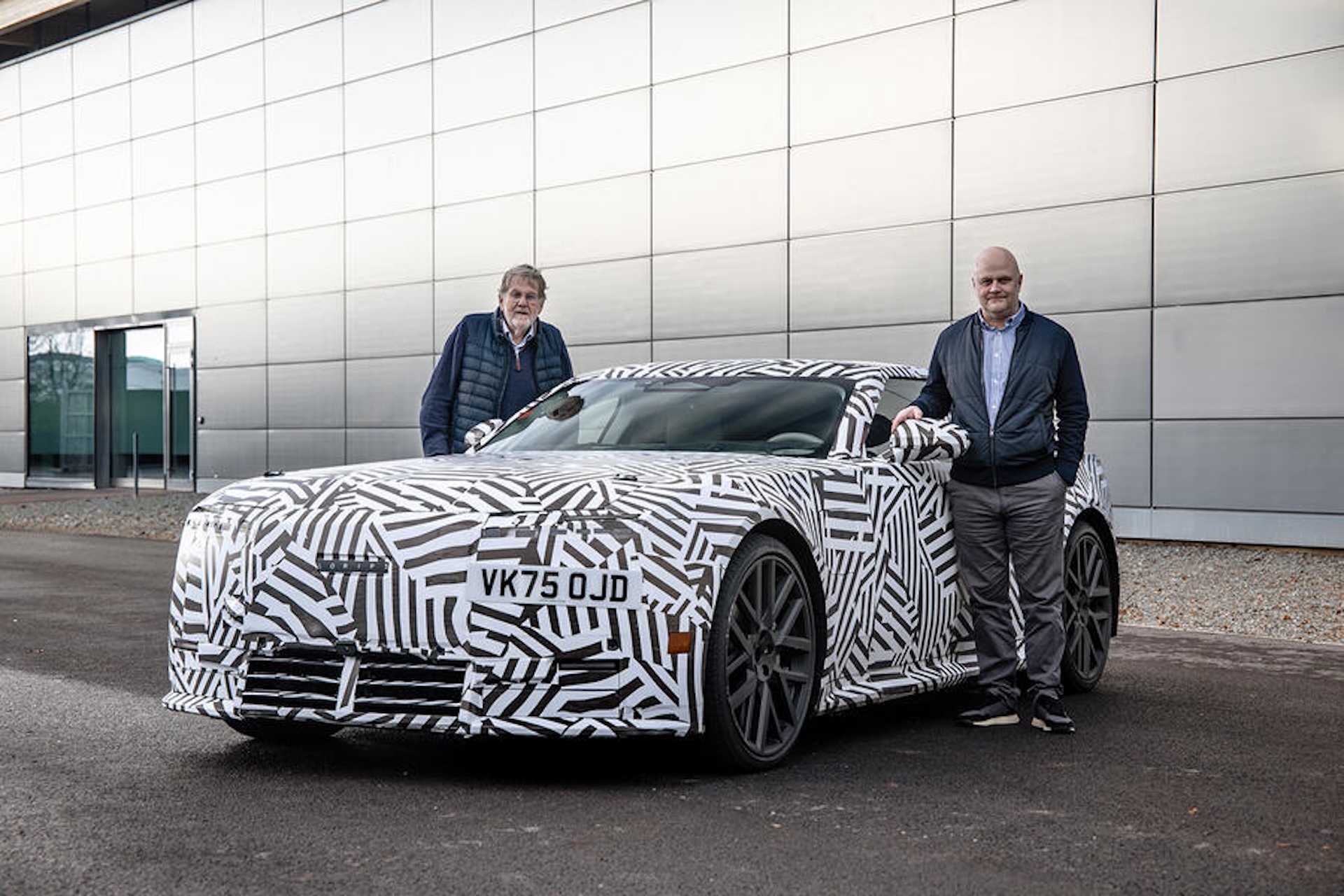
Jaguar Type 00: Redefining Automotive Greatness
In the world of automotive design, few concepts have sparked as much debate and admiration as the Jaguar Type 00. Unveiled to a polarized audience, this radical vehicle transcended conventional critique to be hailed by prominent industry figures as “the greatest car of all time.” This bold proclamation invites a deeper exploration into what makes this concept so profoundly significant.
A Design That Broke the Mold
The Jaguar Type 00 was not an evolution of existing design language; it was a complete reinvention. Its form was a dramatic departure from tradition, prioritizing a futuristic aesthetic and a philosophical statement over immediate commercial appeal. The design team challenged every norm, creating a silhouette that was as controversial as it was captivating. This willingness to defy expectations and present a pure, uncompromised vision is a core reason the concept left an indelible mark on automotive history.
The Philosophy Behind the Machine
More than just a collection of parts, the Type 00 represented a specific ideology. It embodied a forward-looking approach to mobility, driver engagement, and the relationship between human and machine. The concept asked fundamental questions about the future role of the automobile, proposing answers through its layout, materials, and intended experience. This depth of purpose elevated it from a mere show car to an important cultural artifact within the automotive landscape.
A Legacy of Influence
While the Jaguar Type 00 never reached production, its influence is undeniable. The debates it ignited about design bravery and brand direction resonated for years. Elements of its daring philosophy and aesthetic cues can be seen subtly influencing subsequent vehicles, proving that its greatest achievement may be its power to inspire and challenge the industry’s status quo. Its enduring legacy confirms that true greatness often lies not in universal acceptance, but in the courage to redefine what is possible.