
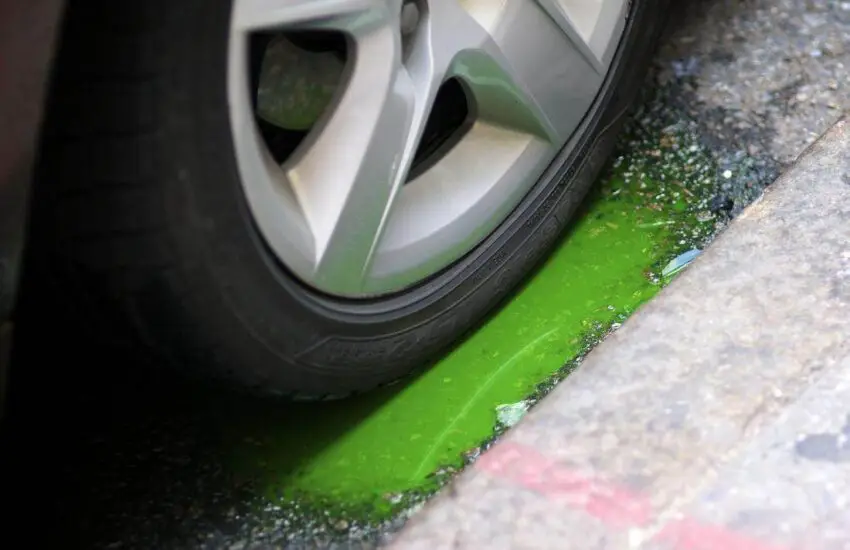
A coolant leak is an undesirable situation that can haunt you. Maintaining a proper coolant level becomes essential when it comes to keeping your engine cool. That’s why it becomes crucial to detect and repair a coolant leak as quickly as possible.
If a coolant leak from the bottom of the car is a situation you are currently facing, a complete read would be beneficial.
Coolant Leak from the Bottom of the Car: The 3 Main Locations to Check
When your coolant level starts to drop, you initially won’t notice any change. As soon as the coolant levels become too low, the engine gradually begins to overheat.
It’s the car components that then start to be prone to damage. That’s why repairing an antifreeze leak is a task you cannot ignore.
1. Hoses
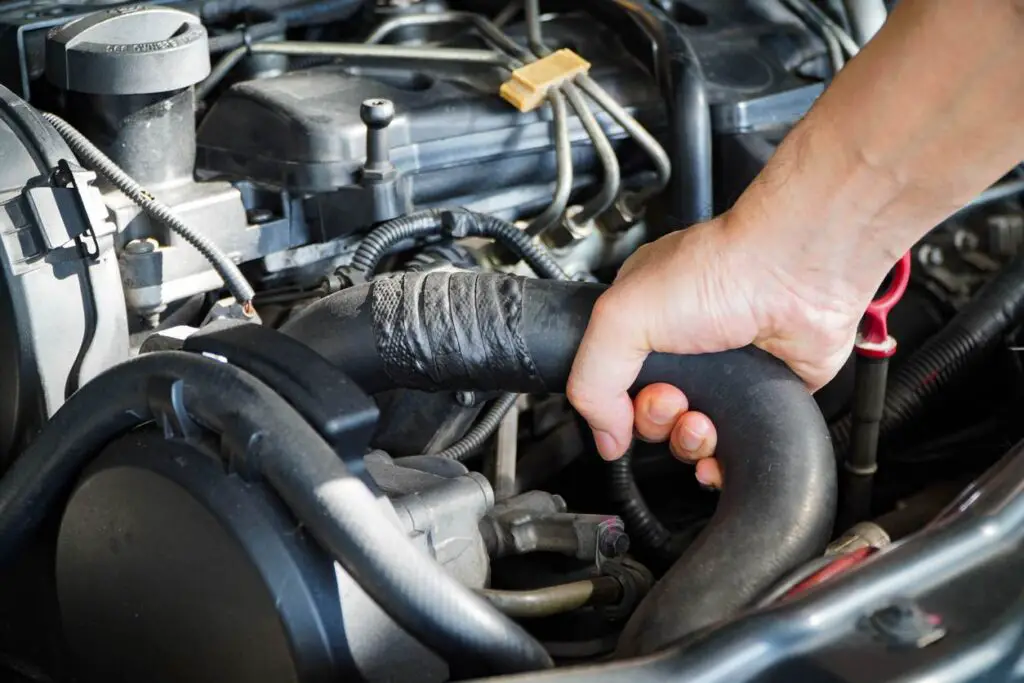
A car’s cooling system has at least four hoses, or rightfully, the fluid hoses. The hoses are installed in such a way that they carry the coolant back and forth to the radiator.
Over time or due to immense heat, it can happen that these hoses crack. Cracks can further lead to the development of leak points.
When coolant is leaking from the bottom of the car, it could be due to worn hoses. Visit a mechanic for hose and fitting replacement so that proper coolant levels can be maintained.
2. The Radiator Cap
A bad radiator cap is another thing to look for when you notice a coolant leak from the bottom of the car.
Whenever the coolant heated up, it would overflow from the radiator end. The radiator operates on the principle of pressure, and this pressure is stabilized using a cap.
When the cap is not properly fitted, pressure will not build up, leading to a loss of coolant.
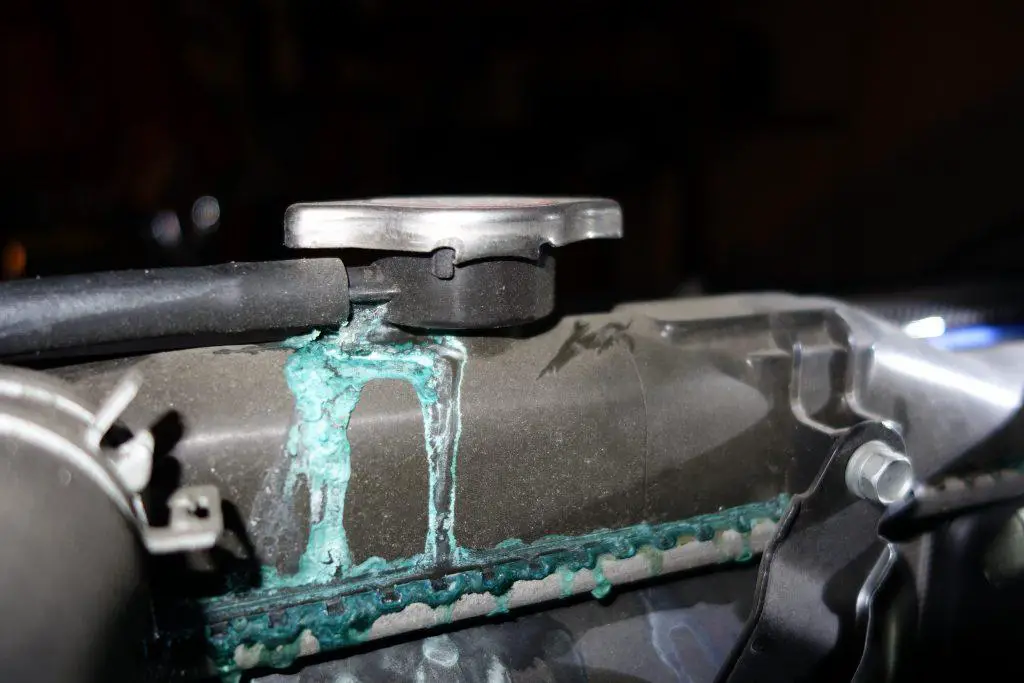
Pressure needs to be checked when diagnosing the reason for the leak. You can do this either by going through the car’s user manual or by visiting an automotive expert. You can also refer to the maintenance tips, to know the symptoms of a faulty radiator cap.
3. The Blown Head Gasket
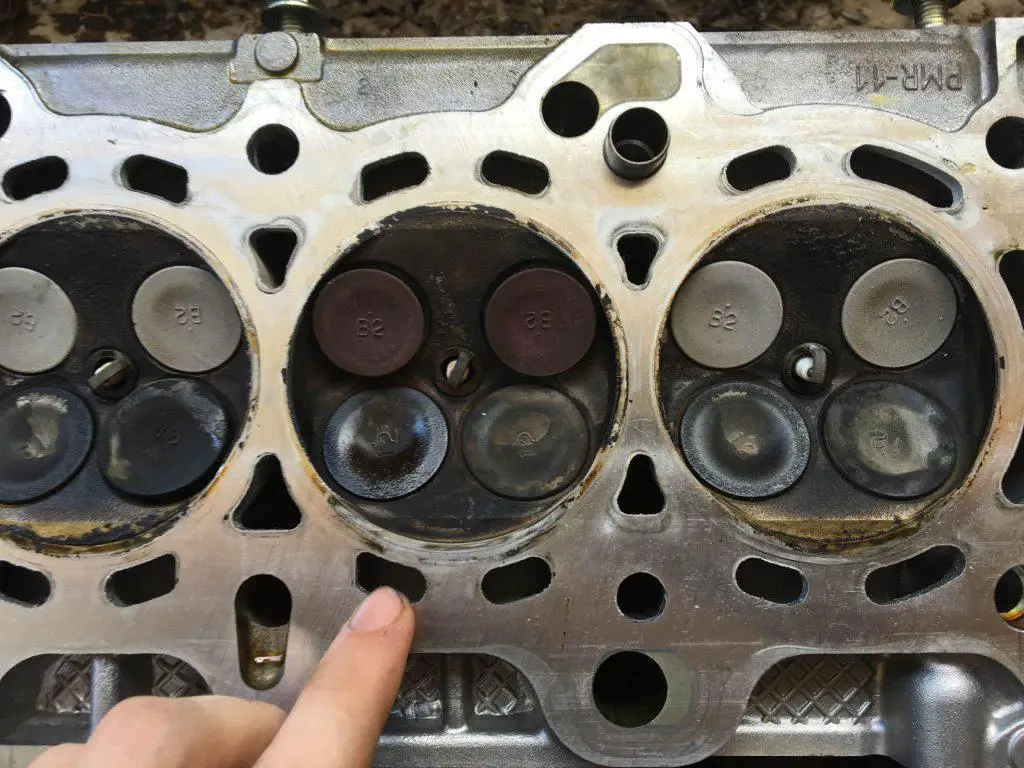
The head gasket is part of the internal combustion engine. One of the functions the head gasket is equipped with is to resist any coolant leakage.
Due to the large surface area of head gaskets and their exposure to temperature variations, they can develop leaks. If the car’s coolant is leaking from the exhaust or intake manifold, a blown head gasket could be the cause.
It’s important to know that addressing head gasket leaks should be a priority because they can enlarge over time. You should check your car’s engine temperature gauge to verify the issue. If you notice the temperature rising abnormally, a blown head gasket could be the cause of a car coolant leak.
How to Fix a Coolant Leak: A Detailed Guide
We’ve just discovered several major reasons why coolant is leaking from the bottom of the car. To effectively solve and prevent such things from happening, you can follow our following guides detailing each step.
Here is everything you will need to ensure you won’t injure yourself, lose a finger while working on your car, and keep your skin, pants, and shirt clean.
- Mechanic gloves
- Safety glasses
Thus, the supplies you will need to fix a coolant or antifreeze leak are listed below.
Tools
- Screwdriver
- Wrenches
- Tin snips
- Container/bucket for used antifreeze/coolant
Car Parts
- Coolant/Antifreeze
- Hose clamp
- Heater hoses
- Radiator
- Duct tape
- Updated thermostat
By arranging your equipment and supplies so that everything is within reach, you might avoid wasting time waiting for your handy child or four-legged assistant to bring you the sandpaper or blowtorch.
Repairing or Replacing Hose Clamps
Hose clamps, tiny metal rings equipped with a screw or another mechanism to tighten them firmly, are used to secure hoses on an automobile.
Furthermore, hose clamps can break as the automobile ages or is used in an area where rust is practically guaranteed by the annual application of de-icing salt. When they do, follow these steps to replace them.
- Let the car cool down for about 10 minutes
- For five to ten minutes, let the automobile sit and cool.
- Open the hood, then remove the radiator cap.
- If the worn or damaged hose clamp is still present, look for it.
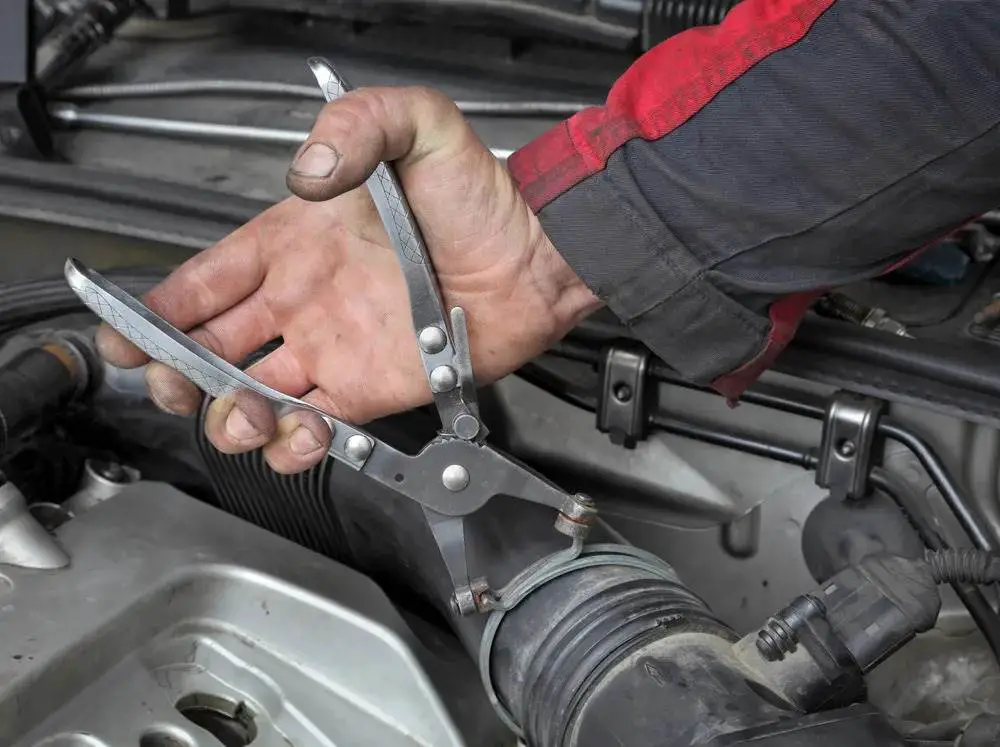
- You may need to remove some coolant or antifreeze depending on the location of the hose clamp. Drain as much fluid as necessary to reach the hose and clamp by placing the bucket under the hose.
- If you can, unscrew the broken or obsolete hose clamp; you may also need to cut it.
- Attach the new hose clamp to the freed hose.
- Reduce the tension of the hose clamp.
- Tighten the radiator cap after adding fresh fluid to the radiator.
- The automobile must be started and allowed to reach operating temperature. You can now check for leaks in the new clamp. You’re done if everything seems fine!
Replacing the Radiator Hose
The rubber and plastic tubes that supply the engine with essential fluids can crack, break, and burst as the car ages.
You will likely see a few drops of coolant hitting the ground, but they could quickly turn into a deluge. When that happens, you will need to swap them out.
- For 5 to 10 minutes, let the car sit and cool.
- Open the hood, then remove the radiator cap.
- Find the hose that is broken.
- You may need to drain some coolant or antifreeze depending on where the hose is located. Drain any necessary fluid to reach the hose into the bucket, which should be placed under the hose.
- The hose clamps on each side of the hose must be unscrewed. Examine the clamps to see if they need to be replaced.
- Both hose clamps must be slid onto the new hose and placed on each side at their proper location.
- Both hose clamps must be tightened.
- Tighten the radiator cap after adding fresh fluid to the radiator.
- The automobile must be started and allowed to reach operating temperature. The new hose can now be checked for leaks. You’re done if everything seems fine!
Replacing a Radiator
You will need to consult your handy and probably dusty owner’s manual to know exactly how to repair your particular radiator, as different vehicle manufacturers have different radiator mounts and mounting positions.
- Let the car sit and cool for 5 to 10 minutes
- Locate your radiator by lifting the hood.
- Disconnect the battery
- By loosening the hose clamp near the base of the radiator or removing the drain plug, you can drain the remaining coolant from the radiator into a bucket.
- Once the radiator is drained, cut the hoses connecting it to the rest of the engine.
- Remove the obsolete thermostat.
- Cover the openings with duct tape to cover the holes.
- You will need to detach any fans attached to the radiator in some cars.
- Remove the lower nuts and bolts of the bracket holding the blown radiator in place after locating it.
- Remove the upper nuts and bolts that hold the top of the radiator in place while supporting it in place.
- From the old radiator, remove the fan bracket.
- On the new radiator, attach the fan bracket.
- Reinstall the bolts after installing the new radiator.
- Reinstall the fans.
- The old thermostat was stuck to the hose, so remove it and install the new one.
- Each hose must be reconnected to the new radiator.
- Add fluid to the new radiator.
- Reconnect the battery.
- While the radiator cap is still removed, start the vehicle. As the car circulates the fresh fluid through the engine and radiator, you will likely need to squeeze and release the hoses to remove trapped air bubbles.
- Once the bubbles are gone, check for any potential leaks and take the vehicle for a test drive. Since the fluid can become very hot to the touch, be careful.
You succeed if everything seems to be in order and your car’s temperature remains stable.
Watch this video by Scotty Kilmer for a more visual guide on how to replace a radiator in cars!
Antifreeze Leak FAQ
- How dangerous is a car coolant leak?
While you are driving, coolant (also called antifreeze) is pumped into your car’s engine, absorbing extra heat and exchanging it with the ambient air. Therefore, an antifreeze leak could lead to engine overheating, which could severely damage the engine.
- Can a coolant leak prevent a car from running?
You might be able to drive for a limited time with a radiator leak, depending on the source of the leak.
Your car will eventually overheat due to the lack of coolant, which could damage many components in the engine bay.
So it’s a good idea to pull over and assess the problem as soon as you become aware of it.
- Is fixing a coolant leak expensive?
Radiator leak repairs typically cost between $125 and $600, with an average cost of $340. The type of repair needed, the type of radiator you have, and the materials required will all affect your final cost.
Conclusion
Whenever you notice a coolant leak from the bottom of the car, do not ignore the problem. Always stay aware of what is happening to your car. The way you maintain your car today determines its long-term lifespan.