
The Ultimate DIY Cannonball EV Challenge
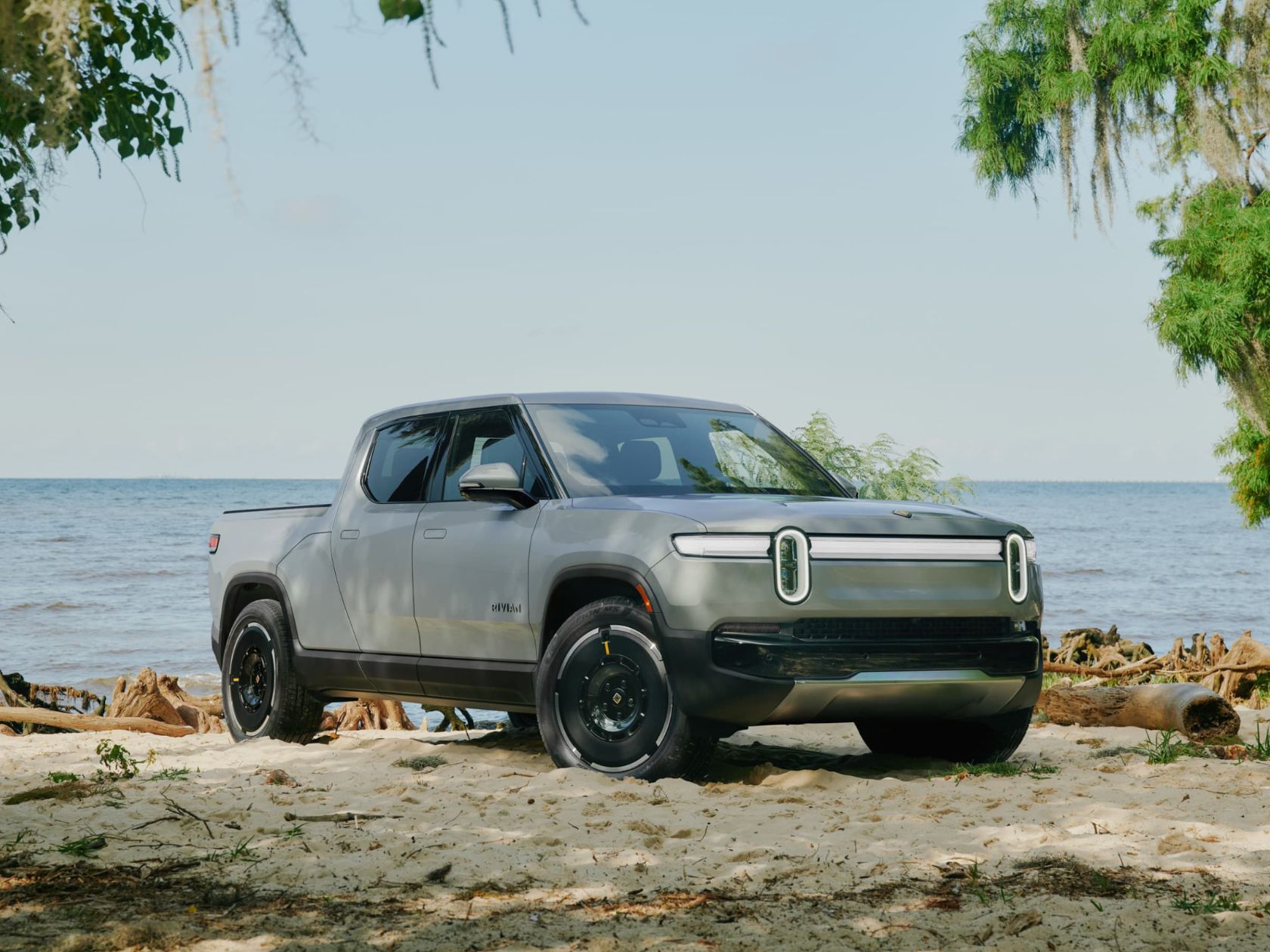
A team of American automotive enthusiasts has embarked on an audacious mission: to shatter the electric vehicle record for the infamous Cannonball Run. This coast-to-coast US dash is the ultimate test of endurance and speed. Their vehicle of choice isn’t a factory hypercar, but a heavily modified Rivian R1T pickup, transformed through radical, home-brewed engineering into a potential record-breaker.
Monstrous Battery Pack and Ice-Bath Cooling
The core of this DIY project is an unprecedented 310 kWh battery pack, far exceeding the original factory specification. This colossal energy reserve is designed to minimize charging stops, the critical factor in any long-distance EV record attempt. However, such immense power density generates significant heat, especially during sustained high-speed driving.
To tackle this thermal challenge, the team devised a remarkably ingenious, yet rudimentary, solution: an ice-cooling system. This involves circulating a coolant through the battery pack, which is then chilled by melting ice stored in a custom-built reservoir. This low-tech, high-impact approach highlights the project’s garage-built philosophy, prioritizing function and rapid cooling capacity over complex OEM systems.
The Strategy for a Cross-Country Sprint
The record attempt strategy hinges on the synergy between the huge battery capacity and the aggressive thermal management. The goal is to drive at maximum sustainable speeds, delay battery degradation from heat, and reduce time spent at charging stations. Each planned stop will not only be for electrons but also for replenishing the ice supply, a unique pit crew operation in the world of modern endurance racing.
This project pushes the boundaries of what is possible with electric vehicle modification. It demonstrates how determined innovators can rethink energy storage and thermal dynamics outside traditional automotive frameworks. The success of this ice-cooled Rivian could inspire new perspectives on EV performance and endurance, proving that sometimes the most creative solutions are also the simplest.