A whining noise during acceleration, like other abnormal car noises, usually indicates a worn part or a mechanical issue.
Common whining noises often come from:
- Engine accessories
- Tires
- Transmission
- Differential
The following sections guide you through the most common noise sources in a vehicle so you know where to look.
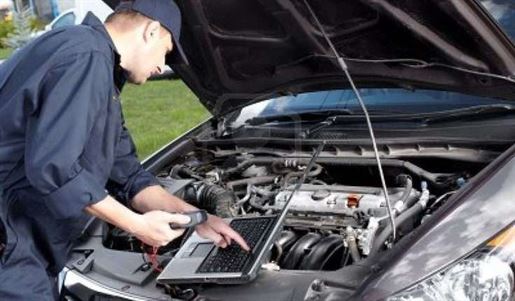
You can use a mechanic’s stethoscope to assist in your diagnosis. The stethoscope amplifies sounds when you touch the probe near or on suspected components.
In this article
1. Use your vehicle’s repair manual
2. Troubleshooting whining noises
3. Tire noise
4. Engine whining noises
5. Transmission noise
6. Ball joints
7. Differential issues
8. U-joint issues
9. Preventing whining noises
10. Explore more car sounds

1. Use your vehicle’s repair manual
A vehicle repair manual can help you identify the parts involved in abnormal noises.
It tells you how to troubleshoot suspected parts and replace faulty components.
Additionally, you can also use your repair manual for other common projects such as:
- Inspecting and replacing a starter
- Checking and changing a worn drive belt
- Replacing spark plugs and wires
- Checking and replacing coolant
- Diagnosing a faulty alternator and system
- Installing new brake pads
- Troubleshooting a thermostat
- Diagnosing, inspecting, and replacing your battery
and other common tasks.
To assist you with your diagnostic and repair projects, the repair manual includes:
- Photographs
- Images
- System descriptions
- Diagnostic and troubleshooting guides
- Fastener torque specifications
- Maintenance schedule
- Electrical diagrams
You can purchase an inexpensive manual for your vehicle’s make and model via Amazon.
Recommended
2. Troubleshooting whining noises
Sometimes, locating the source of whining noises requires skill and know-how.
However, common whining or squealing noises are due to low fluid levels; a leak; or a loose, worn, or damaged belt.
Follow the guidelines below during your diagnosis.
Gather information about the noise:
- Does it happen at certain speeds?
- When the engine is hot?
- When making a turn?
- Does the noise come from the engine, the rear, or one side of the vehicle?
Perform a visual inspection:
Depending on the part of the vehicle you hear the sound coming from, you may need to inspect the tires, wheels, or under the hood.
- You may need to lift a tire off the ground to inspect it or remove the tire to inspect the wheel assembly.
- If the noise comes from the engine, open the hood and look around with the engine idling. If necessary, have an assistant increase the engine speed.
- Pay close attention to pulleys and belts. Look for wobbling or vibrating components and signs of wear on the belts.
Use a stethoscope:
A mechanic’s stethoscope helps amplify sounds on suspected components. Sometimes, you can also use a section of vacuum hose or a long screwdriver for this.
- If the noise occurs when increasing engine speed, have an assistant press the accelerator to troubleshoot components under the hood.
- Touch the stethoscope probe around suspected components to locate the source. If you’re using a hose, place one end against your ear and probe the components with the other end.
- When the sound becomes loud, you will have located the area or component causing the issue.
Use your vehicle’s repair manual to further troubleshoot components you suspect are causing the noise.
What to look for:
Lack of proper lubrication is the most common cause of abnormal noises.
So be sure to check fluid levels and components that require grease like wheel bearings.
Also be attentive to:
- Loose accessories
- Belts without proper tension
- Pulleys and tensioners that cannot spin freely
- Cracked parts
- Loose bolts
- Part rubbing against a pulley or belt
2.1 Dealing with leaks
If your issue is a small leak, you can fix it yourself. However, if you’re working on a tight budget, you might want to try a temporary solution with a leak-stop product.
Check your local auto parts store or online for a quality product you might want to try.
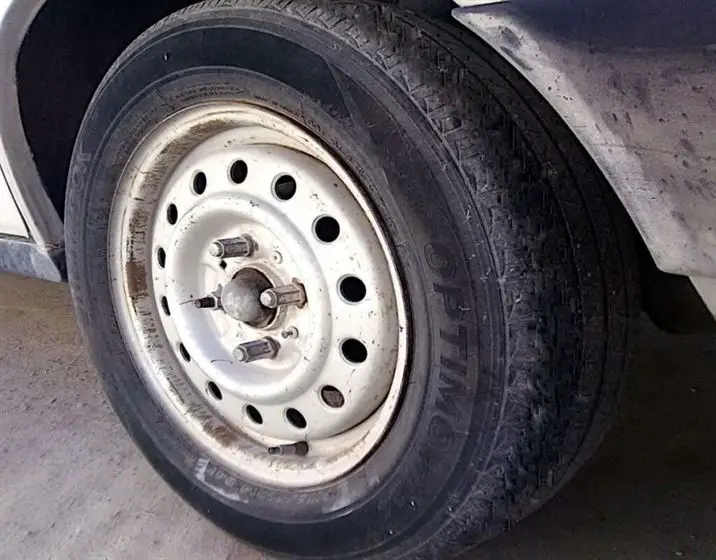
3. Tire noise
Tires can also be a source of all kinds of noises, including whining or squealing.
Often, a tire makes this kind of high-pitched noise during turns.
Check:
- Low air pressure
- Poor wheel alignment
- Excessive load
- Use your mechanic’s stethoscope to check the water pump and tensioner. If you need to replace the pump, also change the tensioner and belt.
- Check the various accessory pulleys around the engine. Even a harmonic balancer, on some models, can cause issues.
- Consult your vehicle’s repair manual.
- Check the fluid level and condition. If it’s not clear (contaminated) or the level is lower than expected, there might be a leak in the system.
- Air in the system
- Worn bearing
- Loose or glazed belt
- Loose pulley
- Faulty or loose belt
- Worn or low transmission fluid
- Clogged filter
- Faulty bearings
- Faulty pump or torque converter
- Bad gears
- Low fluid level
- Worn or faulty bearings
- Worn or faulty gears
- Clicking or whining noise when entering a driveway
- Too much free play in the steering wheel
- The vehicle wanders on the road
- Steering wheel vibration
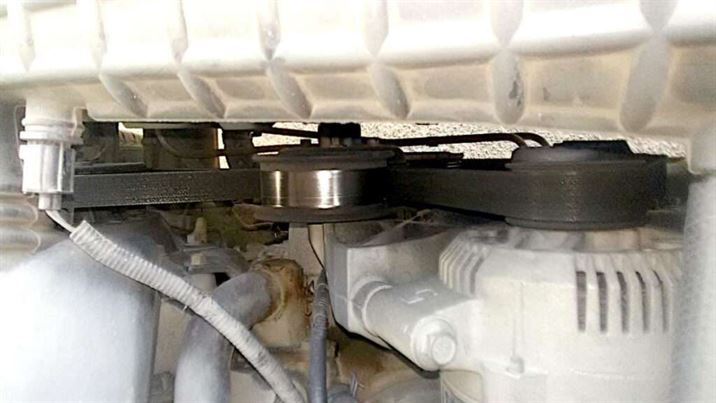
4. Engine whining noises
Worn or damaged components under the hood can cause whining noises.
Alternator: Most likely, a worn or damaged bearing. Inspect the alternator with your stethoscope. Over time, a bad bearing can lead to electrical issues. You might notice this when using the air conditioning or starting the vehicle.
Drive belt or serpentine belt: Inspect the drive belt or serpentine belt. Look for signs like a shiny underside, improper tension, cracks, or missing ribs.
Water pump: The two most common symptoms of a faulty water pump are leaks and whining or squealing.
Pulleys: A faulty bearing in a pulley can cause a whining noise or make the belt slip and whine.
Power steering: Your vehicle’s steering system helps you maneuver and change direction while driving.
Most vehicles on the road use some form of conventional power assistance in the form of a hydraulic system that uses a special fluid to operate.
Contaminated or leaking power steering fluid can also cause a whining noise, especially during turns.
The leak could be from the high-pressure hose or a faulty internal rack seal. Besides a whining noise, you might feel the vehicle is harder to steer.
Additionally, a power steering pump can become noisy due to:
4.1 Radio interference
Although not as common as before, radio interference or alternator whine can also cause a whining noise.
During interference, you might hear the whine increase with engine speed.
The whine comes from voltage fluctuations produced by the alternator on the power line leading to the radio.
You can eliminate the noise by installing a filter capacitor connected to ground at the alternator’s output.
Noises under the hood are very common. In the following video, you might get some tips you can use if you’re facing an accessory noise around the engine.
Diagnostic Tools and Safety
When using a mechanic’s stethoscope or a similar tool to diagnose noises under the hood, keep your hands and tools away from rotating and hot components.
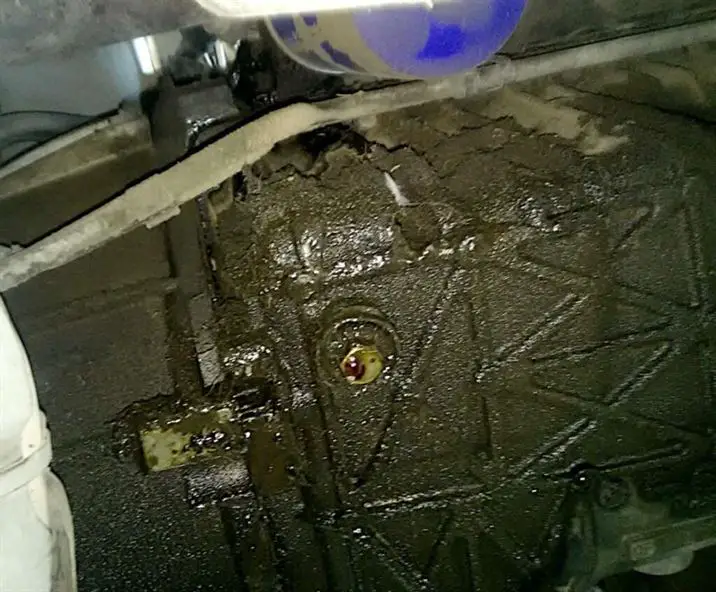
5. Transmission noise
Automatic transmission noise is difficult to diagnose.
However, if you’ve pinpointed a noise coming from the transmission, you might be facing:
Additionally, manual transmissions are rich in sounds when one or more components of the assembly malfunction.
The most common sources of whining noises are due to:
If necessary, consult a reliable transmission shop.
Be sure to watch the next video. It shows you how an automotive technician proceeds to diagnose a whining noise in a transmission.
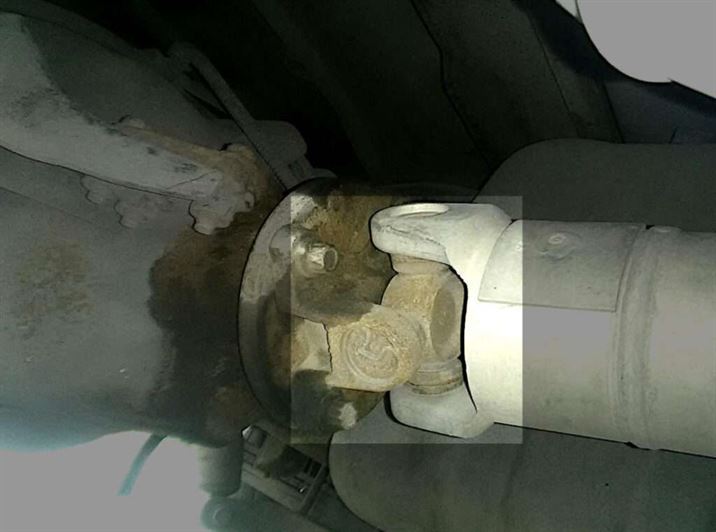
6. Ball joints
Ball joints can also become noisy when worn or damaged.
Often, you’ll notice one or more symptoms when this happens:
If necessary, replace the upper and lower ball joints. Consult your vehicle’s repair manual or take your vehicle to the shop for inspection.
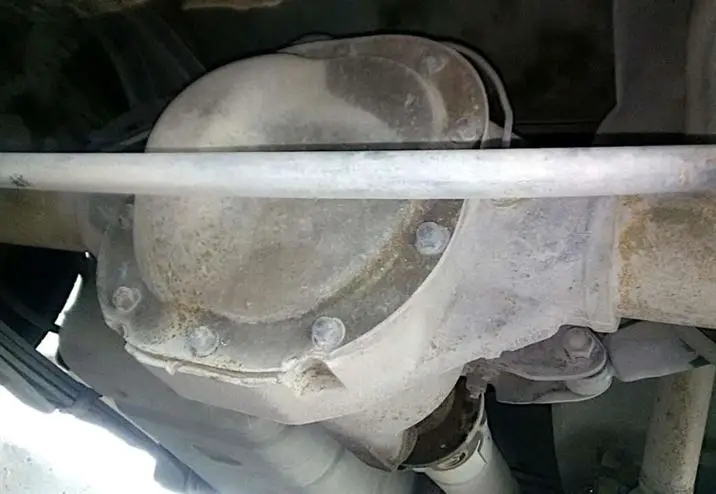
7. Differential issues
Often, differential symptoms manifest as grinding or whining.
A grinding noise in a rear differential usually indicates a faulty axle bearing. You’ll hear this noise when turning.
A whining noise usually indicates faulty drive pinion bearings. You’ll hear this noise when driving on the road.
Consult your vehicle’s repair manual to troubleshoot the differential.
Preventing Serious Accidents
Whenever you need to go under your vehicle, support it with jack stands and chock the wheels remaining on the ground to prevent serious accidents.
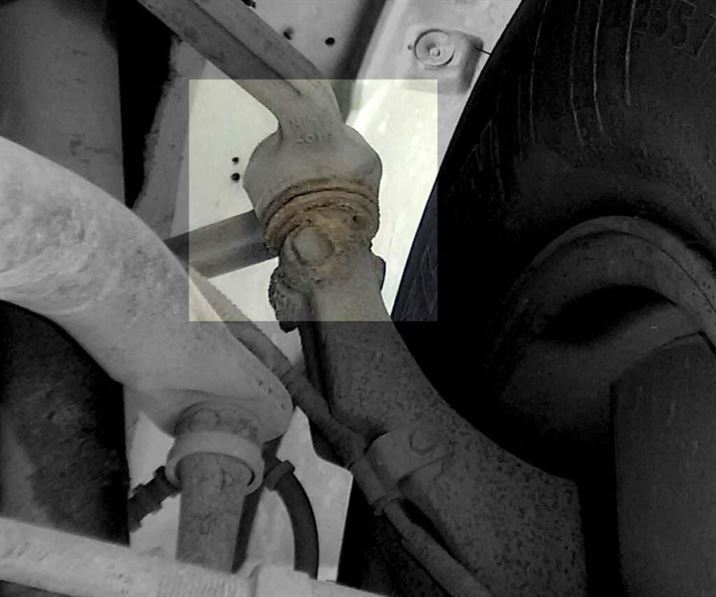
8. U-joint issues
Universal joint issues are more common on pickup trucks.
If you hear a whining or grinding-type noise when driving in reverse and the noise gets louder as you accelerate, you might be dealing with worn universal joints.
Inspect it and replace it if necessary. Consult your vehicle’s repair manual.