
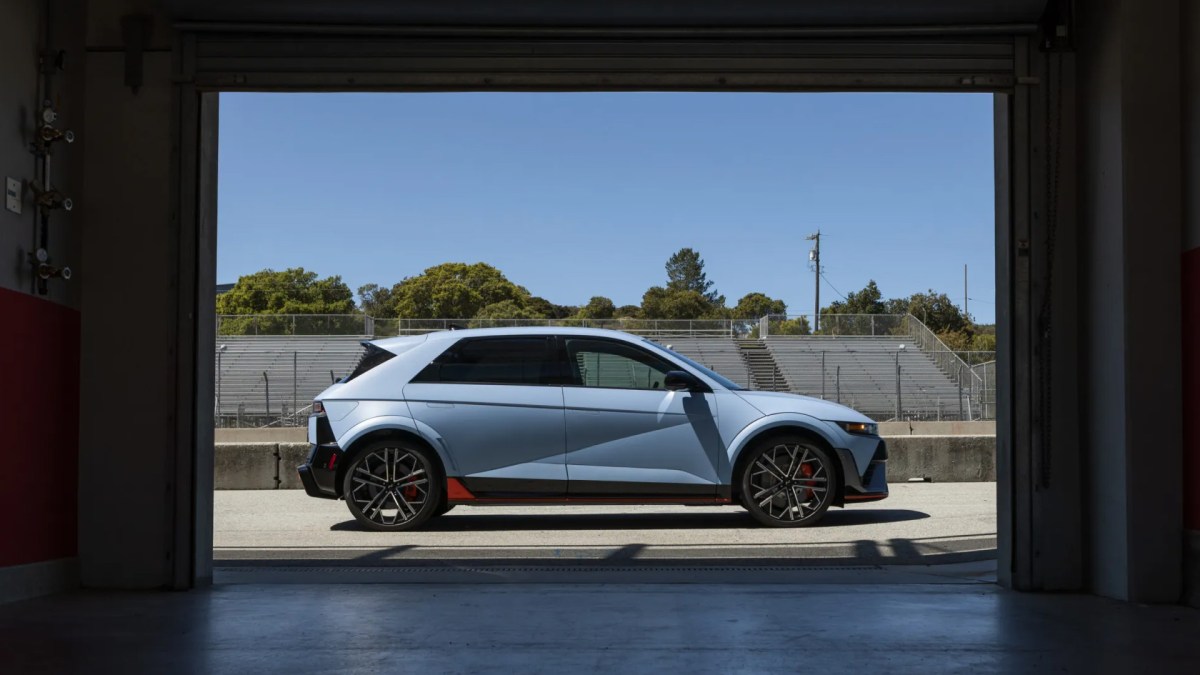
The Digital Brake Pad Challenge
Owners of the 2025 Hyundai Ioniq 5 N are encountering an unexpected obstacle when attempting basic maintenance: changing brake pads now requires specialized computer equipment. This situation highlights the evolving relationship between drivers and their vehicles in an increasingly digital automotive landscape.
Why Computer Access Is Necessary
Modern high-performance electric vehicles like the Ioniq 5 N feature sophisticated brake-by-wire systems that integrate regenerative braking with traditional friction brakes. These systems require electronic recalibration after pad replacement to maintain optimal performance and safety standards. The vehicle’s computer must recognize the new pad thickness and reset wear indicators to ensure proper brake force distribution between regenerative and mechanical braking systems.
Impact on Vehicle Ownership
This requirement fundamentally changes the traditional DIY maintenance model that many car enthusiasts value. Previously, brake pad replacement was considered one of the more accessible maintenance procedures for mechanically inclined owners. The shift toward computerized maintenance procedures represents a broader industry trend where manufacturers are integrating more electronic controls into basic vehicle functions.
Technical Requirements Explained
The specialized equipment needed includes proprietary software and interface hardware that can communicate with the vehicle’s braking control module. This system verifies that genuine parts are installed and ensures proper system calibration. Without this electronic handshake, the vehicle may not recognize the new brake components, potentially triggering warning lights or compromising brake performance.
As vehicles become more technologically advanced, traditional maintenance procedures continue to evolve. The Ioniq 5 N’s brake system demonstrates how performance optimization and safety considerations are driving these changes in modern automotive design.