

Today, we will learn how to test the wheel speed sensor when you suspect it is malfunctioning, so that smooth driving doesn’t come to a halt.
A wheel speed sensor, as the name suggests, detects the speed of a wheel. The sensor reads the total number of wheel rotations and informs the driver. Therefore, it can be said to function like a tachometer.
There is a simple and quick method to perform the speed sensor test.
How to Test the Wheel Speed Sensor: Avoid Penalties
It is essential to monitor the speed sensor because it allows the driver to know the speed. This way, they drive in a controlled manner. In the United States, you can easily be penalized with speeding tickets.
These tickets affect your overall driving record, which can cause you trouble when choosing a job or insurance for your vehicle.
We will discuss the wheel speed sensor in more detail: to determine if the sensor is faulty or not, we use the stator ring. The faster the stator ring spins, the greater the voltage generated.
Car owners can connect a code tool to pinpoint the sensor. They can also check them manually.
When the speed sensor is working correctly, you know the driving speed so you can control it accordingly. This is actually the most important thing every driver wants. Let’s move on to the method of testing a speed sensor.
Preparing the Car
When you are ready to test the speed sensor, you must first prepare your car. Place your vehicle on level ground and turn off the engine.
To proceed further with “how to test the wheel speed sensor“, use the transmission in park settings with the parking brake.
You need to use a jack to lift your car in order to remove the tire for part replacement and testing purposes. This allows for testing the sensor since your vehicle is in the correct position. Keep all tools within reach so you don’t have to rush to grab them.
Here are the tools you need:
- Your car’s manual
- Floor jack
- Tire iron
- Assistant
- Voltmeter
- Electrical cable
- Torque wrench

Continuing the Steps – Removing the Connector
Access the wheel speed sensor once your car is raised on the jack and you have removed the wheel. There, you need to locate the electrical connector.
In most cases, it is located near the wheel frame. New car owners are often confused by other cable harnesses connected to the wheel, such as the brake pad wear sensor.
Disconnect the sensor wire by unlocking the safety latch and gently remove it. This will expose the sensor terminals you will need for testing purposes. Alongside these terminals, you can also see the voltmeter probes.
Working with the Voltmeter
The terminals you have exposed will be used with the voltmeter. You see these probes in the voltmeter; these probes need to be attached to the sensor terminals.
You must use the alligator clips provided with the meter to securely fasten the sensor.
When connecting the sensor terminals for the wheel speed sensor test, ensure that the probes do not touch each other. Otherwise, the sensor will not be able to provide correct results.
A voltmeter with handheld probes is most likely to cause fluctuating readings. Avoid having these probes if you want accurate readings. This will overall make testing quite easy.
When you see that the probes and terminals are well connected, it’s time to activate the alternating voltage. You can immediately see the readings on the meter going up and down. This indicates that the sensor is ready to be tested.

Finally Moving to the Test
Now, we finally move on to the progression of the test. We understand that the wheel or hub creates a voltage by observing the voltmeter’s rotation, as it depends on the speed.
To get the readings on the voltmeter, you need to spin this wheel or the hub. The readings vary depending on the wheel’s speed. Consequently, it shows the meter readings dropping to zero once the wheel stops.
If you can see the values displayed on the meter when you spin the wheel, it indicates that the sensor is working. Conversely, if no value appears on the meter, regardless of the spinning, it indicates that the sensor is faulty and you should consider replacing it.
Tip: when you cannot find the sensor wire connector, consult the driver’s manual provided with your car.
Replacing the Wheel Speed Sensor
Once you have determined that there are no readings in the voltmeter, it means you need to replace the speed sensor. Access the nuts or clips holding the sensor and unscrew them. This will detach the sensor from the vehicle so you can remove it.
Before installing the new sensor, inspect the area and look for any signs of rust. Take sandpaper and scrape the surface where you will place the new sensor.
Once the new sensor is in place, tighten it using the provided screws or clips. Test the sensor using the voltmeter, and it should now show you the measured values when you spin the wheel.
If you removed the brake pads and discs to get a clear view of the speed sensor, put them back as well.

In this way, you must put everything back in order or assemble the parts correctly. Once you are done with the brake pads and sensor parts, it’s about putting those wheels back on the hubs. Adjust them all perfectly and tighten using the wheel nuts with a ratchet and socket.
Use the jack again and put the vehicle back in place using the jack stand. Lower the vehicle until it reaches the ground, in the default position.
It’s time to tighten the wheel or use those wheel nuts to mount the wheel onto the vehicle. Use the nuts and tighten them by hand. Once they seem well fitted, use a torque wrench.
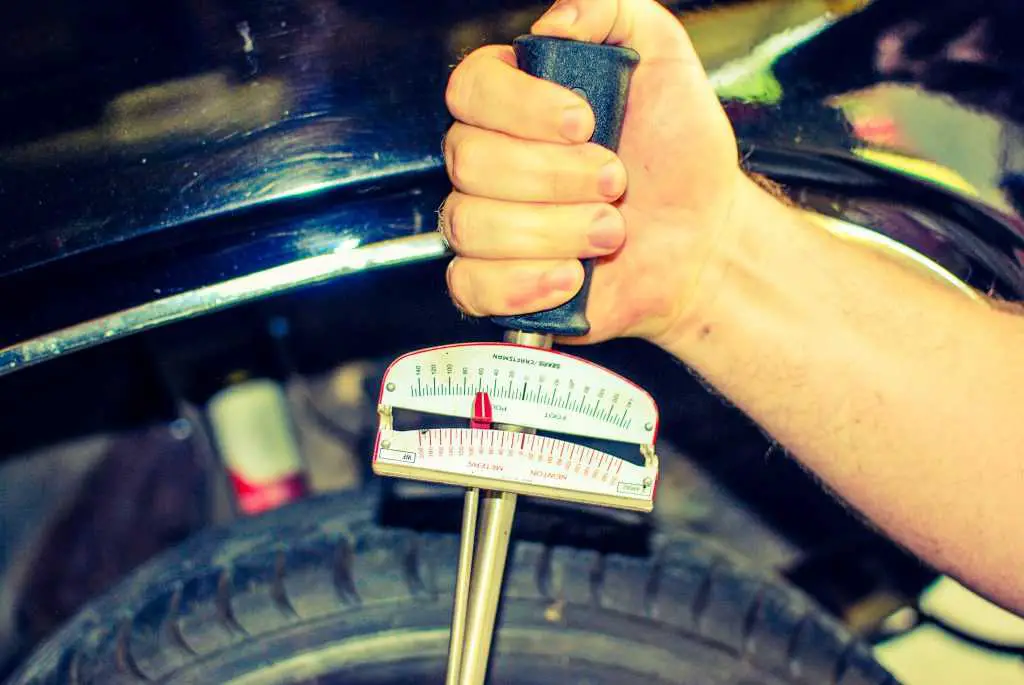
The torque wrench must be set according to your vehicle’s torque capacity. Use the manual to find your car’s torque range and set it accordingly.
Now, go to those nuts and secure them safely using the torque wrench. You should be finished in a minute or two!
Conclusion
In the final step, you are supposed to test the vehicle to ensure everything is working correctly.
Also observe the wheel speed sensor or if you are informed of the vehicle’s current speed. And that’s how to test the wheel speed sensor and replace it if the sensor fails!