
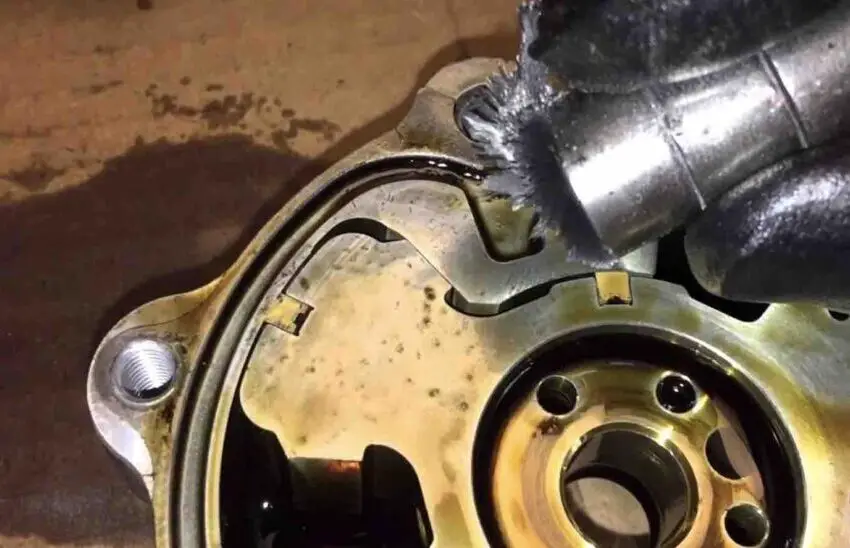
In the field of automotive innovation, this is among the notable advancements. Indeed, it enables adequate oil supply and allows the engine to run and function properly. Note that Bank 1 is known as the engine area with cylinder number 1. But be sure to verify this according to the vehicle manufacturer’s specifications. You can find the intake valve control solenoid inside the intake manifold side of the cylinder head.
Like all other parts of the engine system, the components of a VVT or VVL system can fail over time. Whenever the intake valve control solenoid is not properly lubricated, it will cause many disruptions and can damage the timing chain and gear.
Thus, when these issues occur, many symptoms can be the cause of the problem. Code P0026 is one of many diagnostic trouble codes that can indicate a problem with the operation of these systems has occurred.
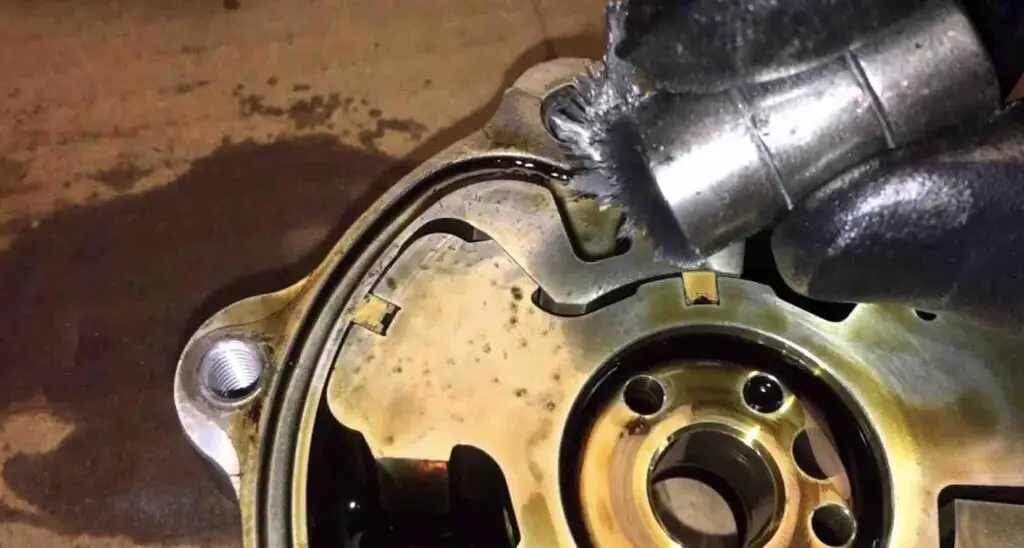
Symptoms of a Faulty VVT Solenoid: What Happens When the VVT Solenoid Becomes Faulty?
The VVT solenoid is electrically powered as it is signaled by the ECU. Thus, whenever it goes wrong, the VVT solenoid may not operate. However, the solenoid itself can sometimes have an internal electrical malfunction and may start to operate intermittently or not at all.
- The Check Engine light will illuminate
Your vehicle’s engine control unit will immediately warn you when it detects faults in engine performance. Indeed, it monitors all vehicle components. This means that if the VVT fails, it will bother you all the time with the Check Engine light on.
- Dirty engine oil
Having dirty engine oil is one of the things that happens when the variable valve timing solenoid fails. The variable timing solenoid works well with clean engine oil. Whenever the oil is dirty, the viscosity disappears and when this happens, the VVT solenoid is clogged, which will also affect the gear and chain.
- Reduced energy efficiency
The function of the variable valve timing solenoid is to control whenever the valves open to economically maximize fuel. Thus, if you notice a malfunction, it could lead to decreased engine performance and wasted fuel. This means that whenever you notice a reduction in fuel economy, your VVT system is bad.
- Rough engine idle
Whenever you observe that the system is not functioning correctly, it is possible that more oil is passing to the VVT. When the engine speed fluctuates, it simply means you are experiencing an irregular engine idle. It should never be ignored, as it could prematurely wear out your vehicle’s engine.
How to Fix Codes P0021 and P0026
Code P0021 is the generic OBD-II code that indicates your vehicle’s Engine Control Module (ECM) has discovered that the intake camshaft for bank 2 is more advanced than what the ECM requested. However, this over-advancement could occur during a slowdown or an advance in camshaft timing.
To fix code P0021, follow the procedures below:
Method 1
- The first is to visually inspect for damaged wiring or connectors.
- Find out if the engine is sludgy and if the engine contains fully clean engine oil with the correct viscosity.
- Now, scan and note the codes, then view the freeze frame data to know when the code was set.
- You can now clear the OBD-II trouble codes and retest your car to see if code P0021 returns
- You can then perform the manufacturer’s pinpoint tests for code P0021
Please note that the manufacturer’s pinpoint test differs depending on engine types and model years.
Method 2
- Clear the Check Engine light codes and perform road tests to verify the code.
- You need to change the oil and filter to get the oil viscosity suitable for the engine specifications.
- Be sure to repair or replace the camshaft oil control valve wiring for the intake camshaft of bank 2.
- Replace the camshaft oil control valve for the intake camshaft of bank 2
- Then check the timing chain and camshaft
Please note that engine oil passes through the camshafts; indeed, the oil control valves are small in size and only need the manufacturer’s recommended oil viscosity to be used. When oil accumulates or you put oil with higher viscosity inside the engine, it could prevent the camshaft VVT from functioning as desired.
How to Fix P0026?
Code P0026 happens to be the generic OBD-II code that indicates the Engine Control Module (ECM) noticed that the variable valve lift solenoid for the intake valves of bank 1 is not engaging or is taking too long to engage.
To fix code P0026, follow these procedures:
- You must first visually check the electrical connections and wiring harness to the intake valve solenoid for bank 1.
- Next, you need to clear the codes and check if the code will return before performing further tests.
- Now install the test intake valve control solenoid to be properly diagnosed and follow the pinpoint test to see if the valves will change during the test
- Make sure to turn off the test solenoid and the intake valves must go to the high position.
- Then, command the test solenoid and the intake valves must go to the low position.
- Be sure to follow the manufacturer-specific pinpoint tests for further diagnosis.
Step 2
- Clear the P0026 trouble codes and perform a road test to try to verify the failure
- Then test the installed solenoid to see if the valves are working correctly and replace the intake lift solenoid.
- Repair or replace the wiring or connection to the intake lift solenoid
- Finally, repair the ECM connector or replace the ECM
What Happens When the VVT Solenoid Fails?
The VVT solenoid is electrically powered as it is signaled by the ECU. Thus, whenever it goes wrong, the VVT solenoid may not operate. However, the solenoid itself can sometimes have an internal electrical malfunction and may start to operate intermittently or not at all.
1. Check Engine Light Illuminates
Your vehicle’s engine control unit will immediately warn you when it detects faults in engine performance. Indeed, it monitors all vehicle components. This means that if the VVT fails, it will bother you all the time with the Check Engine light on.
2. Dirty Engine Oil
Having dirty engine oil is one of the things that happens when the variable valve timing solenoid fails. The variable timing solenoid works well with clean engine oil. Whenever the oil is dirty, the viscosity disappears and when this happens, the VVT solenoid is clogged, which will also affect the gear and chain.
3. Reduced Energy Efficiency
The function of the variable valve timing solenoid is to control whenever the valves open to economically maximize fuel. Thus, if you notice a malfunction, it could lead to decreased engine performance and wasted fuel. This means that whenever you notice a reduction in fuel economy, your VVT system is bad.
4. Irregular Engine Idle
Whenever you observe that the system is not functioning correctly, it is possible that more oil is passing to the VVT. When the engine speed fluctuates, it simply means you are experiencing an irregular engine idle. It should never be ignored, as it could prematurely wear out your vehicle’s engine.
How Long Does It Take to Replace the VVT Solenoid?
The variable valve timing solenoid can become faulty over time and will need to be replaced. But how long does it take to replace the VVT solenoid? It can depend on some car models, sometimes you might end up disassembling half the engine. However, replacing the VVT solenoid can be done in 5 minutes.
Where is the Variable Timing Solenoid Located?
The VVT, also known as the variable valve timing solenoid, is what controls the oil flow to control what happens on the sprocket, which changes the camshaft position. However, you can locate the variable valve timing solenoid at the front of the engine. It is normally placed near the front of the valve cover.
Will Seafoam Clean the VVT Solenoid?
Many modern VVT solenoid systems use engine oil pressure (hydraulic) and some type of electronic solenoid to command changes in lift, valve timing, and/or duration. Low oil pressure or low engine oil level proves to be one of the most common problems you will encounter when diagnosing a faulty VVT system. Therefore, cleaning the VVT is vital.
So, will Seafoam clean the VVT solenoid? The answer is yes. Cleaning the VVT solenoid with Sea Foam will work perfectly, as it helps dissolve and liquefy oil deposits that become too large and too sticky to be drained.
Seafoam can be used in gasoline or diesel crankcases to safely clean and quiet noisy lifters and actuators, clean chain tensioners, oil control rings, VVT solenoids, and clean oil passages.
How Do I Know If My VCT Solenoid Is Faulty?
Different signs can occur to indicate that your vehicle’s VCT solenoid is worn out or completely broken. Note that these signs can even go as far as causing your engine to fail. So minimize the risk of these situations completely damaging your vehicle. Below are some warning signs you will see to know that your VCT solenoid is faulty.
- Check Engine Light
The vehicle’s engine control unit controls many modern cars available on the market today; almost all engine components are monitored by the ECU. The engine control unit, also known as the ECU, is a type of electronic control module that helps control a series of actuators on an internal combustion engine. This is what ensures the best engine performance and offers high-performance capabilities.
Whenever one of your engine components starts to fail, the ECU will store a specific trouble code that can analyze the system and know what, where, why, and how this problem exists. When such a trouble code occurs, it will send a signal to the driver via the dashboard indicating that something is wrong, which will illuminate a light via your dashboard. Although one of the most common lights that can illuminate when a VCT solenoid is no longer functioning correctly is the Check Engine light.
However, the engine light normally has two different stages to display a signal to drivers. The first is a steady light, which just indicates a minor problem, and the second is a flashing one, which tells you to stop driving immediately or go to the nearest mechanic as soon as possible.
Whenever your Check Engine light is on, it simply means something is wrong with the vehicle. Although sometimes it can be as minor as a loose gas cap after filling up your tank.
- Dirty Engine Oil
When your engine oil is impure and filled with debris, it could cause problems for the VCT solenoid, as this component works best when the engine oil is pure, clean, without viscosity loss, or free of debris. Engine oil clogged with debris can block the VCT solenoid’s passage to the chain and gear.
This means that if you do not change the engine oil regularly and do not perform regular maintenance, it could damage the chain, VCT solenoid, and gear drive at the same time. But how important is engine oil?
Engine oil is what ensures proper lubrication of the internal engine components that are likely to undergo excessive friction, overheating, and rubbing against each other during operation. This lubrication helps protect the moving components and prevents them from excessive wear. Note that without engine oil, the metal-on-metal contact of your vehicle would damage the engine to the extent that it would have no cure, leading to costly and extensive replacement.
Another reason why engine oil is important for your vehicle is that it helps cool components due to overheating. Much of the necessary cooling is provided by the cooling system, such as the radiator or water pump. So, how can I tell if my engine oil is low or dirty? Signs of low or dirty engine oil:
- Oil Warning Light – One common way to know when there is a low engine oil level is the flashing of an oil warning light on the dashboard. This indicates a problem you need to address as soon as possible. This light informs you that you have a low engine oil level in your engine to operate and propel your car to drive on the road.
- Knocking Noises – Another sign of low and dirty engine oil you will notice is knocking noises and loud sounds coming from the engine. And since these noises will be noticeable by everyone in the cabin, they will be easily resolved as they are easier to recognize before the problem worsens.
- Irregular Engine Idle – Most of the time, the VCT solenoid system does not activate until the engine speed starts to operate at a higher and faster level, or when the engine is under a heavier load. This means that if your VCT solenoid system is not working well at an optimal level, or if it is malfunctioning, it can introduce additional engine strain and oil into the VCT gears.
Note that a faulty VCT solenoid has the ability to cause rough engine idling, especially when the engine speed begins to fluctuate upon system startup. However, when this problem is not resolved as soon as possible, more engine components can wear out prematurely, which could lead to a rapid failure of additional parts.
- Reduced Fuel Economy and Efficiency
The main function of the VCT is to ensure that the valves are opened and closed at the right time. This is what helps maximize engine performance and minimize unnecessary fuel consumption, thereby increasing energy efficiency and miles per gallon. This means, therefore, that whenever the VCT solenoid is not functioning perfectly, the entire car system would start to operate incorrectly. When this happens, the intake and exhaust valves open and close at incorrect times, leading to a drop in fuel economy.
Conclusion
Variable valve timing, or VVT as it is commonly called, is one of the most important innovations in automotive history. Modern cars are equipped with Variable Valve Timing (VVT) systems. This is used to increase fuel economy and improve performance by altering the valve lift event. VVT enables proper oil supply. This allows the engine to deliver exceptional fuel economy and performance.
The VVT solenoid can, like all engine components, eventually fail. The intake valve control solenoid must be properly lubricated. If it is not, it can cause many disruptions, as well as damage to the timing chain or gear. P0026 is one of many diagnostic trouble codes that can indicate a problem with the system’s operation.
You can fix the P0026 trouble code. I was able to show you how. If you cannot resolve the issue, you can call a professional for help.