
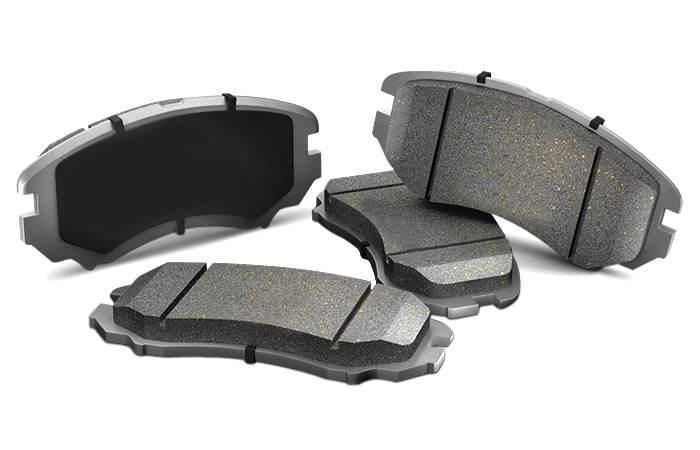
Brake pads are a seemingly simple but complex mechanism. When a car brakes, the brake disc and pads have a direct effect on the car, which can help your car stop at the right time to avoid unnecessary accidents. Among them, if the quality of the brake pads is poor, it will directly affect the performance of the brake. This is the reason why you must choose good brake pads for your car to ensure braking efficiency. Drivers can be confident on every trip when the brakes work smoothly and effectively.
Anyone who owns a car knows that brake pads are one of the most wear-resistant parts. So in addition to replacing them at the right time, you need to know how to choose the pads that best suit your car.
Dangers of Fake and Poor Quality Brake Pads
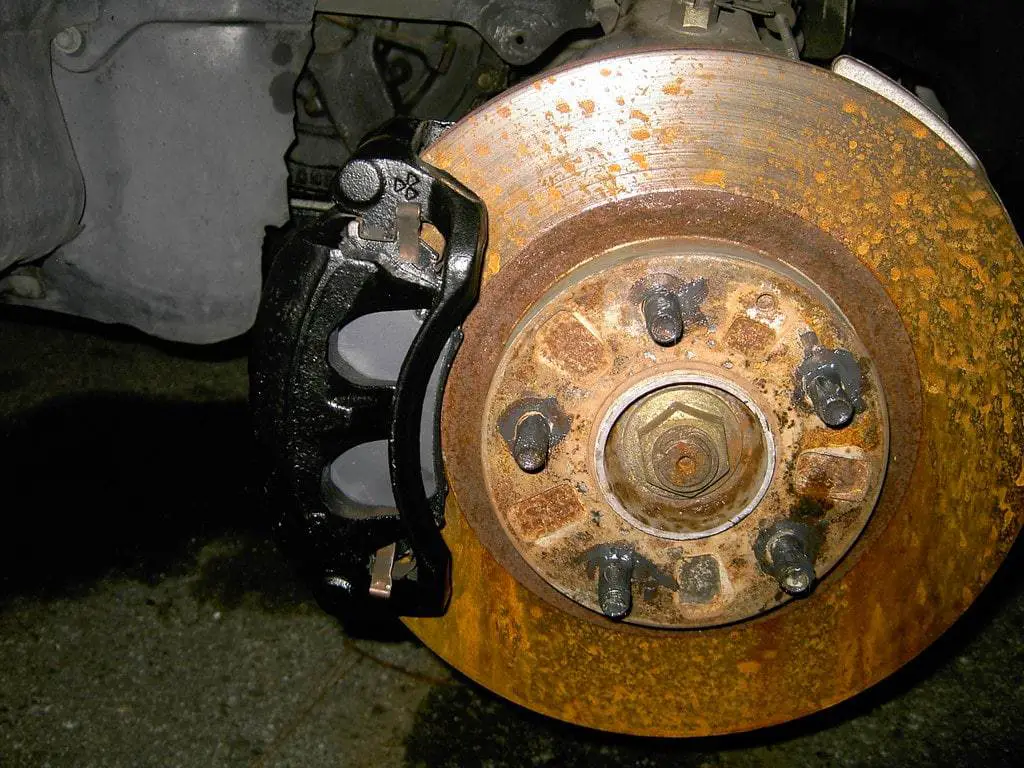
You wouldn’t risk cheap tires on your car, so why risk using cheap brake pads to repair your brakes? In the market, there are still countless types of poor-quality brake pads and people often buy fake brake pads without paying attention. However, the result of this problem can seriously affect the performance of the braking system.
- Increase braking distance; when braking is urgent, the vehicle cannot be stopped in time, causing an unnecessary accident.
- It is easy to lock the wheels and lose the ability to control the direction.
- There is noise when you brake.
- Faulty pads can affect the rotors. If you have poor-quality brake pads that cause chipping, cracking, and rotor failure, no pressure is applied to the brake which will now be placed directly on the rotor. This causes the rotor to warp, crack, and eventually fail completely.
- Damage tires due to bad brake pads. If the brakes fail due to worn/corroded brake pads, discs, or calipers, it can cause you to press the brakes, leading to unbalanced tires and, ultimately, faster wear than normal.
How to Choose Good Brake Pads?
How to choose good brake pads for the vehicle is an important question that affects your car’s performance and safety. Choosing the right pads is becoming increasingly difficult due to the wide range of brake pad types. Not all brake pads are designed the same way. And each is manufactured with its own materials and processes which also determine the performance, noise, price, warranties, and the ability to make them consistently and safely throughout their “lifespan.” Lifespan is a common prerequisite for many buyers, as it saves you money.
Brake pads should always be replaced before they are completely worn out and according to the manufacturer’s recommendations to maintain optimal braking power. This will reduce damage to other brake components such as brake calipers and brake discs. To choose the high-quality brake pads you need, pay attention to the following aspects:
Driving Condition
The material of the brake pads will depend on your driving style and requirements. Purchasing replacement pads will require you to choose the material they are made of. At this point, you need to determine how severe the braking need is. The best brake pads for your car depend on what you want them to do. The pads contain a sacrificial friction material bonded to a metal backing. Every time you use the brakes, a little of this material wears off. The amount of wear depends on certain factors. For example, harsh braking and frequent sudden stops cause your brake pads to wear out faster. The same goes for driving on dirt roads or other extreme conditions.
Maximum Temperature
Good brake pads must be able to operate in all weather conditions, whether dry, wet, muddy, hot, or cold.
Maximum Temperature: This is the highest temperature the brake pads can withstand before becoming dangerous. During normal street use, brake pads typically will not see a temperature rise above 200°C or 392°F. However, track days are another story, with temperatures reaching up to 1,000°F because the brakes are applied more often and more aggressively.
Friction Response to Temperature
Drivers should note the force applied to the pedal to get the same response during emergency braking compared to normal braking.
Brake Pad Lifespan
Brake pads are subject to wear. Should you consider the lifespan of the brake pads? Pads can last about 40,000 miles on average, but the range is quite wide: Typically, their lifespan ranges from 20,000 to 65,000 miles. Many factors affect the lifespan of your brake pads, from your driving habits to the material of the brake pads. For example, drive slower and you will extend the life of your brake pads.
Brake Pad Material
Many drivers wonder “what type of brake pads is best for my car?” The type of materials you use depends partly on the type of vehicle you drive. Do you want to transport children in a minivan or SUV? Or are you hauling heavy objects in a truck? Brake pads are typically made from one of three materials: organic, ceramic, and semi-metallic, each with its own characteristics and pros and cons.
What Type of Brake Pads Should I Choose?

There are 3 types of brake pads: organic brake pads, ceramic brake pads, and semi-metallic pads. These 3 types of brake pads are considered very durable; they are not only used for daily commuting but are also considered the best brake pads for towing. Made from different materials and specialized processes, each brake pad has different performances and applications.
Ceramic Brake Pads
Manufactured in the first half of the 1990s, a few car manufacturers began using ceramic brake pads. This type of brake pad is appreciated for its smoothness. When used, it makes almost no noise. Compared to organic brake pads, “are ceramic brake pads better?” Ceramic brake pads are much more dominant in terms of dust reduction, reduced wear, reliable operation, wide temperature range as well as driving conditions.
The ceramic material and copper construction allow the braking mechanism to perform well even at high temperatures and to recover faster. The ceramic structure absorbs sound and vibrations in the frequency range that humans hear.
Organic Brake Pads
Upon their invention, brake pads were made of asbestos. However, after a period of use, experts discovered that it is a potentially carcinogenic compound if exposed for a long time. To overcome this dangerous problem, organic brake pads were manufactured. This brake pad uses safer materials such as a mixture of fibers, carbon compounds, rubber, glass, or fiberglass… bonded together by resin. This type of brake pad only creates a moderate amount of friction and does not generate too much heat. Therefore, the car will still run smoothly, without making much noise when braking. Most reputable and high-end manufacturers use organic brake pads when building cars, but this only applies to over 50% of new cars. Meanwhile, other car manufacturers use different types of brake pads in their production lines.
However, organic brake pads tend to wear out faster, so they need to be replaced regularly. Furthermore, this type of brake pad works best only in a low-temperature environment. When the weather is too extreme or braking is too hard, generating high heat, the performance of the brake pads will significantly decrease.
Semi-Metallic Brake Pads
The last type of brake pad friction material is called “semi-metallic” because 30 to 65% of its weight is metal. People use many different metals, from copper and iron to steel, to make this pad. The rest of the friction surface is made of fillers and binders. And a variety of other materials are needed to improve the performance and durability of the brake pads. Semi-metallic pads are extremely popular in the automotive industry and are considered the most versatile brake pads on the market. These brake pads obviously have many limitations, but many people believe that using semi-metallic brake pads remains the best choice. It all depends on its application.
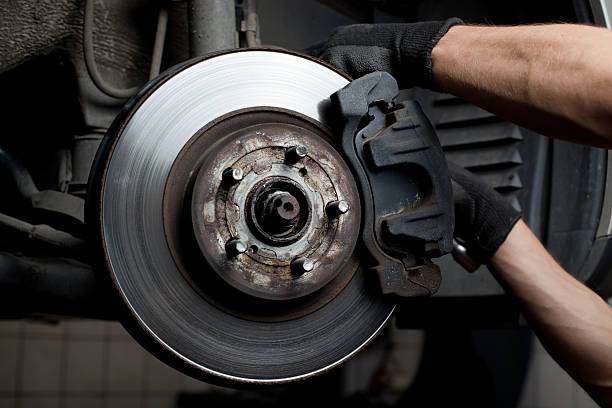
Are Ceramic Brake Pads Better Than Semi-Metallic?
Semi-metallic or ceramic brake pads, which one to choose. It is very difficult to give an exact answer to this question. Before the advent of ceramic pads, semi-metallic brake pads were considered the best brake pads on the market. Of course, utility also fades with new technologies, but semi-metallic car brake pads can still compete with many other high-end products, according to some car manufacturers.
Semi-metallic brake pads may be more performant and economical, although they can be harsh and noisy when used.
Ceramic pads have many advantages, but the production cost of this type of brake pad is higher compared to all other brake pads. Furthermore, the ability of ceramic to absorb heat evenly is not as high as that of other materials. This causes the heat from the braking process to escape from the pads and into the rest of the system, causing wear on associated components. This type of brake pad is also not considered the best choice when driving in very cold weather or on the track. They can also bite less and perform less, meaning that when you first press the brakes, especially in cold weather, you will notice less immediate braking power.
If you regularly use your car for more strenuous work, such as towing on mountain trails, it may be better to opt for ceramic, fully metallic, or higher-quality brake pads.
Points to Consider Before Buying Brake Pads
No vehicle can be considered safe if the brake pads are defective or worn. So, in addition to paying attention to the characteristics of the brake pads, you must also pay attention to some factors when purchasing.
Find a trusted brand: To guarantee the quality and origin of the brake pads, you should choose to buy products from reputable suppliers in the market.
Check the warranty: Many manufacturers (or retailers) offer warranties on brake pads. Although they are designed for gradual wear. If they come with a mileage warranty, it’s a good sign of service.
Do not ignore certifications. Two generic brake pad certifications are included: Differential Effectiveness Analysis (D3EA) and Brake Effectiveness Evaluation Procedures (BEEP).
Final Thoughts
Like tires, brake pads are subject to wear and must be replaced immediately. And bad brake pads can cost you more in the long run. When comparing brake pad brands to use on your vehicle. You must consider more than just the type of brake pad.
You must also consider the key features of each brand, their lifespan, and their quality. The last thing you want to do is buy a low-quality, low-end brand. And have them fail on you and seriously damage your car. Poor-quality brake pads can damage various parts of your vehicle in several ways. For example, faulty brake pads can damage rotors, calipers, and tires if not handled immediately.