
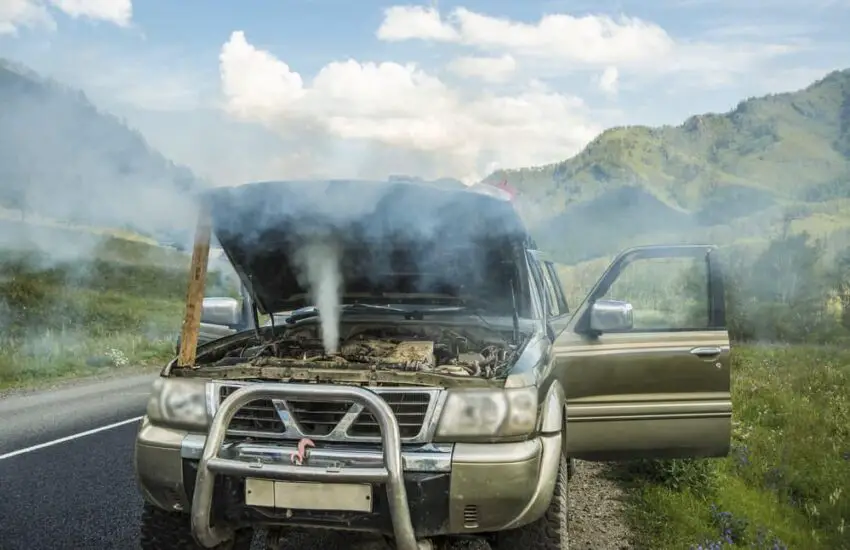
Engine overheating is a serious problem, and unfortunately not too rare. When dealing with an overheated engine, you must handle it carefully, otherwise you risk causing further damage. On one hand, you need to know how long it takes for a car to cool down before you can inspect and troubleshoot or try quick fixes. Not just when dealing with an overheated engine, this is basic car maintenance knowledge to safely care for your beloved vehicle.
Signs of an Overheating Engine
Hot weather and older vehicles are the two main factors for a car overheating. Not entirely unprecedented, but modern cars rarely suffer from this problem. It can occur when climbing a hill or being stuck in traffic on an exceptionally hot day.

There are a few common signs you need to be aware of when your car’s engine starts to overheat.
- The engine temperature gauge on the dashboard or driver’s console points to “H” or moves into the red zone of the gauge.
- Steam that often looks like smoke coming from the front of the vehicle under the hood.
- Strange smells or odors emanating from the front of the car, especially near the hood. Leaking coolant can often have a sweet smell, while oil leaks usually produce a burning smell.
If you notice these signs while driving, try turning off the air conditioning system as soon as you realize the car is overheating. This will relieve the engine and lower its temperature. Open the windows to speed up the process.
If turning off the air conditioning doesn’t solve the problem, turn on the heater and the fan. This seems counterintuitive, but turning on the heater draws heat away from the engine into the passenger compartment. This will reduce the load on the engine cooling system and lower its temperature.
Another quick fix: if you notice the temperature rising in traffic, rev the engine a little after shifting into “Park” or “Neutral.” This process speeds up the water pump and fan, drawing more air and water through the radiator. The increased circulation of fluid and air helps cool the engine.
Another helpful tip is that if you are in traffic jams, try to slow down rather than alternating between braking and accelerating. Braking generates a lot of friction, which will only worsen the engine overheating situation. This forces the engine to work harder and causes further damage.
When All Else Fails: Stop and Wait for the Engine to Cool
If your car continues to overheat after a few minutes of driving with the heater on, the A/C off, and the windows open, pull over safely to turn off the engine. This is the safest and most secure way to cool down an overheated engine.
How Long Does It Take for a Car to Cool Down?
The cooling time of a car depends on the normal atmospheric temperature and the engine temperature. Cooling time also varies from engine to engine.
It usually takes at least a good 30 minutes for an engine to cool down sufficiently to be safely inspected, as there will be boiling steam when you open the hood. A car engine is said to have cooled down when you can safely handle it, such as safely opening the radiator cap or checking the coolant level.
To safely open the radiator cap, you will need to wait 1 to 2 hours. But if you want to check the coolant level, it’s safer to wait about 3 to 5 hours. Note that by this time, the engine has cooled considerably, but the coolant has already expanded, so the gauge will show a false high reading, which could be mistaken for still being hot.
An overheating engine is not a problem to be underestimated. The correct procedure is to have your car’s cooling system inspected by a professional as soon as possible to resolve the root cause of the problem.
If you are too far from the nearest mechanics, the best thing to do is to have your vehicle towed to safety. Do not drive the car for more than a quarter of a mile to avoid further engine damage. Otherwise, if circumstances allow, you can try adding coolant to let your engine cool down so you can get to the nearest auto shop.
Quick Fix: Add Coolant
Engines typically overheat because the coolant is low, so filling it will usually solve the problem. When you have waited at least 15 minutes for the hood to be cool to the touch, it’s time to add coolant.
Note that this is only a temporary solution. Adding coolant does not solve the problem causing your engine to overheat in any way, but it often allows you to drive safely to the nearest repair station.
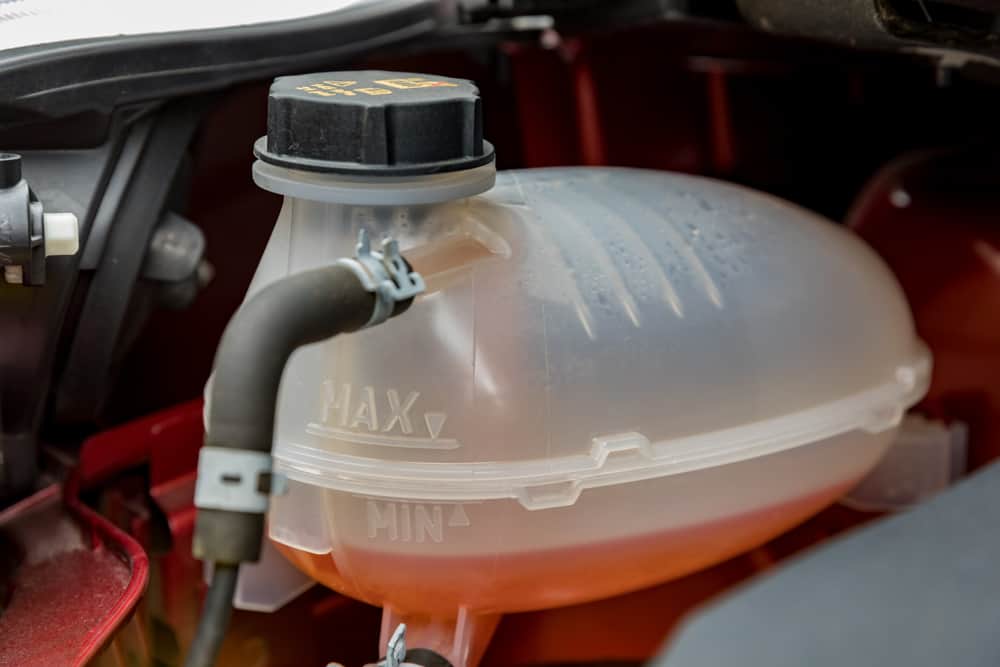
Put on gloves, open the hood, and locate the radiator cap. You may want to consult the owner’s manual if you are unsure where the coolant reservoir is. It is usually a translucent plastic tank near the radiator.
If the coolant reservoir is empty, you might have a leak. Take a look under the car. If you notice a drip or a puddle of water, chances are the coolant reservoir is leaking.
If the culprit is a coolant leak, you will need to fill it. Make sure the radiator cap is cool before opening it. Note that when heated, coolant expands, leading to a pressure buildup. To safely remove the radiator cap, it is important to cover the cap with a towel and slowly push it down and loosen it a quarter turn, to release the built-up pressure.
Next, fully open the radiator cap and slowly add coolant, a half-water, half-antifreeze mixture, until the fluid reaches the “full” line. You should also add coolant to the small transparent plastic overflow tank mounted on the side of the radiator.
Then, replace the cap and start the engine. Also, make sure that the upper or lower radiator hose and none of the heater hoses have been blocked, disconnected, or burst.
Important safety tip: Do not pour cold water into a still-warm radiator. This could cause the engine block to crack due to the sudden temperature change. If you absolutely must add water while the engine is still warm, pour slowly while the engine is idling in neutral or park.
Furthermore, note that most cars require a 50/50 mix of coolant with water to prevent overheating, so you won’t be able to drive indefinitely with an overheated engine by just adding water to the coolant reservoir. If you don’t have coolant on hand when your car overheats, be sure to add a comparable amount of coolant as soon as possible.
Alternatively, if the coolant reservoir is full, the problem could be electrical or mechanical in nature. A leaking hose, a worn or broken fan belt, a faulty water pump, or a defective thermostat could be the cause. In this case, your best course of action is certainly to request a tow to the nearest repair shop.
If the temperature gauge returns to normal or the red light goes out, you can continue driving, but be cautious and monitor the temperature gauge or warning light.
Why Do Engines Overheat?
Today’s cars are equipped with sophisticated cooling systems featuring multiple heat sensors and computer-controlled electric fans designed to keep your engine running in all weather conditions. These superior features make overheating less likely in modern cars than in older models. However, overheating can still occur.
There are many reasons why your car might overheat, but essentially, overheating is caused by a problem with the vehicle’s cooling system that prevents heat from leaving the engine compartment. This is often due to a leak or a blockage somewhere in the engine cooling system or other components.
Components such as rubber hoses, gaskets, and water pumps are exposed to a high degree of regular wear and tear and can therefore easily cause a leak. Furthermore, certain driving conditions, like stop-and-go traffic in hot weather, can put significant strain on the cooling system, causing it to fail.
As with most car problems, maintenance is key. To minimize the risk of engine damage, it’s best to avoid this issue with regular maintenance by checking your car’s coolant and oil levels and inspecting the hoses, fans, thermostat, and other parts of the cooling system.
But what do you do if your temperature indicator starts climbing towards “H” or the dashboard light flashes? Knowing what to do when your car overheats could mean the difference between replacing a $20 thermostat and thousands of dollars in repairs.