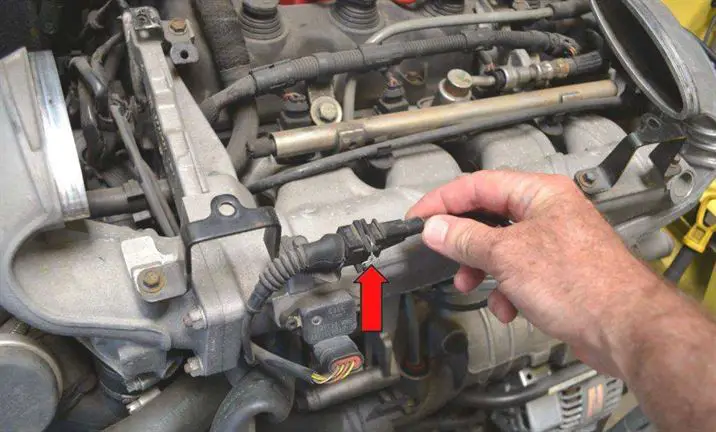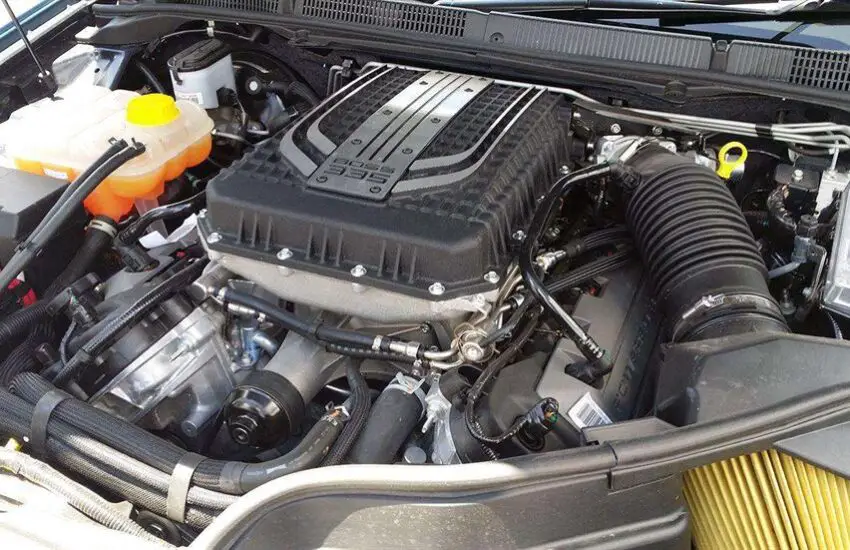
Located in the lower engine block, cylinder head, or intake manifold, knock sensors are designed to create the voltage signal based on vibrations caused by detonation. The sensors essentially generate the voltage signal based on the vibrations caused by detonation. The computer then simply uses this signal to adjust the ignition timing whenever the spark occurs. For those still wondering how a knock sensor works; here is a complete overview to understand how it actually functions.
What is a Knock Sensor?
1. Definition
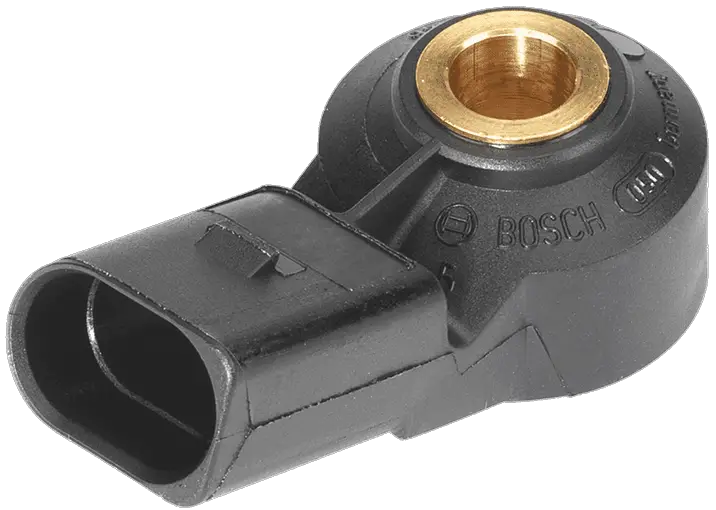
In a second simple and in-depth explanation for all those ignorant of mechanics, the knock sensor is the car computer’s ear to listen for any unusual pulsation that could damage the engine and to check if the engine is running properly. Being essentially a microphone, the knock sensor detects “spark knock,” which is the condition inside the engine where fuel starts to burn before it is supposed to. “Spark knock” is also called detonation, pre-ignition, or ping. I hope this definition helps you with some ideas about what a knock sensor is and what a knock sensor is used for.
2. Function
So we know this “sensor,” which is a microphone, listens for the “knock,” but what does it sound like? The answer is like a can full of marbles being shaken and producing a rattling noise. This unusual pulsation creates a rattling noise and damages the engine’s internal components. Therefore, it must be detected by the computer when it happens. That’s why knock sensor functions came into being, to assist the computer in this detection task.
When an irregular knock occurs and is detected by the sensor, the computer will know and immediately make small adjustments to prevent it from happening while maintaining optimal performance as usual. And if the sensor fails, the computer simply won’t perform any engine adjustments, and thus optimal engine performance cannot be guaranteed.
3. Uses
Well, the knock sensor has two main uses:
- First, it detects spark knock, which helps optimize engine performance.
- Second, it also protects the engine from power loss.
Thus, the knock sensor ensures vehicle safety, allowing you to drive safely on the roads.
How Does a Knock Sensor Work?
This part will inform you about the technical details of the operation or the working of a knock sensor. In technical terms, the knock sensor is a piezoelectric sensor that contains a piezoelectric sensing crystal and a resistor. This crystal creates a small amount of voltage when shaken by the aforementioned knocking noise. The knock sensor then takes advantage of this unique property.
The Knock Sensor starts working as soon as it detects knocks and noises from the engine. So, the sensor simply picks up the noise, which is usually not audible in the engine. The low-volume reverberations range from 6 to 8 kHz. The resonator plates inside the knock sensor are responsible for these faint reverberations. Furthermore, this is then transmitted to the sensor’s piezoelectric crystal element. As soon as the element receives this signal, or as it’s called the shock wave, a small voltage is generated, which simply goes to the Electronic Control Unit of any vehicle.
Your vehicle’s Electronic Control Unit will simply delay the triggering of that spark in the chamber. As a result, the spark or spark triggering is simply delayed. In short, if you know a few maintenance tips to keep your knock sensor healthy, no spark knock will occur in the vehicle.
Now that we know how a knock sensor works, let’s explore some of the failure symptoms.
Knock Sensor Troubleshooting: The Symptoms
After learning how a knock sensor works, it’s time for us to know how it doesn’t work. There are common to rare symptoms of a bad knock sensor that every driver should know to ensure smooth and efficient driving.
1. Driving Feel
First, trust your instinct, trust your inner self when driving at high speed or carrying a light or heavy load in the car. There will be something wrong. Your car isn’t performing as it should be or at least you think it should be. By listening to the engine noise, observing the gear change, comparing the weight of your accelerator pedal pressure with last time, or simply the steering speed. Regarding the feel, only your skills, experience, and familiarity with your cars can tell.
Then after confirmation, take your car to the garage immediately for a quick check.
2. Slow Acceleration
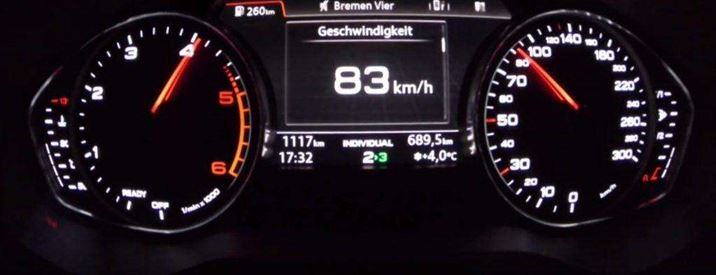
You will notice a loss in fuel economy, especially during acceleration on highways. A deeper accelerator pedal no longer means as fast a speedometer. In other cases, with the same distance you usually cover, the fuel gauge drops from F to E faster than it’s supposed to. And for you, it’s the pain in the pocket, and you might find more money spent on fuel this week, but no change in the total distance traveled. You feel it clearly and painfully.
So don’t wait any longer, let’s head to the garage before further engine damage occurs.
3. Check Engine Light
A Malfunction Indicator Lamp (MIL), or check engine light, is an indicator that a computerized engine management system uses to indicate a malfunction. Found on the dashboard of most automobiles, it is usually labeled Check Engine, Service Engine Soon, or displays a pictogram of an engine – and when illuminated, it is typically amber or red in color.
In this case, the computer can detect different sounds in the engine, and when there is no usual signal from the knock sensor, the computer will get the information and assume there might be a problem with the knock sensor. Then the Check Engine light will turn on. Of course, there are dozens of reasons why the Check Engine light comes on, but it’s still worth taking your car to the mechanic. Whether it’s a faulty knock sensor or not, you will save your money.
4. Loss of Power
When the knock sensor is not working properly and the computer realizes it, the vehicle will lose engine power. The most damaged engines are normally those with high compression and mixed fuel. The result would be to slow down the timing and keep the transmission off-road. Replacing the knock sensor will solve this problem.
Our Expert Tips
In any vehicle, the knock sensor can detect noise at different levels. And of course, the spark plug color can also be identified in the vehicle. So, when a light knock occurs, you will probably hear the pinging noise, which will sound like a small ball bouncing around the vehicle’s engine. Well, this level of detonation is easily identified by the knock sensor.
If you don’t take good care of your engine and vehicle, it’s likely these noises will reach a higher level, leading to more severe knocking and noises in the engine. It might even feel like someone is knocking very hard on the door. After that, you can only expect your engine to be damaged and break down.