
RPM is an important parameter that determines the ideal time to shift gears on a manual transmission car. Shifting at the most ideal RPM helps optimize fuel combustion and prolongs the engine’s lifespan. High RPM during acceleration or driving is one of the abnormal signs appearing in the car; the driver must take corrective measures at that time to limit unnecessary risks.
What is RPM in a car?
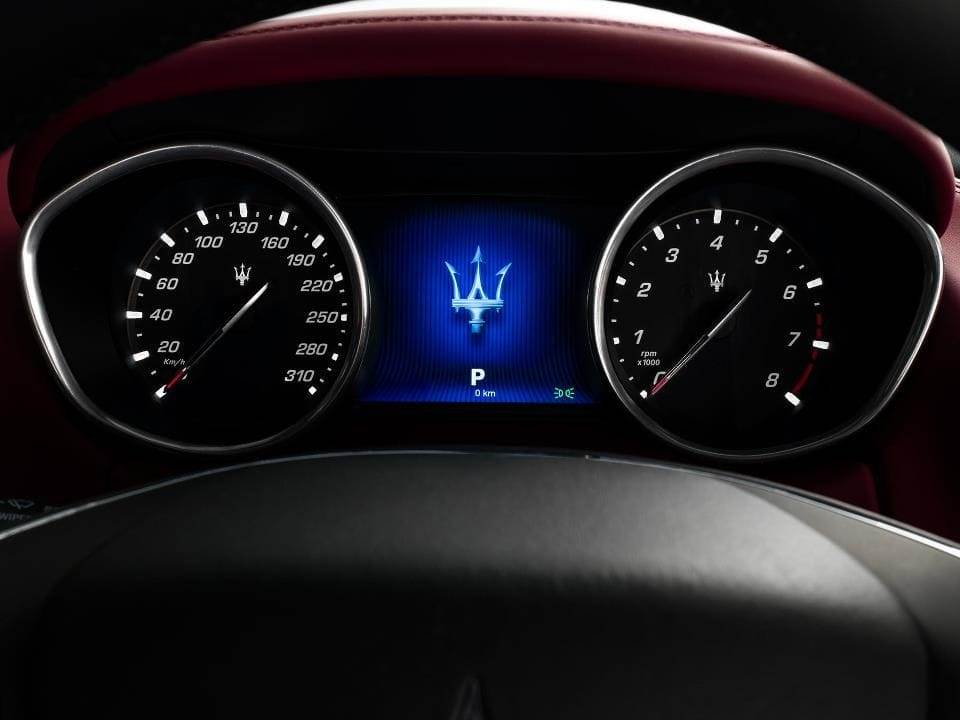
Before going into the details of each cause of high RPM, we should have basic knowledge about car RPM to understand the meaning of this parameter and what it does. RPM is a parameter that affects your car’s performance, which is closely related to capacity and torque. Simply put, RPM is the number of revolutions of the car’s engine in 1 minute. RPM stands for Revolutions Per Minute, displayed on the tachometer in the digital dashboard (instrument panel) in the cabin.
RPM is inversely proportional to the car’s speed levels and proportional to the vehicle’s capacity, reaching a maximum speed of 5,000 to 10,000 RPM for race cars. For each speed level, the ideal RPM is not the same. The higher the RPM, the higher the engine displacement, the faster the vehicle moves, and the higher the fuel consumption and engine noise during driving. The more the engine revs, the louder the noise it makes. If the engine operates near the overload threshold, the roar will be very loud. RPM is an important parameter for knowing:
- Decide when to shift gears on a manual transmission car.
- Make the car maximize fuel by shifting gears at the right time.
- Determine if the engine and transmission are working properly.
- Find the right driving method to prolong the engine’s lifespan.
What is a normal RPM when driving?
To save fuel, optimize engine capacity, and move smoothly on the road, drivers must be flexible in gear changes and adjusting the engine RPM to an ideal state. So, how many RPM is reasonable? For gasoline engines, in idle mode, the RPM is stable at 700 – 800 RPM. When the car starts or restarts after a long period of inactivity, the RPM fluctuates around 1000 RPM to warm up the engine and create a suitable temperature. Furthermore, some drivers wonder what is a normal RPM during acceleration? When you accelerate lightly, shift to the next highest gear when the RPM is around 3,000 RPM. During hard acceleration, shift gears when the RPM gauge reads about 4,000 to 5,000 RPM.
When the car is driving normally on the road, the RPM varies with each speed level on your car:
- 1st, 2nd: 1,400 – 1,800 RPM
- 3rd, 4th: 1,300 – 1,700 RPM
- 3rd, 4th, 5th: 1,200 – 1,600 RPM
These numbers are the standard allowing the driver to drive the car smoothly on the road, shifting gears flexibly on each terrain, ensuring safety when participating in traffic. In case of emergency braking, while driving at high speed, the driver must reduce the engine RPM to less than 1,000 RPM according to the “smooth point receiving the gear change” rule to know the ideal RPM before performing the gear shifting operation. If you are driving on an open road, with few obstacles, the ideal RPM is only 1,200 RPM.
High RPM during acceleration: 7 common reasons
If you have ever experienced driving on the street and noticed that your RPM jumps during acceleration, it causes your engine to consume more fuel. It can even lead to engine overheating. You are not alone. Many drivers tell us they have encountered this problem and wonder “Why does my RPM keep jumping?”. Therefore, it is necessary to check to find the cause and fix it as soon as possible. Drivers should carefully learn some of the reasons below to apply a reasonable solution:
Vacuum leak
A vacuum leak occurs when more air is injected into the internal combustion engine; this extra air is not detected or “read” by the engine computer – this is the part that calculates the correct amount of fuel that can ideally be injected into the engine, thus creating a bad fuel-air mixture and is often called a bad fuel-air mixture. A leaking vacuum allows air to enter, increasing the amount of air in the engine cylinder’s combustion chamber.
At this point, the ECU receives the signal and adjusts the amount of fuel accordingly, which is the cause of the error that makes the RPM increase. To detect the vacuum leak, you can use a spray bottle to spray the soap and water mixture around the suspected leak areas. The leak will suck in the water, which you can see with the naked eye. Otherwise, the engine will temporarily run smoothly because the water seals the leak, improving the air-fuel ratio.

Clogged fuel injector
The fuel injector is the part responsible for supplying fuel to the vehicle, specifically injecting fuel directly into the engine cylinders. This directly affects the vehicle’s acceleration. When the injectors are clogged with dirt and impurities, it will cause acceleration problems. Because the damaged injector cannot give the exact amount of fuel to your engine, it can lead to increases and stagnation and cause the RPM to go up and down, especially during acceleration.
Dirty air filters
The filter system works like a “lung” in a car engine. Air filters are your vehicle’s first line of defense by preventing airborne contaminants from being sucked into the engine compartment. Over time, the air filter is easily covered with dust and other substances and generally loses the ability to filter air entering the engine. For this reason, unstable airflow can enter your engine, which causes RPM to fluctuate and prevents you from starting or accelerating.
Timing problems
Timing is more important in your engine because the timing of fuel injection and valve opening will determine the engine’s power. If the valve is outdated, it will affect your car’s performance and fuel consumption. This can lead to RPM jumping up and down during acceleration.
Transmission problems
When you have problems with transmission fluid issues, it will cause high RPM when the automatic transmission shifts gears. Transmission fluid helps lubricate the transmission gears and some other engine parts. This fluid helps lubricate, prevent rust, prevent corrosion, and cool the engine. Your vehicle starts to rev at a higher speed when the fluid starts to leak due to transmission band or torque converter slippage. Some other signs of a transmission fluid leak are irregular or delayed gear shifts.
Malfunctioning idle control valve
Checking the idle control valve is one of the important steps recommended by mechanics when experiencing high RPM during driving. The idle valve is a component commonly installed in fuel-injected vehicles with the function of controlling the engine’s rotational speed. The ISC valve is installed to regulate and maintain the engine’s idle speed at a constant speed. If the valve fails or a malfunction occurs, the load speed will be unstable, abnormally high or low, continuously decreasing or increasing. This is the reason why the RPM jumps erratically.
Dirty/damaged oxygen sensor
There are many causes of oxygen sensor fouling, such as a coolant leak, gasoline additives… The oxygen sensor functions to measure the amount of residual oxygen in the exhaust gases. A faulty oxygen sensor affects its ability to react to excess oxygen in the exhaust gases, which leads the ECU to misalign the air ratio. A greater supply of fuel and air to the combustion chamber requires the engine to run more powerfully. This leads to an increase in RPM.
How to avoid high RPM during acceleration?
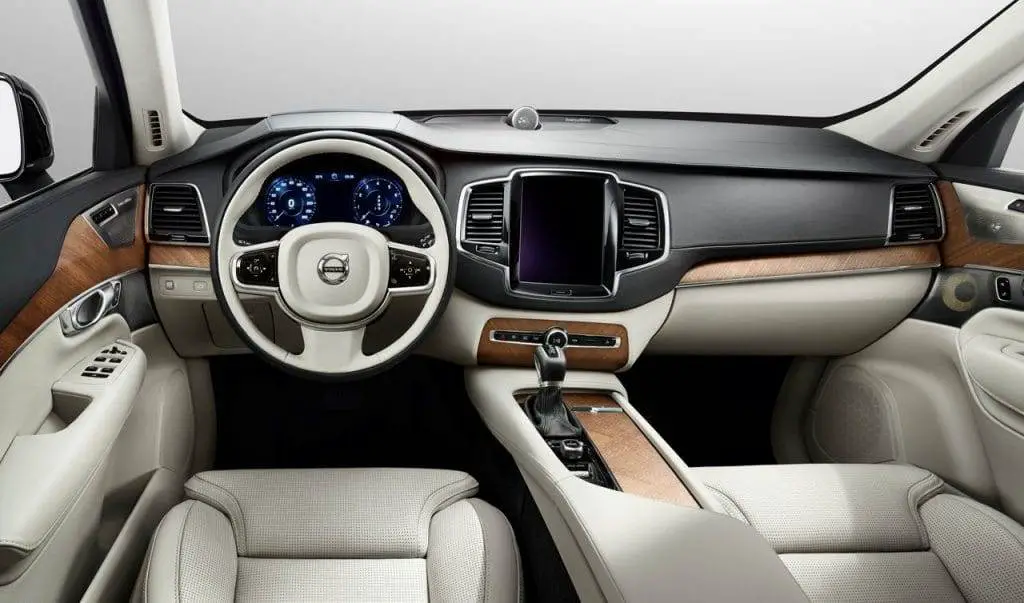
Every car has a tachometer and is marked with a red line. If the red line signal appears continuously for a long time, it will seriously affect the engine parts. The driver should take the car to the nearest repair shop for inspection, or you can follow a few simple methods to overcome and avoid the situation of RPM jumping.
- The first thing you should be concerned about is your engine. There may be problems in your engine that can cause RPM to jump. The engine light on the dashboard comes on when this happens. If you don’t have much experience in car repair. Checking and finding your engine problems should be diagnosed by a professional mechanic, so have your car checked for this fix.
- Regularly check and clean the parts in the car’s engine compartment, such as fuel injectors, air filters, sensors, and valves… to ensure these parts are still working properly. For example: When checking the valves and found that the valves are covered with dust and dirt. This might be the reason for the car’s condition. Carefully clean the sensor and clean the plungers and the intake throat. Put the sensor back in place and start the engine, check that the engine RPM is around 1200 RPM. After a while, the RPM returned stable to 1000 RPM.
- Perform regular car maintenance to detect problems early and take timely preventive measures.
FAQ
How to effectively increase RPM
With a gasoline engine, the engine RPM normally runs in the range of 700 to 750 RPM when the car is idling. At this time, the temperature fluctuates in the range of 80 to 90 degrees to ensure the car’s engine runs stably and smoothly. If you feel the car has jerks due to idling for a while, it’s time to automatically increase the engine RPM to 1,000 RPM at once. The driver should not worry too much because the way to increase the engine RPM will be very simple if you know the rules of adjusting the gear ratio according to the engine RPM.
During operation, if the car is running in 1st to 2nd gear, the driver should increase the RPM to reach between 1,400 and 1,800 RPM. If shifting from 2nd to 3rd gear, the driver should only let the engine rev to about 1,300 – 1,700 RPM; in the case where the car is in 3rd – 5th gear, the RPM will only increase in the range of 1,200 – 1,600 RPM.
How to use the tachometer?
Shift one gear at a time, not several gears at once: if you skip gears, you might accidentally rev the RPM up to the red line. Maintain energy efficiency usage: For better fuel economy, keep the RPM between 1,500 and 2,000 RPM when driving at a constant speed. The higher the RPM, the more fuel the car consumes.
Is it bad to drive the car at low RPM?
Low RPM is neither bad nor damaging to your engine if you stay reasonable. Low RPM (5th gear and about 50-60 km/h) is acceptable when you are cruising or slowing down, but when you start to accelerate, low RPM disadvantages the engine when shifting gears. You can imagine when you are driving at low speed and suddenly you want to accelerate. When this happens, it will put a lot of strain on the clutch, crankshaft, and bearings, but it won’t really do too much damage to the engine.
Final thoughts
RPM is a parameter that indicates the engine’s rotational speed; a fast-spinning engine will produce enough power to help the car move quickly. Normally, the car will run stably at a certain RPM. However, if your RPM is suddenly higher or abnormally slow while the car is still driving in normal mode or accelerating, the engine is likely to have a huge problem, or there are issues with your car.
In the analysis above, we mentioned some causes of high RPM during acceleration. Corresponding to each cause, we will have different solutions, but not all measures we can do or repair at home. If you cannot diagnose or find the exact reasons and solutions to this phenomenon, do not hesitate to be assisted by professional mechanics.