
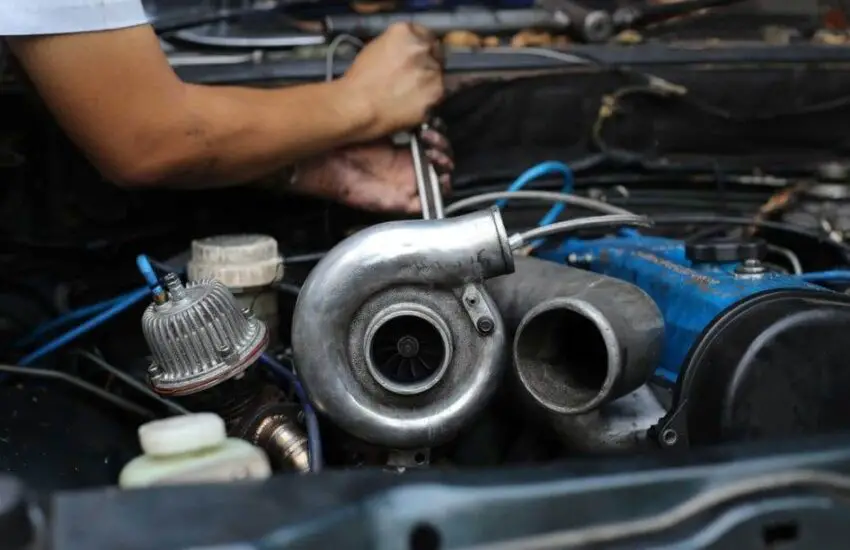
Do you know the potential symptoms of a bad turbo vane sensor? Under your car’s hood, a car engine turbocharger, or turbo for short, is a type of forced induction device. It increases the power of an internal combustion engine by introducing more compressed air into the combustion chamber. Compared to a naturally aspirated engine, an engine equipped with a turbo can draw in more air from outside. With the mission of assisting the turbo, the turbo vane sensor will help determine the amount of air drawn into the engine.
However, every supported car component that screams necessity on its face can be in an overloaded operating state and cause unexpected malfunctions or serious accidents without the driver realizing it. When a turbo sensor fails, the most common symptom you may encounter is a rumbling sound coming from the engine exhaust. Furthermore, in the case where the vane sensor detects that there is not enough necessary air, the throttle will remain closed longer than it is supposed to be. As a result, the wastegate may not open as quickly as it should or not function at all.
To better prepare for many more complicated problems to come, we will now look at some of the most typical symptoms that might indicate a faulty turbo vane sensor and some of its common causes.
Symptoms of a Bad Turbo Vane Sensor
Overall, there are many signs indicating that your turbo vane sensor is faulty. From visual inspection to detection, you can easily notice the faulty sensor in the blink of an eye. In the guide below, we will discuss these symptoms, not in a strict order, to give you a general understanding of the problem.
Rumbling Sounds in the Car Exhaust
The first symptom indicating a problematic sensor is when you come to a sudden stop, and then suddenly the engine exhaust emits a rumbling sound. After a few seconds, it will return to its typical hissing sound. In this case, you might also witness a lot of smoke unintentionally coming from the exhaust.
Inaccurate Temperature Gauge
Showing signs of a non-compliant turbo sensor, your car’s temperature gauge can also be erroneous. The temperature gauge may display inaccurate warnings because the turbo vane sensor is not working. And the computer system may assume responsibility for this issue. Under typical circumstances, the car computer has the mission of adjusting the engine temperature to stay within a specific range. However, when the turbocharger is operating at full capacity without being monitored by the sensor, the computer will no longer be able to maintain this temperature, causing faulty and disorganized procedures in the associated components.
Sudden Loss of Engine Power
Other symptoms of a bad turbo vane sensor are decreased acceleration and the sudden stopping of the car engine power when you are on the road. This problem is usually caused by the electronic control unit blocking the turbo vane sensor to effectively protect the engine. This also leads to dangers and costly consequences shortly.
Emitting Black Smoke
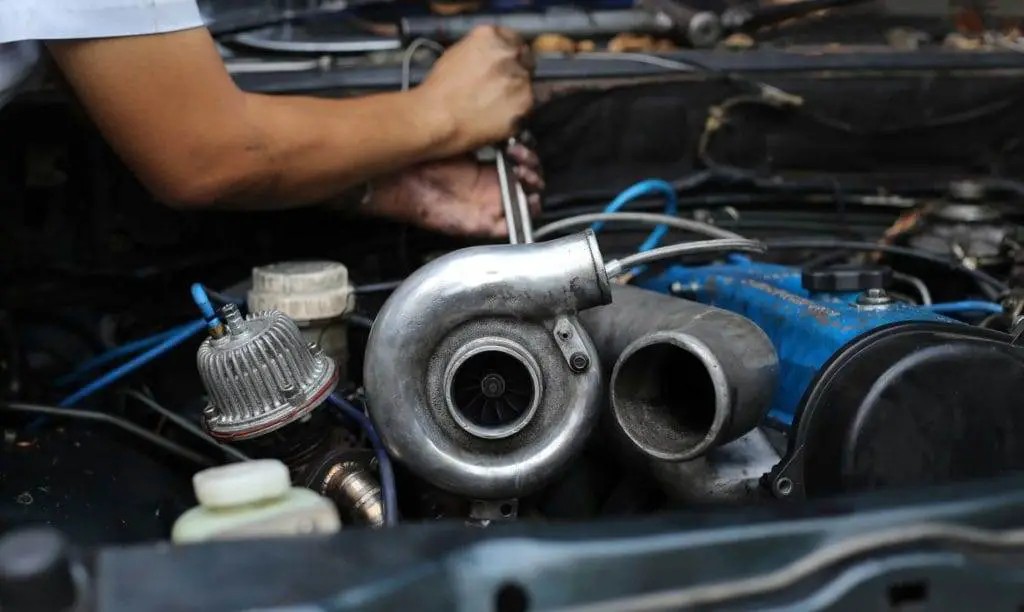
Working overtime while sometimes being overused, the turbo vanes can get stuck because they are all covered in dirt or particles from diesel and carbonic gases from the engine or the environment. And it’s not surprising when not only the turbo vanes but also turbo sensor failures are also usually the result of accumulated dirt and grime, which can make the sensor less accurate.
Overall, if the turbo vanes and the sensor remain stuck in one of the positions as dirty obstacles, your vehicle may experience low power at the upper or lower end of the RPM range. And for the final straw, the car will then emit a wave of black smoke from the exhaust, leading to a not-so-pleasant driving time and potentially ruining your entire cool day.
Fuel Economy Decreases Rapidly
For a car enduring a faulty turbo, particularly the vane sensor, you may notice that its fuel economy can decrease drastically compared to the usual consumption in a short time.
In a set of electronic circuits, various calculated algorithms are used to determine a car’s overall performance, daily efficiency, and fuel economy. If an algorithm proves faulty, the engine may run on low-performance or non-performing fuel instead of high-performance fuel as it should.
Notable Error Codes: P2563 and P003A
If you try to increase your engine RPM above 1500 to 2300 RPM and your turbo vane sensor is not working properly, you may encounter problems. Furthermore, when your vehicle is inoperative while the engine is still on (idling), the turbo vanes open and close every few seconds (about five seconds). In this case, you will notice the check engine light turning on and the error codes P2563 and P003A.
These codes indicate that the car’s powertrain control module assumes the standard calibration is lost or other problems occurring in the turbocharger sensor or turbo vanes, which can affect the components of the entire car system in a not-so-good way. However, if you use the Duramax diesel V8 engine, you should check the p003aDuramax fault codes and their specified fixes as soon as possible.
Senseless Vibration
Turbochargers can cause vibrations when first installed on a vehicle during acceleration or during fast driving. Over time, this can lead to the wastegate stopping functioning or not responding, and eventually, the turbocharger and related details, as the turbo vane will completely stop working. And looking back, a faulty turbo vane sensor can often lead to this problem.
Too Loud and Vibratory
If the turbocharger compresses the exhaust gases too much, it can damage the engine. In this particular situation, the turbine creates more pressure than needed to compensate for electrical losses in the compressor, resulting in a powerful engine noise like a twin-turbo engine or an ers device.
The excess exhaust pressure then overcomes the turbochargers, which in turn recycle the exhaust gases, pressurizing them further. The pressure causes the exhaust system to break, releasing the gas into the atmosphere. An excessive volume of exhaust gas leads to engine over-revving or operating at a higher RPM than usual.
Faulty Shaft Vibration
A faulty vibrating turbo shaft can also prevent the wastegate from responding. Connected to both the turbine and compressor rotors, the shaft is responsible for transferring vibrations from the engine to the car’s alternator rotor. The shaft can be faulty or malfunction under harsh and intense driving conditions such as break friction, deep potholes, and rough brakes.
Turbocharger Fails at High RPM
A noisy and robust running engine is another of the easiest symptoms to detect of a bad turbo vane sensor. With this kind of problem, you can see that the engine may run smoothly and sound light when idling for a minute before engaging. But as soon as you start steering the wheel, the bad thing, one way or another, will exert increased pressure on the car engine and push it to sound very rough.
Fortunately, you can solve the problem of a failing turbo with a highly qualified, suitable, and flexible vehicle muffler (or silencer). However, if you are still struggling to reduce your engine noise, a good tip is to buy a damper with a built-in duct purifier support.
Extreme Turbulence Flow
Turbo sensor or turbo vane problems can be caused by a lack of proper turbo insulation or a disconnected turbocharger. In both cases, all of this can lead to an engine blow-by problem. The issue is the exhaust manifold and the turbo connection band.
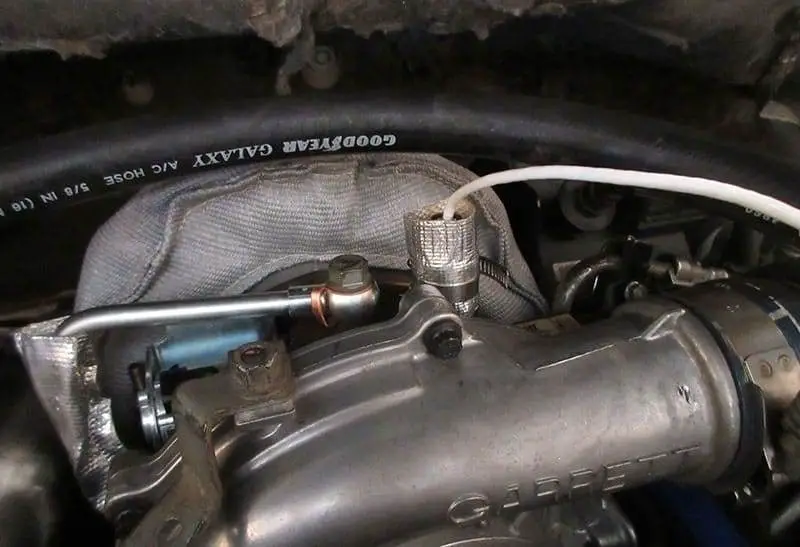
Suppose the turbocharger starts to over-pressurize the exhaust gases. If that is the case, the rubber will cause the vibrations to move in a bell-shaped pattern inside the engine, which then transfers these vibrations to the exhaust manifold. The exhaust gases move through the intake and exhaust manifolds, picking up vibrations from there. This amplifies the beats generated by the engines or creates even more shock.
If there is too much engine vibration and loud noise, drivers may not be able to notice a frustrating problem. They may not even be aware that the turbo or turbo vane sensor is not working well if the engine is under-inflated. Oxygen sensors can also fail sometimes, leading to inaccurate problem readings and detections.
Disorderly Turbo Boost Pressure
If you experience a turbo vane sensor problem, you will know that your engine’s boost pressure is failing. Driving your car at full speed on the highway can cause the boost pressure to fluctuate between 5 and 20 PSI (pounds per square inch).
The above are some of the most visible signs of a faulty sensor regarding the vital parts of the turbocharger system. In any inspection operation or process, if you notice unusual problems and cannot immediately determine the name and causes, take your vehicle and turbo system to a professional repair shop. Being consulted and advised by qualified mechanics will prevent the worst possible damage. Because as small as they may seem, these symptoms of a bad turbo vane sensor can have an uneven impact on the surrounding components and the entire system in the long term.
Car Maintenance Tips to Avoid Symptoms of a Bad Turbo Vane Sensor
It is inevitable for you to use and operate a vehicle whose parts fail over time. Not only that, what we are talking about here is a turbocharger with the mission of putting more air into the combustion chamber. If necessary, this type of engine can consume a large amount of energy. And most likely, the components involved will have to work at high capacity even if it is configured by default to perform these tasks.
Because it is impossible to prevent the risks of damage due to time and sloppy usage cycles when you don’t have much time to pay attention, learning more about effective ways to use and maintain turbocharged engines is reasonable and necessary. That said, here are some useful tips on engine care and maintenance for the sake of your healthy turbo vane sensor.
Limit Movement Right After Starting the Engine
Modern car engines use electronic fuel injection systems, so it is not necessary to let the car start for too long before moving. However, if you use a car with a turbocharged engine, many experts suggest that the vehicle should idle for a few minutes before driving.
The reason is that the turbocharger uses the same lubrication oil as the engine. When the car starts, the engine oil is still cold (more dense), so it circulates more slowly. And the oil also needs time to warm up. Therefore, the lubrication effects on the engine and turbo are not optimal.
The ideal temperature for oil to circulate and lubricate car parts is 80 to 95 degrees Celsius. The oil warm-up waiting time will depend on the different engine warming mechanisms of each vehicle type. It is generally recommended to let the car engine start for 2 to 3 minutes before moving.
Do Not Turn Off the Engine Immediately After Stopping
With a vehicle using a naturally aspirated engine, turning off the engine immediately after stopping is not too affected. However, with those using turbocharged engines, this act should be limited. Because with this type of engine, the heat generated will be very significant.
Furthermore, under the car hood, the oil acts both as a lubricant and as a coolant to absorb heat from the engine. If the engine is stopped suddenly while it is still hot, the oil will not circulate but only be exposed locally in some high-temperature spots. This act will lead to a degradation of oil quality and a faster breakdown of the additives contained in the oil. So when driving a turbo, the driver should pay attention to slow down a few kilometers before the destination. After stopping, let the car run for 2-3 minutes, then turn off the engine.
Avoid Driving at Too Low RPM
Within a complex system, the engine exhaust will be the component that drives and monitors the turbocharger. If the engine runs at too low revolutions per minute, the turbo will not reach a certain RPM threshold. This means the vehicle’s performance power cannot reach the optimal level. Therefore, driving at too low RPM makes some drivers mistakenly perceive that it will save fuel, but it can actually consume more.
Be Careful When the Car Turns a Corner
Unlike naturally aspirated engines, turbocharged engines will have several delays during acceleration. Therefore, if they do not pay enough attention to this delay, turbo drivers are likely to understeer or oversteer in corners, leading to the car slipping, loss of grip, or even loss of control. Thus, one final noteworthy advice when driving a turbo is not to press the accelerator too deeply when exiting a corner.
Use Gasoline with the Correct Octane Rating
There is always the vehicle owner’s manual, and the manufacturer often has a comprehensive recommendation on the appropriate octane-rated gasoline for that type of vehicle. Every driver should follow these tips and remember to avoid gasoline with an octane rating lower than the standard. Because this can cause the car’s fuel to explode at the wrong time, affecting the overall lifespan of the engine and the turbocharger in particular.
Take Note of the Proper Lubrication Oil
Overall, turbochargers use the same lubrication oil as the engine. In some turbocharged vehicles, there is no significant oil loss during a drain cycle. But in some other automobiles, the amount of oil loss is usually higher than usual, so you must keep an eye on the issue and refill the lubrication oil from time to time. Therefore, users should consult the car manufacturer for instructions on the proper ways to check and add oil.
Change the Fuel Filter Timely
The turbocharger rotates with the engine’s exhaust gases and is therefore very sensitive to the quality of the exhaust gases. If the fuel filter is dirty, contaminated gasoline will enter the combustion chamber, leading to a poor mixture ratio between fuel and compressed air. And in a short time, this will affect the quality of the exhaust gases and directly damage the turbo. Therefore, it is always necessary for a car owner like you to carefully inspect and periodically change the car’s fuel filter.
Maintain the Cooling System During Periodic Charging
In general, you should maintain the turbocharged intake air cooling system every 160,000 km or sooner, depending on operating conditions. Additionally, you should also check the cooling system and change the coolant regularly.