
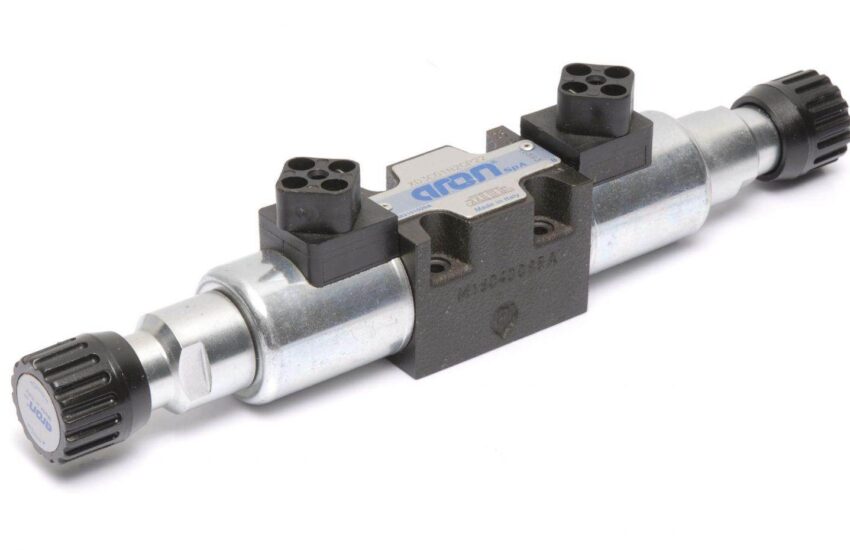
The Oil Control Valve is an essential component of every engine equipped with variable valve technology. Responsible for controlling the oil flow in the camshaft, it also helps maintain the operation of the engine’s internal moving parts.
Additionally, the use of oil control valves also offers many other inevitable benefits, such as efficient fuel consumption, reduced vehicle emissions, and improved engine performance.
However, its failure can sometimes cause problems. Therefore, to recognize the symptoms of a faulty oil control valve, it is crucial to first understand its basic operation.
Operating Principle of the Oil Control Valve in the Automotive System
This component has its own importance in the proper functioning of any automotive vehicle. Being regulated by the engine control module, it is also known as the engine oil solenoid valve.
This valve controls the oil flow in the engine’s camshaft. If the oil does not reach an appropriate amount, it can harm the engine’s normal operation.
Therefore, the oil control valve must open and close at the right time to lubricate the camshaft. In fact, it decides when to prevent oil from entering or allow oil to exit.
The PCM/ECM will control the valve and instruct it on the appropriate actions based on the engine’s performance requirements.
What is an oil control valve used for? Watch the video below for more information.
Common Symptoms of a Failing Oil Control Valve
Some symptoms require immediate attention to be repaired and ensure the proper functioning of the oil control valve. Some of them include:
1. Poor Fuel Economy
This means the oil control valves are unable to regulate the oil flow in the system. This leads to the engine overperforming and increased oil consumption.
Additionally, the exhaust valves would also open and close at the wrong time, resulting in increased fuel expenses.
Ultimately, this would also damage the other internal engine components and significantly reduce fuel economy.
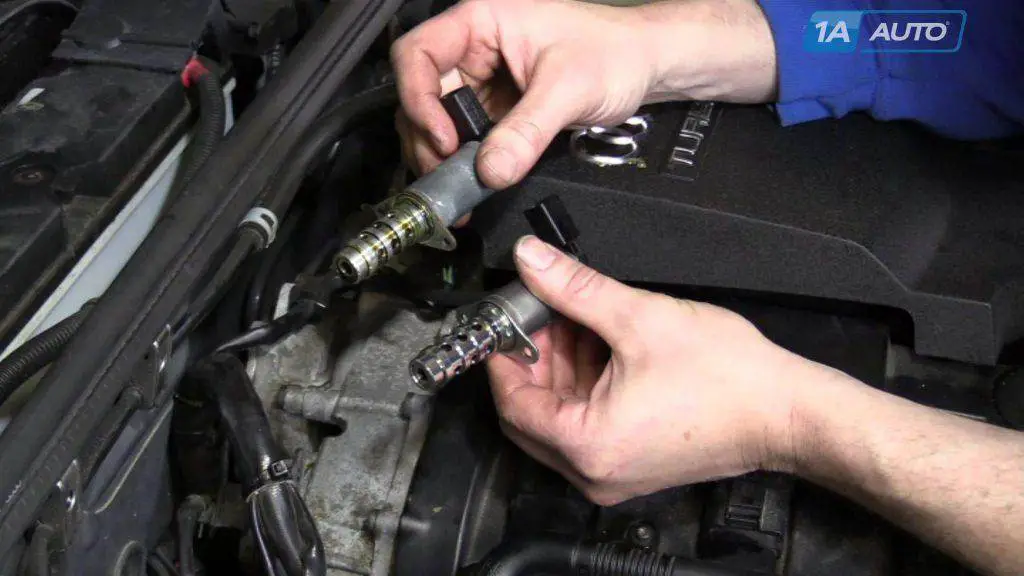
2. Slow Acceleration
Failure to regulate oil consumption would directly affect the car’s acceleration performance. It can be checked by accelerating the car and noting the time taken to reach the desired speed.
Simply put, if the car fails to reach a speed of 60 km/h in a short time, it is a sign of a disrupted oil control valve.
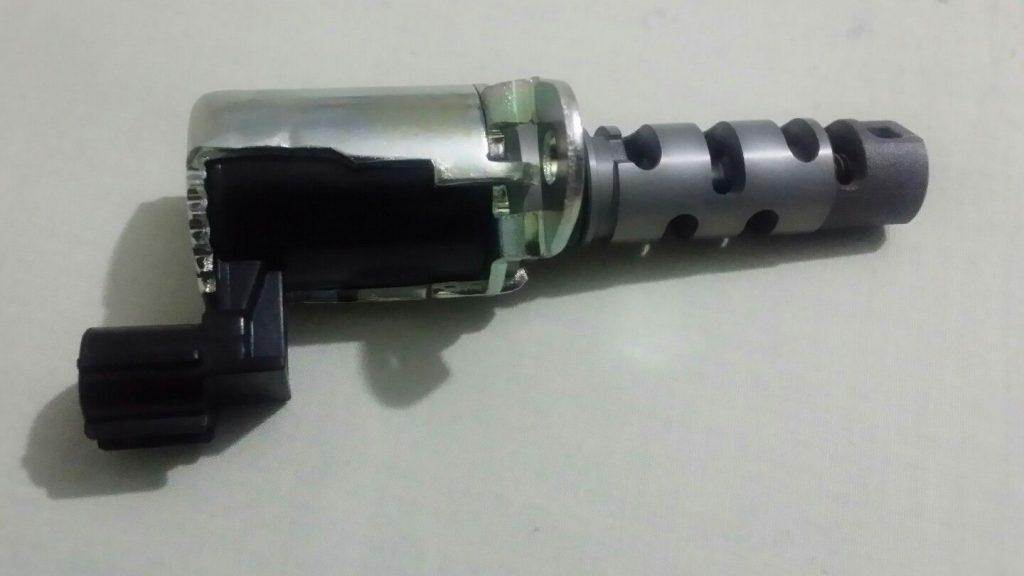
3. Inefficient Engine
To ensure an impeccable and superior oil control valve, one must consider the car’s variable valve timing system.
It generates the power required by the vehicle, which activates automatically when the RPM is above normal. Even when the load on the car is greater, especially on uphill roads, it stimulates.
In this regard, if the Variable Valve Timing (VVT) solenoid is deteriorated, it can cause RPM fluctuations, thus reducing the vehicle’s power.
Now, the question arises: why does this happen? Well, the main cause of damage to the oil control valve is not replacing the oil on time. This negligence can cause impurities, leading to blockage and subsequently preventing oil from entering the camshaft.
Now, it should be easier to detect vehicle malfunctions and work on its maintenance tips to avoid significant expenses.
4. Engine Overheating
Keep in mind that the oil control valve does more than just regulate pressurized engine oil to adjust the position and angle of the camshafts.
Fresh oil is pumped through the valves, camshafts, solenoids, and many other components of a variable valve timing system when the oil control valves open.

By directing the heat from these components to the oil pan, where it can be cooled, it creates an additional type of cooling (besides coolant).
If and when the oil control valves malfunction, it can prevent oil from reaching these parts, thereby increasing the engine temperature and accelerating component wear.
5. Rough Idling
Under typical circumstances, the VVT system operates at higher RPMs or under stress, such as when climbing a hill.
Excess engine oil can be injected into the VVT system by a faulty oil control valve or VVT solenoid, resulting in irregular idling, stalling, or simply poor engine performance in general.
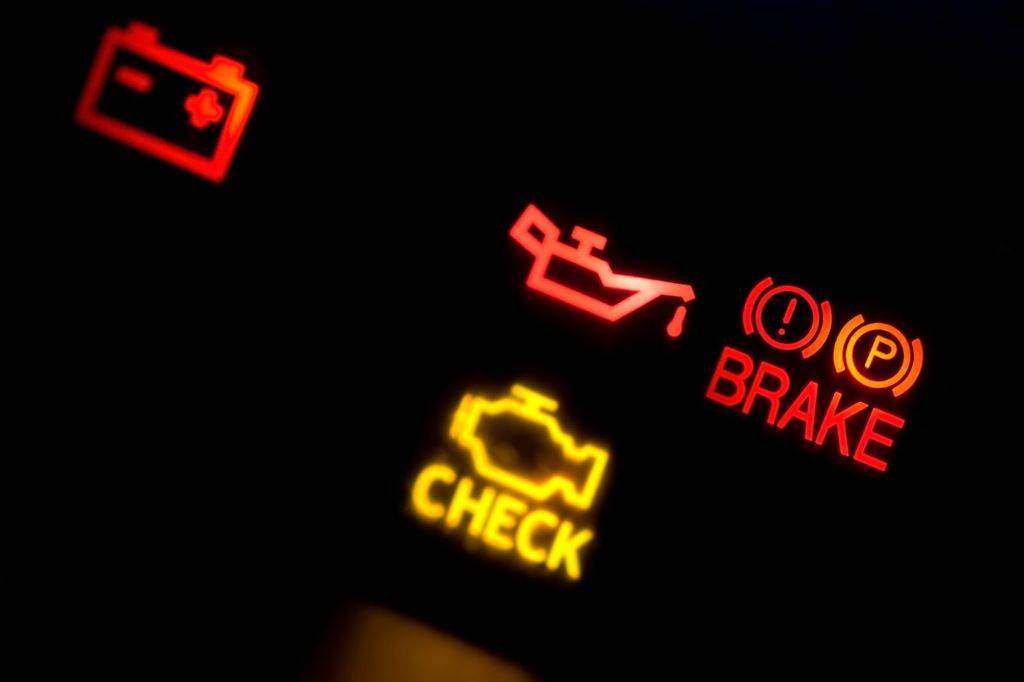
6. Check Engine Light On
The check engine light will invariably come on if there is a problem with the oil control valve. The onboard diagnostic system (OBD2) will generate a code.
This code will tell you if the issues you are experiencing are due to the OCV and its associated VVT solenoid. DTCs P0008, P0014, and P0017 are all VVT-related codes.
As with all cases where the check engine light is on, the car can be driven a limited distance before being towed to a service specialist for repair.
What Causes a Bad Oil Control Valve?
As indicated by the ECU, the VVT solenoid is electrically powered. The VVT solenoid can stop functioning if there is a problem with this system or its electrical wiring.
Additionally, the solenoid itself may encounter an internal electrical issue and start working only occasionally, or not at all.
The OCV uses engine oil, which must be clean to function properly. Sludge and/or varnish (sticky deposits) can accumulate in this valve if regular oil and filter changes are not performed as indicated in your owner’s manual.
This contamination can delay or prevent its operation. Furthermore, despite the fact that this valve is quite basic, an internal mechanical failure could lead to its malfunction.
An inline oil filter before the valve oil inlet is used in many OCV configurations. Dirt or sludge could partially or completely clog this screen. This obstruction can block the flow to the OCV, thus preventing it from functioning.
Again, clean oil is essential. Regular replacement of engine oil and filter can help prevent this type of failure.
Can You Replace a Faulty Oil Control Valve?
The simple answer is yes, but you must be competent in this area. Changing the oil control valve yourself can reduce the overall cost if you are comfortable with engines and capable of conducting the necessary web research to inform yourself.
To ensure that the engine oil is clean and any sludge has been removed, be prepared to replace the oil and filter at the same time. For the majority of car owners, hiring a qualified technician is preferable.
They are equipped to identify the problem by reading ECM error codes. They can also change the engine oil and filter at the same time as replacing the VVT solenoid if necessary.
Watch the video below to learn how to replace the oil control valve in Toyota cars!
How Much Does It Cost to Replace a Faulty Oil Control Valve?
What can you do to address a malfunctioning oil control valve now that you know what to look for? Unfortunately, an oil control valve cannot simply be repaired; instead, a complete replacement is advised.
Furthermore, in some vehicles, the oil control valve and the VVT solenoid are combined into a single device. In this situation, replacing the OCV also requires replacing the entire VVT solenoid.
A faulty oil control valve will cost you between $100 and $600 to replace. In case of failure, oil control valves (with a VVT solenoid) cost between $50 and $300.
Labor costs will increase the total cost by an additional $50 to $300. The replacement cost will often range between $200 and $500, but this will greatly depend on your car’s make and model.
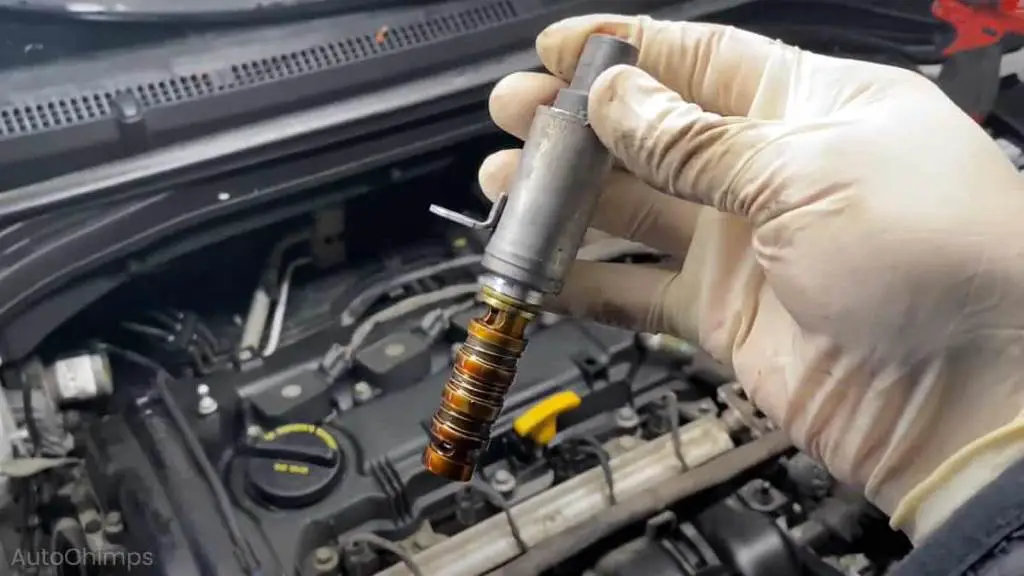
Additionally, if your oil control valves are difficult to access, the labor cost may be higher. In addition to replacing the OCV and VVT solenoids, the following expenses should be considered:
- Diagnostics ($50 to $150) – Charged by a mechanic to diagnose and identify the current problem (not always relevant). This often covers the costs associated with retrieving error codes and evaluating the OCV.
- Oil Change and Filter Replacement ($40 – $150) – If the OCV fails due to burnt, contaminated, or old oil, flush it as well. Then, add new oil to your car and replace the oil filter. This will facilitate the removal of sludge from the oiling system.
Oil Control Valve FAQ
- Can you drive a car with a faulty OCV?
Even if your car’s VVT solenoid is broken, you can still drive it, but it won’t be enjoyable. This failure can lead to various operational issues, such as irregular idling or slow acceleration, depending on the circumstances.
Regardless of the symptoms, the engine will not operate optimally, which will significantly increase fuel consumption. Unattended VVT faults can eventually cause further engine damage.
- Can engine knocking be caused by bad oil control valves?
Yes. If one or both of the engine’s VVT or OCV solenoids malfunction, the engine may start knocking and pinging.
This will occur if a VVT issue makes the air/fuel mixture so lean that it ignites during combustion. If your car’s engine is knocking, you should not drive it because pre-ignition can be very harmful.
- How long do VVT solenoids and oil control valves last?
The level of production and maintenance of the valves affects the lifespan of the oil control valve or VVT solenoid. The oil control valve typically lasts between one and three years.