
A New Era for Solar Energy on French Roads
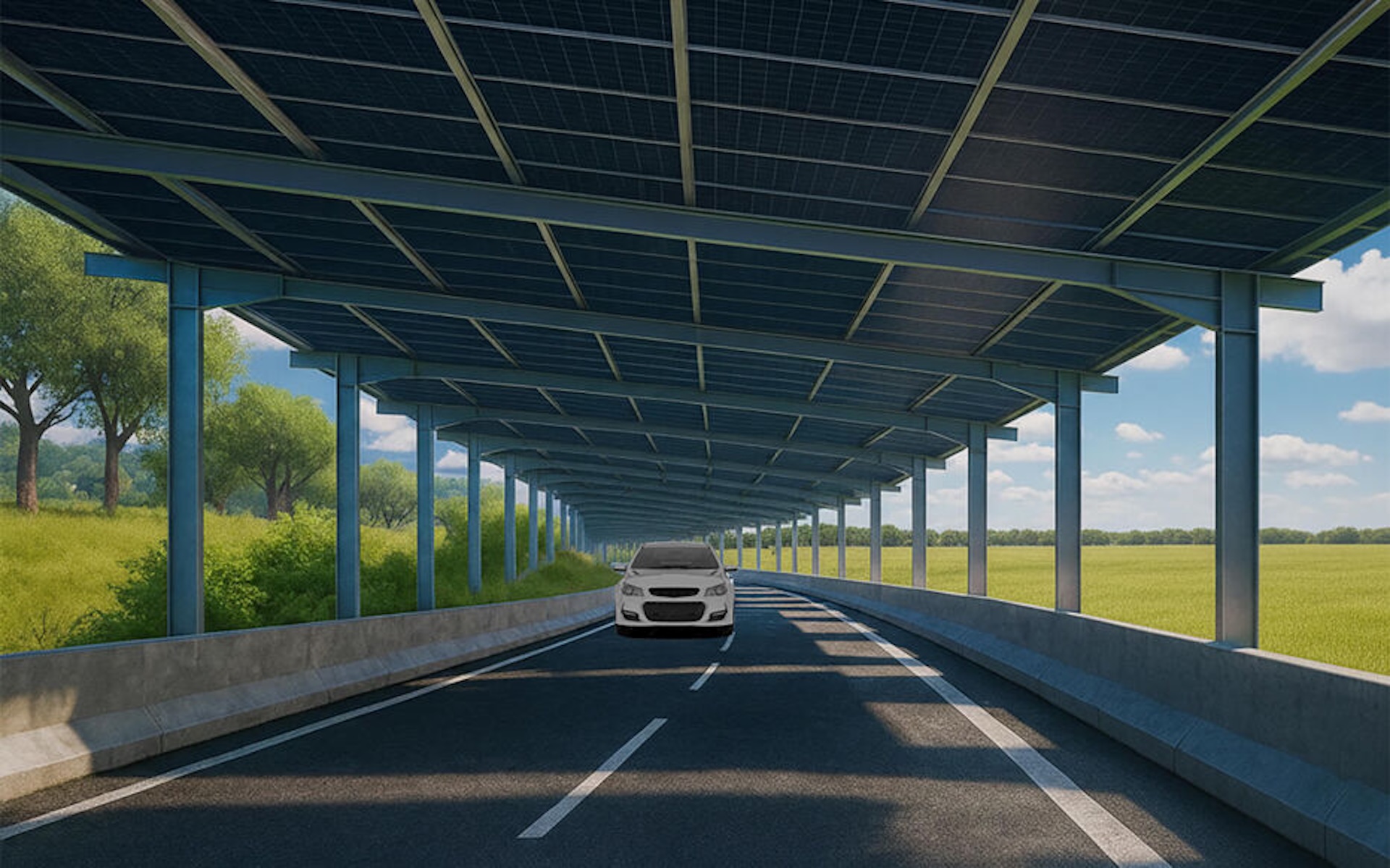
In a bold move for renewable energy infrastructure, the Corrèze department in France is set to become home to one of the most ambitious solar projects of its kind. Rather than embedding panels in the road surface, engineers will construct a vast photovoltaic canopy, stretching over 52,000 square meters to cover a section of highway. This innovative approach sidesteps the technical challenges faced by earlier road-integrated solar experiments, promising greater efficiency and durability.
Engineering a Sustainable Future
The project involves building a sturdy overhead structure that will shield the roadway while harnessing sunlight. This dual-purpose design generates clean electricity without consuming additional land, a key consideration in sustainable development. The canopy’s scale is unprecedented for this application in France, representing a major step in transforming transport corridors into active power generators. The energy produced will feed directly into the local grid, contributing to regional energy independence and carbon reduction goals.
Beyond Energy Generation
The benefits of the solar canopy extend beyond pure electricity production. The structure will provide shade for the road surface, potentially reducing the urban heat island effect and minimizing thermal degradation of the asphalt, which could lead to lower long-term maintenance costs. Furthermore, it opens discussions about the multifunctional use of public infrastructure, setting a precedent for future projects that integrate renewable technology seamlessly into our everyday environment.
This initiative in Corrèze is more than a local energy project; it is a significant test case for a scalable model of solar integration. Its success could pave the way for similar installations across France and Europe, demonstrating how existing infrastructure can be leveraged to accelerate the transition to a greener economy without compromising functionality or safety.