
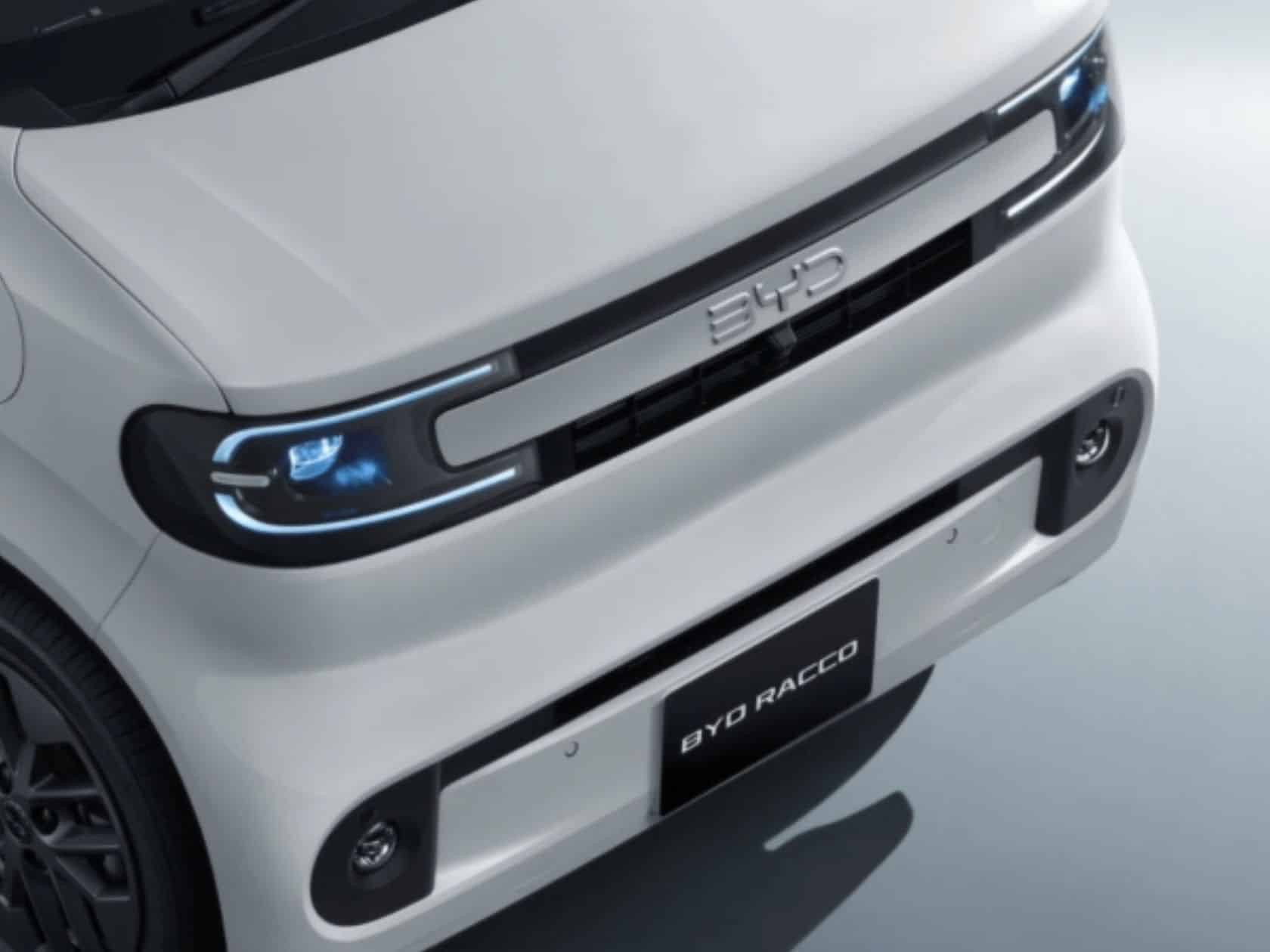
The Rise of Electric Urban Mobility
European cities are witnessing a transportation revolution inspired by Japan’s kei car concept. These compact electric vehicles are redefining urban mobility by combining Japanese efficiency with European sustainability standards. Originally designed for Japan’s narrow streets and parking limitations, these mini-EVs now offer European drivers an intelligent solution to congested city centers and emission restrictions.
Design Innovations and Space Efficiency
The European electric kei car represents a masterclass in spatial engineering. Despite their compact dimensions, these vehicles maximize interior space through clever design features like sliding doors, elevated seating positions, and foldable rear compartments. The lightweight construction not only extends battery range but also reduces energy consumption, making them exceptionally efficient for daily commutes and urban errands.
Environmental Impact and Urban Integration
These miniature EVs are making significant contributions to urban sustainability. Their small batteries require fewer raw materials to manufacture, while their energy efficiency translates to lower overall electricity consumption. City planners are increasingly recognizing their potential to reduce traffic congestion and parking demands, with some municipalities considering special privileges for ultra-compact electric vehicles in restricted zones.
Market Adaptation and Consumer Appeal
European manufacturers have successfully adapted the kei car concept to meet local preferences and regulations. While maintaining the compact footprint, they’ve incorporated enhanced safety features, improved battery technology, and connectivity options that appeal to modern urban drivers. The affordability factor combined with lower operating costs makes these vehicles particularly attractive to young professionals, students, and urban families seeking practical transportation solutions.
Future Prospects and Urban Transformation
The integration of electric kei cars into European urban landscapes signals a broader shift toward right-sized mobility. As cities continue to implement stricter emission regulations and congestion charges, these compact EVs offer a practical pathway to sustainable urban transportation. Their growing popularity demonstrates that environmental consciousness and urban practicality can coexist, potentially reshaping how European cities approach personal mobility in the decades ahead.