
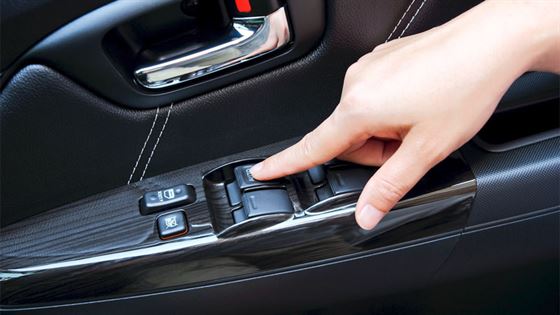
Power windows not working. Nothing is more annoying than getting into your car on a scorching hot day, pressing the button, and realizing that your power windows won’t go down. Or worse, it’s raining and you can’t get the windows back up!
Before resorting to further smashing of the unresponsive buttons or manually forcing the window and potentially damaging the gears, read this first. We review the 10 most common reasons why your power windows fail and whether there’s a quick DIY fix or if it’s time to see a mechanic.
Common Causes of Power Window Malfunction
There are several reasons why your car’s windows may stop working. If you don’t hear or see any movement when you press the button, the problem is likely electrical rather than mechanical.
Here are some of the possible issues to check should this happen to you.
1) The Window Lock Button is Engaged
One of the simplest reasons your power windows aren’t working is that the window lock button is activated. This safety feature disables all passenger windows, preventing children from playing with them.
Check if the lock switch is pressed on the driver’s door. This button may have been accidentally placed in the locked position without you realizing it.
How to Fix: Fixing this issue only takes a few seconds: simply press the window lock button on the driver’s door to unlock the setting. Try your power windows again and they should now work properly again. Performing regular checks of the lock buttons can prevent future power window problems.
2) Bad Window Regulator
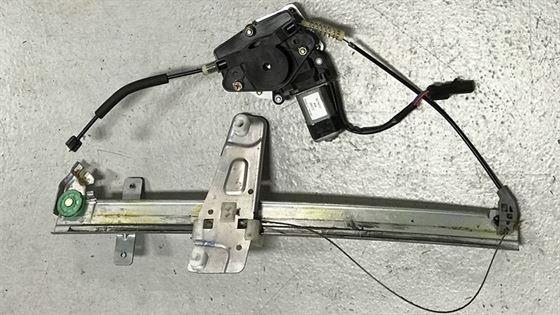
The mechanism that raises and lowers a power window is called a window regulator. Each car door equipped with a power window has a window regulator to move it. It is connected via cables to a power window motor.
If the regulator fails , pressing the up or down button will not move the window. Excessive wear can cause slow cracking and breaking of regulator components, such as plastic gears, over time, or a misaligned regulator.
How to Fix: Replacing worn window regulators. Although regulators can be repaired by a mechanic, the cost of professional repair may be equal to or greater than replacing them.
3) Bad Fuse
If all four windows are stuck and won’t move, the window regulator fuse is likely the cause. In this case, when you press any of the window switches, nothing happens – you won’t hear any motor and the window won’t shudder as if trying to move.
How to Fix: Consult the owner’s manual to see which fuse powers the windows, then replace it.
4) Bad Window Motor
Power windows require a motor to provide electrical power to move the window up and down. At the end of the window motor is a gear that connects to the window regulator mechanism.
When you press the up/down buttons on your door, it activates the motor. This powers the regulator so it can move the window. If the motor is faulty, the regulator will not have the power to move.
You may be warned that the motor is starting to fail if the window occasionally moves slower than normal when going up. This gradual change in performance can precede a complete motor failure.
How to Fix: The solution for a faulty power window motor is either to repair it or install a complete replacement unit. Repair involves disassembling the motor to service the internal components, which requires some expertise. Completely replacing the motor is a simpler solution and a fairly straightforward DIY task.
5) Snow and Ice

If you live in an area where the weather is often snowy and icy, this can impact the operation of power windows. Windows can freeze when ice forms between the glass and the window frame.
Regulators may not have enough strength to force the window open if it is frozen. Even if it’s possible to force it initially, over time, the regulator will wear out faster due to the strain. Repeated cycles of the glass freezing and the need to force it open put more pressure on the power window components.
How to Fix: Avoid forcing frozen power windows open or closed. Instead, use a hairdryer or other heating device to gently melt the ice on the edges.
Check if any clumps of snow or ice remain stuck in the window seals that could still hinder movement. Clean them by hand, using a plastic tool if possible to avoid scratches. Apply lubricant to restore proper operation. Keeping window seals clean and lubricated will help prevent snow and ice buildup.
6) Torn, Loose, or Dirty Window Seal
The window seal protects from wind and rain while helping to properly align the window. If the seal becomes sticky from debris buildup or moves out of its position, it can create extra friction against the window. The regulator motor may struggle to overcome this and move the glass.
It’s important to clean, lubricate, and replace window seals if necessary. If seal issues are ignored, water can leak inside the car . Maintaining the seals will allow power windows to operate optimally and avoid water damage inside the doors.
How to Fix: Carefully inspect the window seals for any cracks, missing pieces, loose areas, or signs of leakage. Immediately replace any visibly deteriorated sections so the damage doesn’t spread. Ensure the seals are properly aligned in their frames.
Clean dirty window and door seals using a mild cleaner and a microfiber cloth to prevent buildup. Periodically lubricate the seals and tracks to prevent sticking issues.
7) Bad Power Window Switch
The power window switch on the door can fail over time. Every time you use the switch to raise or lower the window, it wears out a little more. Frequent use or aggressive pressing of the switch accelerates wear.
Eventually, the switch may stop working properly. This is the best-case scenario for power window problems, as replacing a window switch is fairly inexpensive compared to fixing other potential issues.
Troubleshooting is also simple. Compare the window’s response when using the switch on each door versus the master switch on the driver’s door (making sure the child safety lock is not activated).
If only one switch doesn’t work, either that switch is faulty, or there may be a wiring fault between the switches.
How to Fix: Remove the panel covering the switch and inspect the connections for loose plugs or damage. Clean any dirt, corrosion, or foreign objects present. If the power window switch terminals seem functional, replace the entire switch. Install a new identical OEM factory switch to restore window control functionality from that location.
8) Wiring Problems
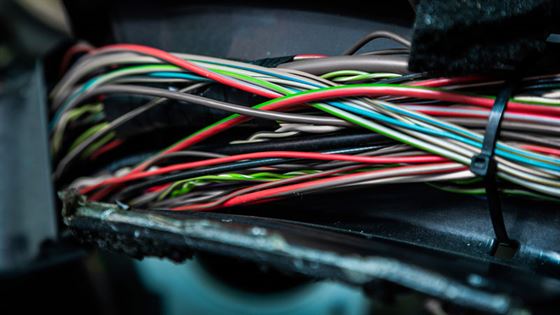
A set of wires connects the window switch to the motor. Although rare, wiring problems in the door can occur.
For example, if power window components were recently repaired, a mechanic may have inadvertently damaged the wires. In this case, make another trip for the mechanic to fix it.
You can also open the door panel and follow the wires from the fuse box to the switch, checking for any loose or corroded wires.
Before touching any wiring, always disconnect the battery first to avoid shock. It’s wise to inspect the condition of the wires and connections along the path to the switch to check for potential wiring faults affecting the power windows.
How to Fix: It’s generally best to leave this task to the pros. But if you’re confident in your abilities:
Use a wiring diagram to methodically check every inch of wiring between the switches, fuses, regulators, and motors. Look for rubbing, bare wires, corrosion, breaks, melted areas indicating short circuits, or other physical damage likely to cause disruption.
Check connectors and terminals for any play or resistance using a multimeter. Any suspect wires will need to be spliced or replaced completely. Reconnect wires properly and replace damaged insulation like electrical tape. Test window operation before sealing everything up.
9) Damaged Door
For the power window to function correctly, the alignment of the window rails must be proper. Damage to the door from a collision or a loose bolt can disrupt the alignment, causing issues such as the window jamming or the door’s inability to close completely .
Maintaining good rail alignment allows the window regulator to smoothly lift and lower the window. But if the rail’s position changes due to door damage or loose mounting hardware, the regulator will struggle to move the window, leading to jamming or an inability to completely seal the door.
How to Fix: Carefully inspect the affected doors and surrounding areas for any visible damage interfering with the smooth movement of the windows. Check the window for smooth up and down operation without any catching on the edges.
For minor alignment issues, adjust the regulator and motor mounts to avoid binding and friction. Lubricate restricted areas. If deformation prevents electrical or mechanical operation, door or frame replacement may be necessary. A body shop can better assess and remedy this type of significant damage for functional windows.
10) Dirty Window Tracks
The power window slides along metal tracks inside the door. These tracks can get dirty over time from road mud and debris, or the lubricant that keeps the window moving smoothly can dry out.
How to Fix: Thoroughly clean all window tracks, seals, and glass with mild soap and a microfiber cloth. Use a flat vacuum nozzle to extract debris packed into the hard-to-reach back parts of the window track.
Compressed air can also help dislodge accumulated sediment. Lubricate the now-clean track surfaces using silicone lubricant, graphite powder, or other designated lubricants to prevent recurrence. Be careful not to get silicone on the car’s painted surfaces. Wipe it off immediately to avoid damage.