
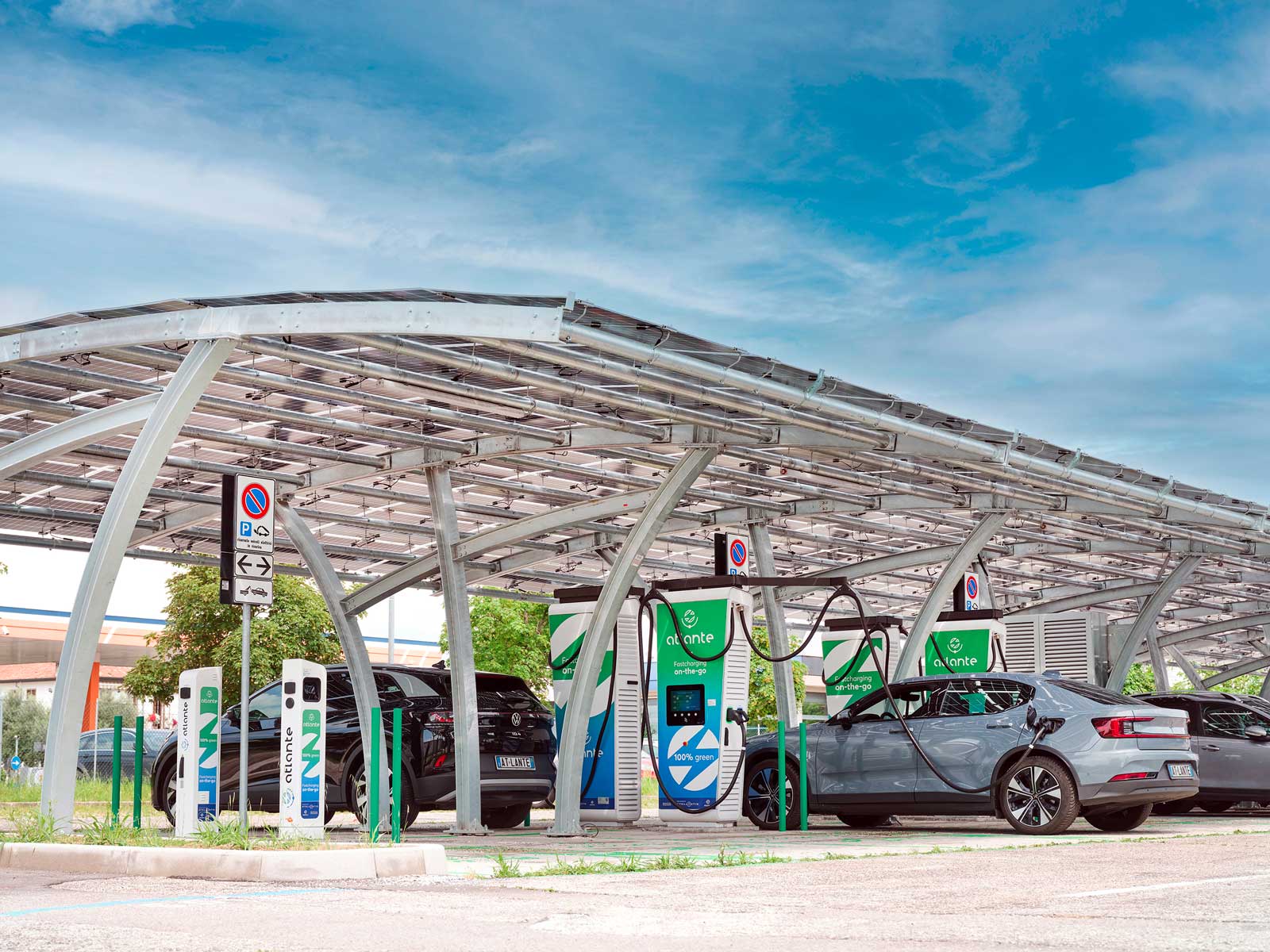
A New Era for EV Charging Costs
The electric vehicle landscape is witnessing an innovative promotional strategy that directly targets one of the biggest concerns for drivers: charging expenses. A novel “recharge matching” initiative is emerging, where for every paid charging session a user completes, the operator provides an equivalent charging credit for free. This model effectively functions as a buy-one-get-one-free offer for EV energy, promising to cut operational costs significantly and make electric driving more accessible.
How the Charging Promotion Works
The mechanism is designed for simplicity. An EV driver uses a compatible public fast-charging station, pays for the session via the operator’s app or RFID card, and upon completion, receives a credit for an identical amount of energy to use later. This model differs from traditional loyalty points, offering direct, tangible value that halves the effective cost per mile for participants. It encourages regular use of the operator’s network while providing immediate financial relief to the consumer, creating a powerful incentive for brand loyalty in a competitive market.
Potential Impact on EV Adoption
Such aggressive promotional offers could serve as a catalyst for broader electric vehicle adoption. By directly addressing range anxiety and cost parity with internal combustion engines, these schemes lower the perceived barrier to entry. The psychological benefit of “free” energy after a paid session can make the overall ownership experience feel more economical and rewarding. This approach not only benefits current EV owners but also presents a compelling case for prospective buyers evaluating the total cost of ownership.
The Future of Charging Network Competition
This promotional model signals a shift in how charging networks might compete for customers. Beyond reliability and speed, value-added propositions and direct cost savings are becoming key differentiators. As infrastructure expands, operators may increasingly use such creative financial incentives to build a stable customer base and ensure high utilization rates of their stations. This trend could lead to more consumer-friendly innovations across the industry, ultimately accelerating the transition to sustainable transportation.