
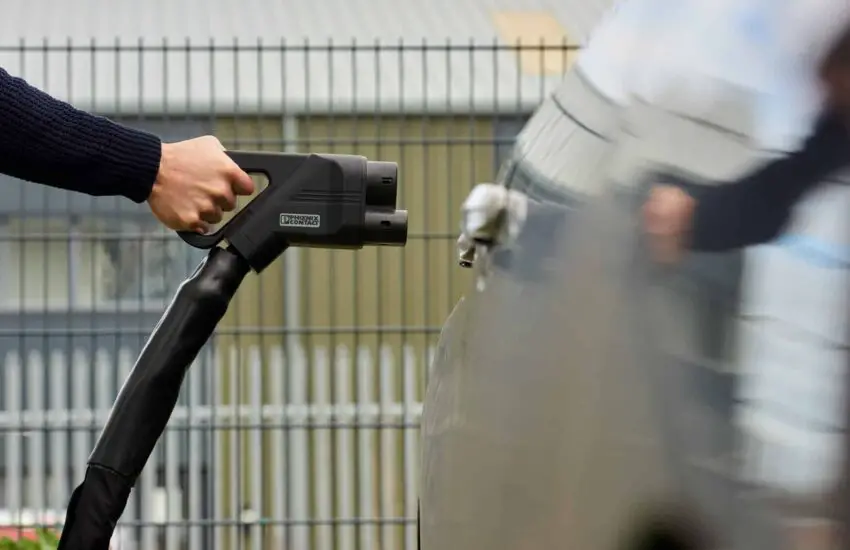
The Rising Threat to EV Infrastructure
The theft of electric vehicle charging cables is an emerging challenge for the growing EV ecosystem. While still a niche crime, its increasing frequency threatens user convenience and undermines confidence in public charging networks. Proactive measures are essential to curb this trend before it becomes a widespread issue.
Why Charging Cables Are Targeted
Cables contain valuable copper wiring, making them attractive for illicit scrap metal sales. Their standardized connectors and often exposed placement at public stations present relatively low-risk opportunities for thieves. This crime directly impacts drivers, who may find themselves unable to charge, and operators, who face repair costs and service downtime.
Practical Solutions for EV Drivers
Vehicle owners can adopt several strategies to mitigate risk. Using a dedicated cable lock is a primary deterrent. When possible, choosing well-lit, high-traffic charging locations during active hours reduces vulnerability. For home charging, storing the cable securely in the vehicle’s frunk or a locked garage when not in use is recommended. Awareness and simple precautions significantly lower the likelihood of becoming a target.
Technological and Design Countermeasures
For network operators and manufacturers, innovation is key. Solutions include cables with locking mechanisms that engage automatically with the vehicle or charger. Tamper-proof designs using cut-resistant materials and embedded tracking technology are in development. Station design can also integrate secure cable retraction systems or monitored enclosures, making theft more difficult and traceable.
A Collective Approach to Security
Addressing this issue requires collaboration. Standardizing more robust security features in cable and charger design is a long-term goal. In the interim, combining driver vigilance with operator investment in secure hardware and strategic station placement forms the most effective defense. Protecting this critical infrastructure ensures the reliability and growth of electric mobility for all users.