
A Costly Crime Wave Targets EV Charging Stations
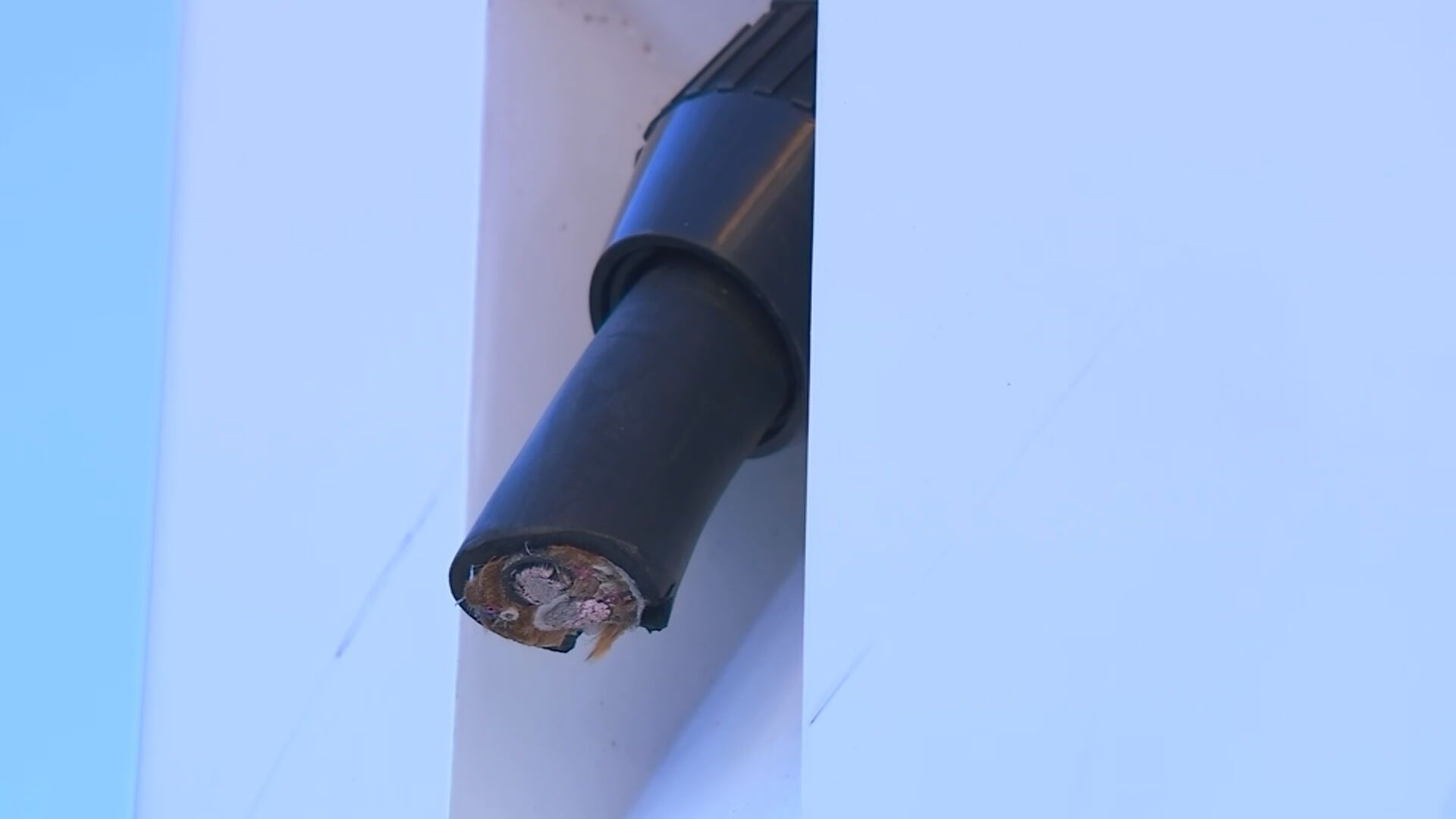
A surge in thefts is crippling electric vehicle (EV) charging infrastructure across France. Criminals are systematically targeting charging stations, not for the expensive hardware itself, but for the high-value copper contained within the cables. This specific form of delinquency is creating a major operational and financial headache for network operators and severely inconveniencing EV drivers.
The Lucrative Lure of Copper
The primary driver behind this epidemic is the soaring market price of copper. Thieves sever the heavy-duty cables from public charging points, often using bolt cutters, to strip and sell the metal as scrap. While the stolen copper may fetch a relatively small sum on the black market, the damage inflicted is disproportionately large. Each incident results in the temporary loss of a critical charging point, undermining public confidence in the reliability of the EV network.
Operational and Financial Fallout
For charging operators, the consequences are severe. The cost of replacing a single high-power charging cable can run into thousands of euros, far exceeding the value of the raw material stolen. This expense is compounded by labor costs for urgent repairs and lost revenue from out-of-service stations. The logistical challenge of securing replacement parts and deploying technicians across widespread networks further strains operations, slowing the essential expansion of charging infrastructure.
Undermining the Electric Transition
Beyond the immediate financial impact, this crime wave poses a direct threat to national and European green mobility goals. A reliable and ubiquitous public charging network is fundamental to encouraging widespread EV adoption. When drivers encounter vandalized and inoperable stations, it fuels “range anxiety” and skepticism about the practicality of electric vehicles. The thefts effectively sabotage a key pillar of the energy transition, creating a tangible barrier to reducing transportation emissions.
Operators are now forced to invest significant resources into security measures, from enhanced surveillance and improved lighting to the exploration of cable-retraction systems and tamper-proof designs. These necessary investments, however, ultimately divert funds that could have been used for network growth and innovation, highlighting the profound ripple effects of this targeted crime.