
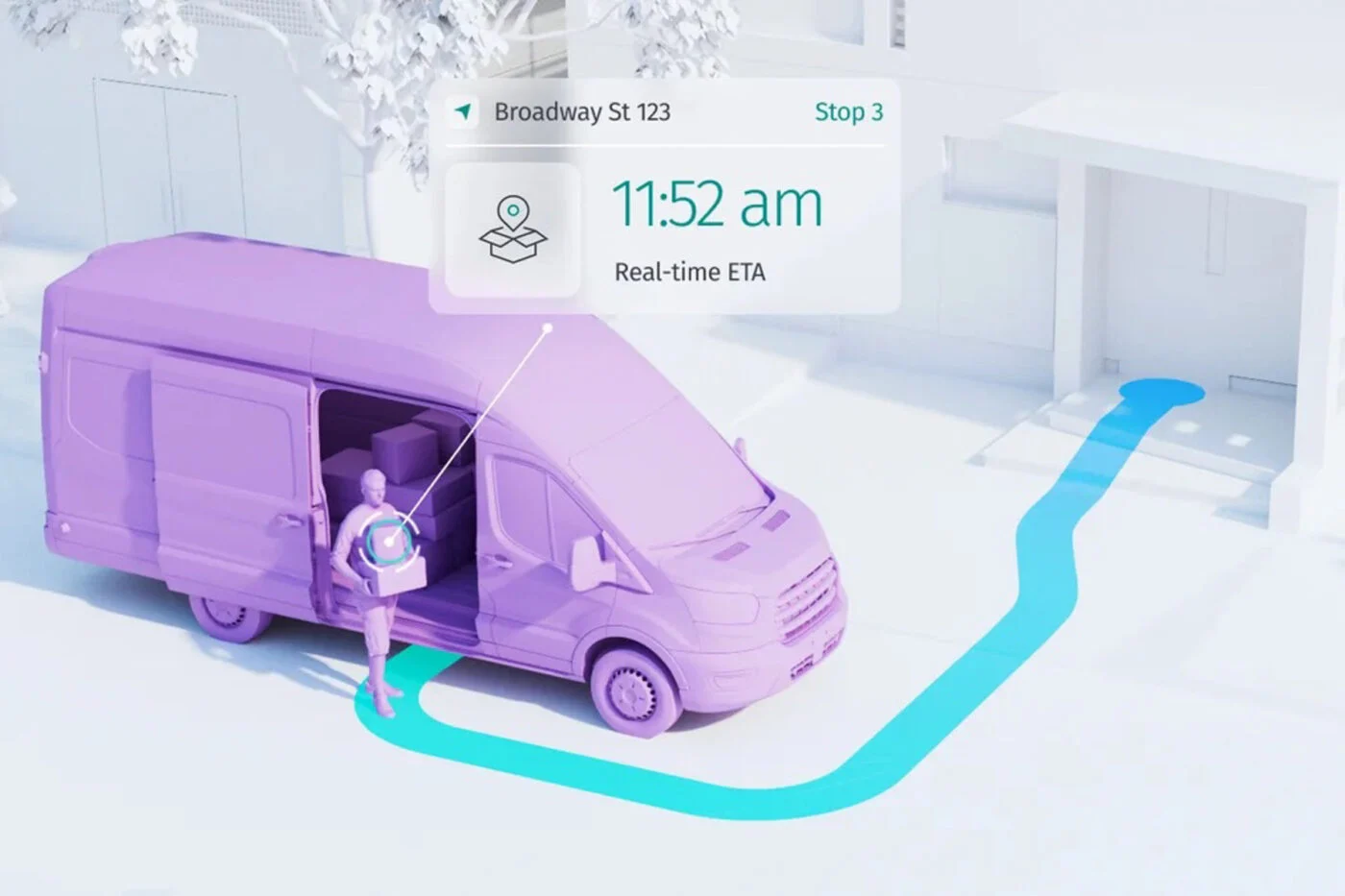
Mastering the Electric Last Mile
The rapid shift to electric delivery vehicles is transforming urban logistics. While essential for sustainability, this transition introduces new complexities for fleet managers. Range anxiety, charging logistics, and varying vehicle capacities must now be integrated into daily route planning. Successfully navigating this change is not just an operational upgrade—it’s a critical competitive advantage in the fast-paced world of last-mile delivery.
Beyond Simple Route Planning
Optimizing for an electric fleet requires a more sophisticated approach than traditional route planning. It involves a dynamic balance between delivery windows, real-time traffic data, and the specific energy consumption profiles of each vehicle. Factors like cargo weight, topography, and even weather conditions can significantly impact battery drain. Advanced optimization algorithms can process these variables to create the most efficient sequence of stops, ensuring drivers complete their routes without risking a depleted battery.
Integrating the Charging Infrastructure
A truly optimized system doesn’t end with the route. It seamlessly incorporates charging station locations and availability into the planning matrix. The smartest strategies may involve scheduling mid-route top-ups during mandated driver breaks or leveraging depot charging during off-peak hours for lower energy costs. This holistic view of vehicles, routes, and energy logistics is where major efficiency gains of 20% or more are realized, reducing both operational costs and environmental impact.
The Path to Sustainable Profitability
The ultimate goal of electric delivery optimization is to achieve sustainable profitability. By minimizing unnecessary mileage, reducing energy consumption, and maximizing the number of successful deliveries per charge, companies can see a rapid return on their electric vehicle investment. This efficient model not only meets growing consumer demand for green logistics but also future-proofs operations against increasing urban access restrictions for combustion-engine vehicles.