
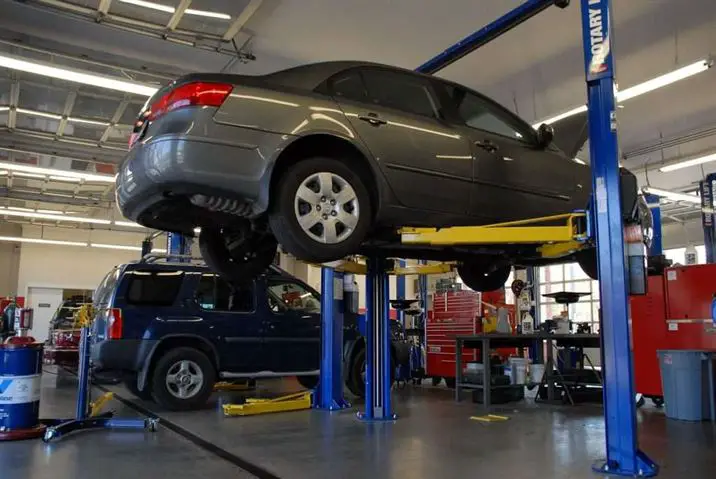
Just as we take care of ourselves, eat properly, and stay fit, the same basic concepts apply to keeping our cars in the best possible condition. It’s always painful to have to dip into savings to pay for car repairs, and even more difficult lately with the performance of the economy. But to ensure we maintain the value of our cars (perhaps your most important asset) and minimize repair costs, here are some simple and easy-to-remember tips to keep your car in good condition.
10 Car Tips: How to Keep Your Car in Good Condition.
Owning a favorite car for work as well as for long trips is no longer too difficult. However, while driving, car owners sometimes forget an extremely important step, which is to care for and maintain the car to help it always operate under the best conditions and extend the vehicle’s lifespan. The consequences are that your car deteriorates quickly, is likely to damage important parts, leading to costly repair bills, a loss in the vehicle’s value, and no longer ensuring safety for long journeys.
It’s a fact that no vehicle can last long without periodic care and maintenance. Even the most reliable cars. So how do you keep a car in good condition? Pocket the following 10 tips to keep your car shiny like new and save on many unexpected costs.
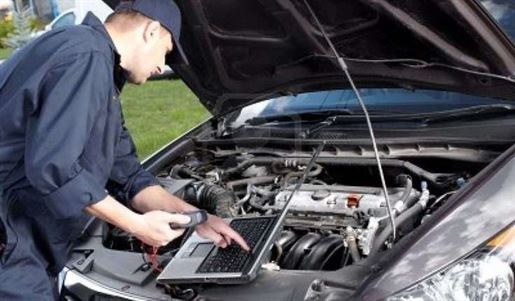
1. Check Your Oil
Oil is the lifeblood of your car, and without it, the car won’t go far or quietly. After a period of use, the oil will become dirty and won’t lubricate as well as the original. Therefore, regular oil changes are essential for your car to continue running properly and more durably. The engine oil level, transmission fluid, power steering fluid, and brake fluid should be checked regularly. If you don’t remember the last time you changed your car’s oil, do it immediately.
Ask your mechanic to show you how to properly check your oil and have the oil changed every 3,000 to 3,500 miles. While oil manufacturers claim their oil can last 10,000 miles, it’s generally best to use the same oil for a maximum of 5,000 miles to maximize the engine’s long-term reliability and efficiency. Check the oil regularly, about once a week, and change it or have it changed when you reach the 4,000 to 4,500 mile (6,400 to 7,200 km) limit.
Remember that periodic oil checks are key to your car’s “health.” The easiest way to check the oil is to do it directly at home. Using a clear plastic container or a dipstick, the antifreeze can be pink, green, or yellow. If you see a brown color, the oil must be changed immediately.
Note: before replacing the oil, you should start the car and let it run for a few minutes to warm it up, then turn off the engine, then use the dipstick to check the oil level to see if the oil level is low or possibly needs renewing.
2. Keep the Brakes in Good Condition
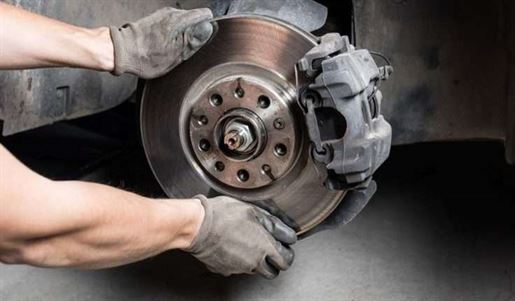
When traveling by car, drivers must pay attention to whether the car’s braking system is working well or not. And this should become a habit because the brake is a very important component. It takes on the task of protecting your life and that of the car’s passengers. Modern car braking systems are designed to be replaced periodically to maintain maximum braking efficiency. If you notice any problems with the brakes, take your car to have the brakes checked immediately. If the brakes fail, you could have a very serious accident.
3. Pay Attention to Warning Lights and Regular Car Maintenance
To protect your car, you must first understand it and, most importantly, detect abnormal alerts in your vehicle. Strange noises, smells, or anything unusual are some of the signs that your vehicle needs to be taken to a garage for repair.
If the warning lights on your car’s dashboard come on, call your trusted mechanic. (You can also consult your handy owner’s manual – “learning the basics about your car and the repairs it needs will help you build a rapport and show your mechanic that you know what you’re talking about.). Delaying a repair could cause irreparable damage to the car and result in a painfully more expensive repair.
To detect unusual signs earlier and take timely preventive measures, we recommend periodically entrusting your vehicle to a reputable mechanic for maintenance. Most car owners don’t place much importance on scheduling maintenance for their car. This causes your car to become increasingly degraded without you even knowing it.
If your vehicle is under warranty, be sure to take it to a service workshop for timely maintenance. Usually around 3,000 to 5,000 km or every 3 to 6 months. Furthermore, some parts need to be replaced over time, not based on mileage. Please ask the technician to check several items such as the lubricating oil filter, as well as the flywheel seals, the ball joints… to ensure your car is still running stably.
4. Don’t Ignore Your Tires
The condition of the tires greatly affects safety, which is why tires must be used in the best condition to ensure safety and save money on every repair. Whether you like it or not, according to manufacturer and expert recommendations. Car tires, after traveling approximately 40,000 km to 50,000 km, will undergo technical changes. To ensure the best safety, it is recommended to replace the tire if your tire has reached this period; in the case where the tire is found to be cracked before even reaching the aforementioned limit, the car owner should consider a replacement option for the safety of the vehicle owner on every upcoming trip.
You must ensure you regularly check the tire pressure and inflate to the pressure specified by the manufacturer. Additionally, tire rotation is a very important step to make your tires last longer. This will help the car operate more balanced and with better anti-skid properties.
Checking car tires will be much more convenient for some modern cars equipped with a tire pressure monitoring system and tire information on the central dashboard. Conversely, the driver must equip themselves with a tire pressure gauge if the vehicle does not have this system. And regularly monitor its standard pressure parameters for each tire, usually posted on the driver’s side door jamb.
5. Keep the Bodywork Intact
How do you keep your car’s bodywork as shiny as new? It’s simple. Sometimes you realize that even though most people don’t appear unkempt in public. The aesthetic aspect of our car is also essential. Simple things, like keeping your car washed regularly, waxing it, and making sure dents and dings are taken care of, will better preserve your vehicle’s value and avoid long-term problems like rust and discoloration.
Protecting the car’s paint is one of the extremely important elements in keeping your car’s bodywork intact, especially when you’ve just bought a car and need to know how to keep it shiny and durable. The beauty of a car depends mainly on the exterior paint color, which not everyone knows about and protects correctly. If not well maintained, the car is prone to discoloration and aging.
6. Keep the Interior Clean
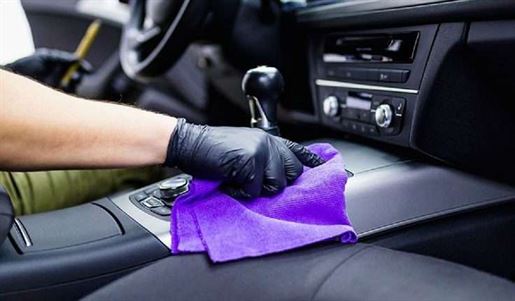
After a process of about 6 to 8 months, cars will have a thick layer of dust clinging to every corner of the car. The car’s interior, although located in an enclosed space, is still attacked by these tiny dust particles. This has caused the car to lose its aesthetics and created a bad odor that affects the health of the car’s occupants. In this case, clean and vacuum the interior as needed. As we know, the interior of a car has many details and nooks, which can sometimes be difficult to clean.
Therefore, whether it’s effective or not depends on the car owners. If the meticulous person knows how to choose specialized tools and chemicals for cars to avoid damaging the interior parts of the car. In addition to cleaning the interior. You should deodorize the space inside the car so that it is always fresh and gives a pleasant feeling throughout the journey.
The interior is often a selling point when it comes time to trade in or sell the car. While many don’t care about the oil or tires. If the CD player doesn’t work or the interior looks a bit dirty, the deal is off. It is said that the car’s value is preserved in the cabin, and this statement is true. If you ever want to trade in the car or sell it, every quarter spent on vacuuming will be returned to you with interest!
7. Check the Lighting System
The car’s lighting system not only ensures road safety but also contributes to the aesthetics and value of the car’s exterior. In addition to lighting, this system is also responsible for notifying and providing signals. Therefore, vehicle owners must pay special attention to signs of malfunction in the vehicle’s headlights. Faulty or damaged car lighting systems can lead to risks of dangerous driving, as well as inconveniences during use.
If other parts of the vehicle such as the engine, oil filter, tires, air conditioning, etc., have periodic maintenance schedules (e.g., every 5,000 km or 12 months). The lighting system generally only needs repair when it malfunctions. Therefore, to ensure that the car’s headlights operate stably and minimize unexpected incidents. Vehicle owners must remember to check the lights every time they start the car and regularly monitor the operating status of the system. If you notice the lights are slow, flickering, dimly lit, or flashing frequently. You will likely need to check the lighting system (wires, relays, fuses, bulbs, …)
8. Ensure the Windows and Wiper Blades are Clean and Functional
Periodically check all door and window systems and replace damaged parts as soon as possible, for example, by detecting cracks in the glass. A single hole or crack in the windshield is dangerous for the vehicle’s occupants.
Especially for wiper blades, visibility is guaranteed to be good or not depending on this small part. Its role is very important in cleaning the windshield. After 1 year to 1 and a half years of use, it should be replaced once, preferably before the rainy season. While driving, if the wiper blade vibrates, makes noise, or doesn’t clean properly. The driver should check the rubber blade and replace this part with a new one. Hot and humid weather will cause the rubber surface of the wiper blade to wear out and the pins to rust.
9. Keep the Engine Topped Up with Coolant
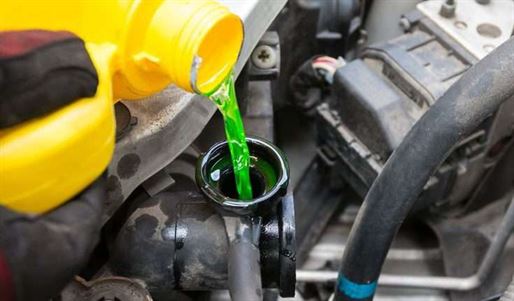
The engine coolant acts as a bridge to transfer heat from the engine to the radiator, meaning a car cannot operate stably without coolant. Naturally, a lack of engine coolant will cause the metal components inside the engine to expand. Because when the car is running, the heat generated by the engine is very significant, requiring coolant to manage this reaction.
To avoid altering the chemical components of the engine coolant. You should flush the radiator and refill the coolant at least once every 2 years. Or change this fluid after 40,000km (Depending on the level of use). Checking is very simple, open the engine compartment when the engine is cold and check the coolant level to ensure its level in the reservoir is between the “Min” and “Max” marks.
A small tip for detecting a car with a coolant leak is to observe. When the car is parked for a while, there is a small puddle of water under the car. If this happens, you should immediately take the car to the repair shop.
10. Limit Rust
Surely no car owner wants their car to appear rusty, which looks very unsightly. Therefore, you should not park in overly hot garages. A spacious and cool parking space will help you limit further risks. Additionally, you should also limit parking in the sun. If left in the sun for a long time, the paint will age, fade, or peel. In particular, the materials inside the cabin will also warp, leading to a loss of aesthetics and reducing the vehicle’s lifespan.
After driving in the rain, you should always wash your car when it’s in the sun to prevent the salt, acid, and dirt present in rainwater from rusting the car’s metal components.
Watch to learn how to make your car last a long time:
Final Thoughts
If it’s the first time we’re using a car, we can be very “confused” about maintaining and servicing our car. Not only newcomers but also those who have used cars a lot may not know how to care for their new cars in the most reasonable way possible. We hope this sharing will be useful for your car to keep running like new and as durably as possible. To conclude the topic ” How to keep your car in good condition? ” We want to share that every car