
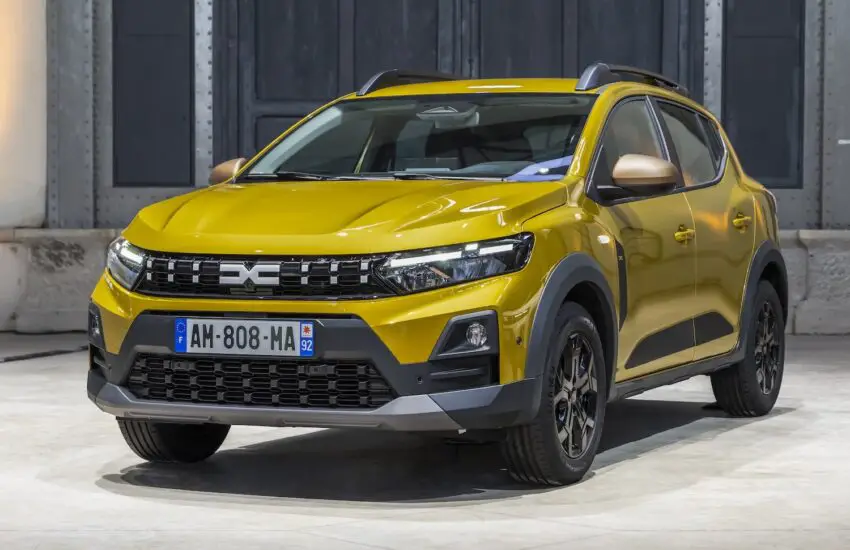
The Clio in Danger Against the Hybrid Sandero
The announcement is official: Dacia will market a hybrid version of its Sandero Stepway, equipped with the same engine as the Renault Clio. This strategic decision could well reshuffle the deck in the affordable compact segment.
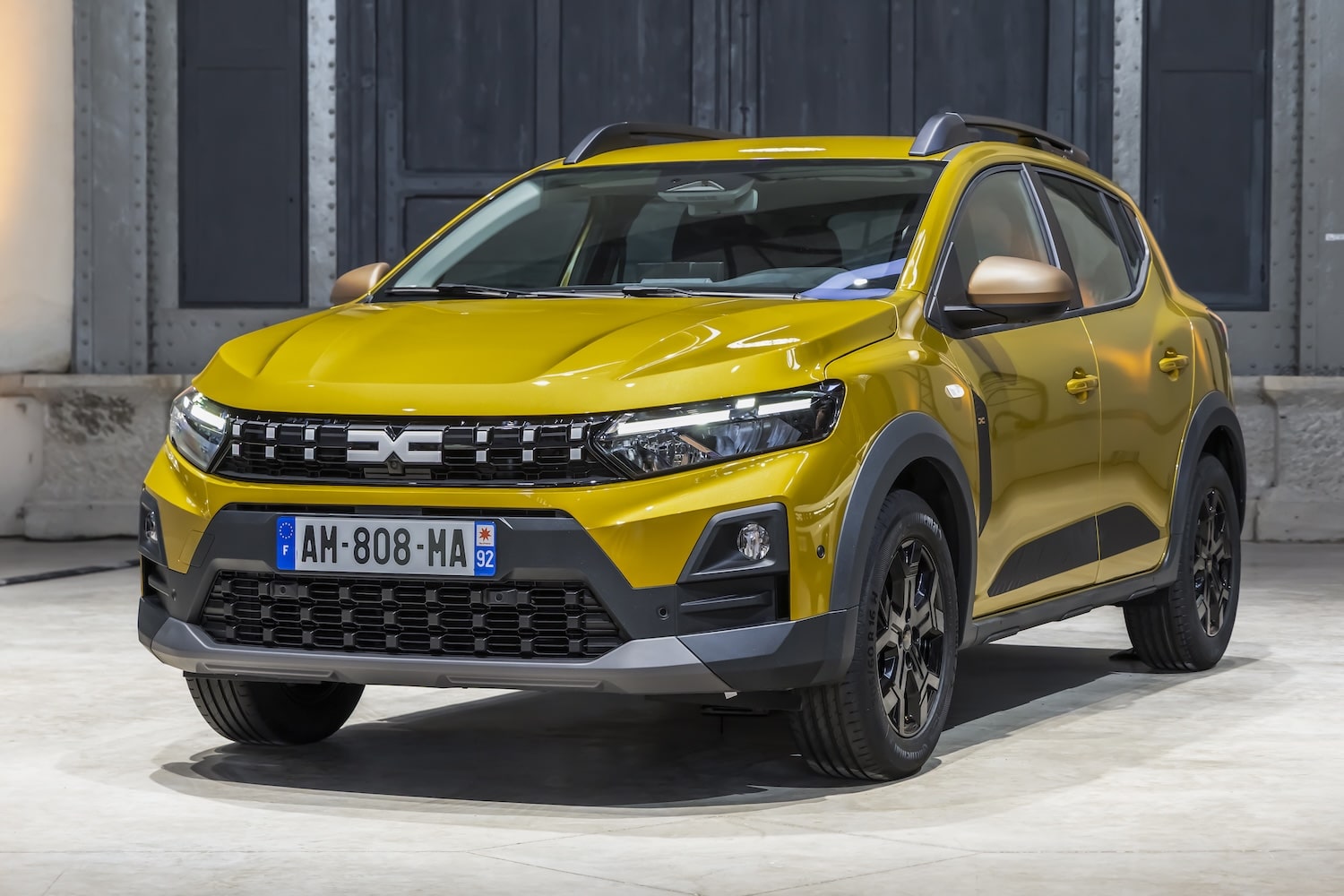
Proven Technology for the Sandero
The hybrid system that will equip the Sandero Stepway is identical to that of the Clio E-Tech hybrid. This technology combines a gasoline internal combustion engine with an electric motor and a lithium-ion battery. The system allows for more economical driving and significantly reduces CO2 emissions.
The shift to hybrid represents a major evolution for Dacia, a brand traditionally positioned on gasoline and diesel engines. This transition is part of the Renault group’s strategy to generalize electrified technologies across all its brands.
Competitive Advantages of the Hybrid Sandero
The hybrid Sandero has several advantages over the Clio. Its traditionally aggressive pricing strategy could allow it to offer hybrid technology at a lower price than its direct competitor. This approach perfectly matches Dacia’s philosophy: offering well-equipped vehicles at accessible prices.
The hybrid system is expected to offer sufficient electric-only range for daily urban trips, while maintaining the versatility needed for long journeys. The announced combined fuel consumption should be around 4.5L/100km, a particularly competitive figure in this category.
Impact on the Compact Car Market
The arrival of the hybrid Sandero could indeed represent a serious threat to the Clio. Buyers looking for an economical and ecological car will now have the choice between two models sharing the same technology, but with distinct marketing and pricing positions.
This internal competition within the Renault group could stimulate innovation and push both brands to continuously improve their offerings. Consumers will benefit with more efficient and better-equipped vehicles.
Expected Technical Specifications
The hybrid Sandero is expected to adopt the same technical configuration as the Clio, with a combined power output of around 140 horsepower. The transmission will be via a multi-clutch automatic gearbox, offering smooth and pleasant driving.
The lithium-ion battery, with a capacity of approximately 1.2 kWh, will recharge during deceleration and braking. The system allows for 100% electric driving at low speeds and over short distances, ideal for city traffic.
Design and Features
The hybrid version of the Sandero Stepway will retain the robust and adventurous design that has been key to its success. A few specific badges will allow for visual identification. The generous interior space and the large 328-liter trunk will remain major selling points against the Clio.
In terms of features, Dacia is expected to offer the same connectivity and driving aids as on current top-of-the-line versions. The focus will be on energy efficiency with dedicated screens for consumption monitoring.
Sales Outlook
The launch of the hybrid Sandero is scheduled for the first half of 2026. The first official presentations will take place at major European auto shows. Prices have not yet been announced, but they are expected to be positioned between the current gasoline and diesel versions.
This market entry coincides with the tightening of anti-pollution standards in Europe. The hybrid Sandero will allow Dacia to meet environmental requirements while maintaining its accessible positioning.
Conclusion
The hybrid Sandero represents an important step in the evolution of Dacia and the automotive market in general. By offering hybrid technology identical to the Clio’s at a potentially lower price, Dacia could indeed threaten the position of the French compact.
This internal competition within the Renault group demonstrates the acceleration of the energy transition in the automotive industry. Consumers will benefit from a wider choice of accessible electrified vehicles, which should help further democratize clean technologies.