
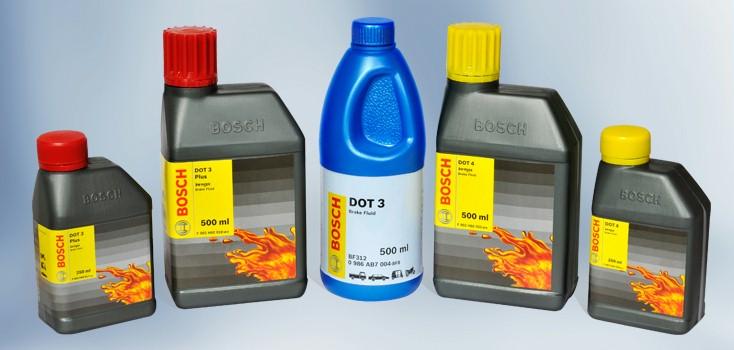
If you’re looking for the right brake fluid for your car, a comparison of DOT 3 and DOT 4 brake fluid will help you make a better decision.
What is the difference between DOT 3 and DOT 4 brake fluid?
Brake fluid is the lifeblood of the braking system. It keeps the braking components lubricated so they respond quickly when you press the brake pedal.
With the help of the fluid, the piston can comfortably compress the rotors to slow down the vehicle. DOT 3 and DOT 4 are the two most commonly used types in automobiles.
DOT 3 is the most common and popular type of brake fluid for trucks and cars. DOT 4 is also gaining momentum due to its compatibility with anti-lock braking systems and traction control.
The first is the standard, low-cost option for average cars where drivers are unlikely to brake aggressively.
But automobiles like race cars and police vehicles that require frequent and vigorous braking use DOT 4 fluid. Let’s discover a few more points of difference between DOT3 and DOT4:
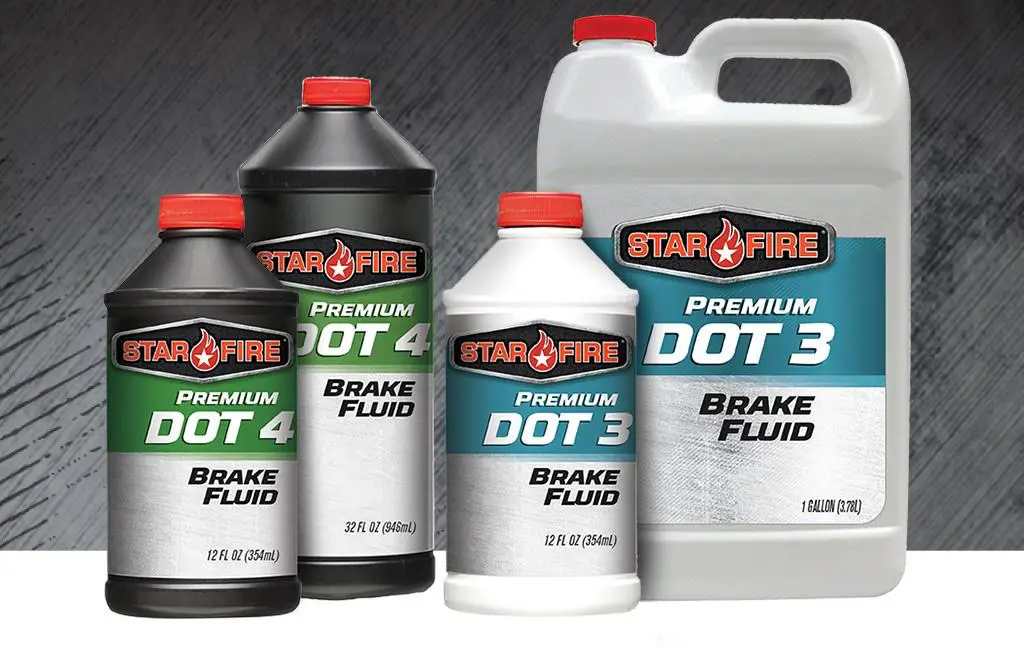
1. Boiling Point
The main difference between DOT 3 and DOT 4 is the boiling point – their tenacity to absorb water. DOT 3 is more likely to absorb water because its boiling point is lower.
For this reason, it boils easily during sudden and abrupt braking, which could damage the braking components and lead to poor braking performance.
DOT 4 fluid can easily replace DOT 3, but the latter should not be used as an alternative to the DOT 4 type unless absolutely necessary.
2. Chemical Structure
Another slight difference between DOT 3 and DOT 4 brake fluid lies in their chemical components. DOT 3 contains a mixture of ether and polyalkylene glycol, while a mixture of glycol and borate creates DOT 4 fluid.
The glycol-ether mixture holds up very well in hot and humid conditions, which is perfect for ordinary vehicles where brakes heat up easily.
On the other hand, the chemical ingredients of DOT 4 exhibit a high level of water tolerance and stability at high temperatures.
3. Boiling Capacity
DOT 3 is the winner in this section of the comparison between DOT 3 and DOT 4 brake fluid. It performs well in water and in open air because it has a wet and dry boiling capacity. DOT 4 has an excellent dry boiling capacity but it does not perform well in water.
Which one should you choose? DOT 3 or DOT 4 brake fluid? Well, the first is the best option if you drive a standard vehicle.
However, if it’s a race car or you enjoy aggressive driving, DOT 4 will take better care of the braking components.

Are there any precautions to take?
Yes, there are a few points to consider. Both types of fluid eat paint, so do not spill them on the car body. Furthermore, they may react poorly if mixed with other fluids used in a vehicle.
You must store the fluids in tightly sealed containers. Moisture from the air degrades their chemical components. Therefore, it is not safe to use brake fluid from an open bottle.
FAQ on DOT 3 and DOT 4 Brake Fluids
- Can I use DOT 4 brake fluid in a system designed for DOT 3?
You can generally use DOT 4 in a system designed for DOT 3. However, it is essential to flush and carefully replace all the old fluid to avoid compatibility issues.
- Can I mix DOT 3 and DOT 4 brake fluids?
Mixing brake fluids is generally not recommended. It is best to use a single type consistently to ensure proper performance and avoid potential compatibility issues.
- How often should I change my brake fluid?
Brake fluid should be changed according to the maintenance schedule recommended by your vehicle manufacturer, typically every 2 to 3 years. However, if you notice a decrease in braking performance or signs of contamination, it should be changed sooner.
- Can I use DOT 5 brake fluid instead of DOT 3 or DOT 4?
DOT 5 brake fluid is silicone-based and is not compatible with DOT 3 or DOT 4, which are glycol-based. Using DOT 5 requires a complete system flush and should only be done if your vehicle is specifically designed for it.
- Which brake fluid should I choose for my everyday vehicle?
For normal driving conditions, DOT 3 brake fluid is sufficient. Reserve DOT 4 for high-performance vehicles or those subjected to heavy braking demands.
- Can using the wrong brake fluid damage the braking system?
Using inappropriate brake fluid can potentially damage the braking system and compromise safety. Always use the type of brake fluid recommended for your vehicle to ensure proper performance and safety.
- Should I take special precautions when handling brake fluid?
Yes, brake fluid is corrosive and can damage paint and other materials. When handling it, wear safety glasses and avoid spilling it on your vehicle’s paint or any other surface. Additionally, store brake fluid in a tightly sealed container.
- Are there performance benefits to using higher-grade brake fluids, such as DOT 5.1 or racing brake fluids?
Higher-grade brake fluids, such as DOT 5.1 or racing fluids, offer even higher boiling points and improved resistance to brake fade.
These are typically used in high-performance and racing applications where extreme braking conditions are common. However, for regular daily driving, DOT 3 or DOT 4 brake fluids are generally sufficient.
Watch the video below to see the difference between Dot 3, 4, 5, and 5.1 brake fluids!
In conclusion, the choice between DOT 3 and DOT 4 brake fluid depends on your specific vehicle and driving needs.
DOT 3 is suitable for most everyday driving situations and is widely available and cheaper.
On the other hand, DOT 4 offers higher boiling points, making it more suitable for high-performance or heavy-duty applications, such as racing or towing.