
You are experiencing engine stalling, rough rides, loss of engine power, and unusual smells and noises coming from your engine. These are common symptoms of engine misfires, which occur when one or more components necessary for engine combustion deviate from their intended operation.
Engine misfire symptoms should not be ignored, as a misfiring engine will underperform and may be damaged over time, even if you might be able to drive for a while.
Your car will also experience reduced fuel economy and increased emissions, as the engine is forced to work harder to compensate for the cylinder(s) that are not functioning properly.
Learn how engine misfires occur, the common symptoms and causes of engine misfires, and how much it costs to repair a misfiring engine.
What a Misfire Feels Like and How It Happens
To better understand the symptoms and causes of engine misfires, you must first understand how a car’s engine works. The basics of engine operation will set the stage for explaining how it can misfire.
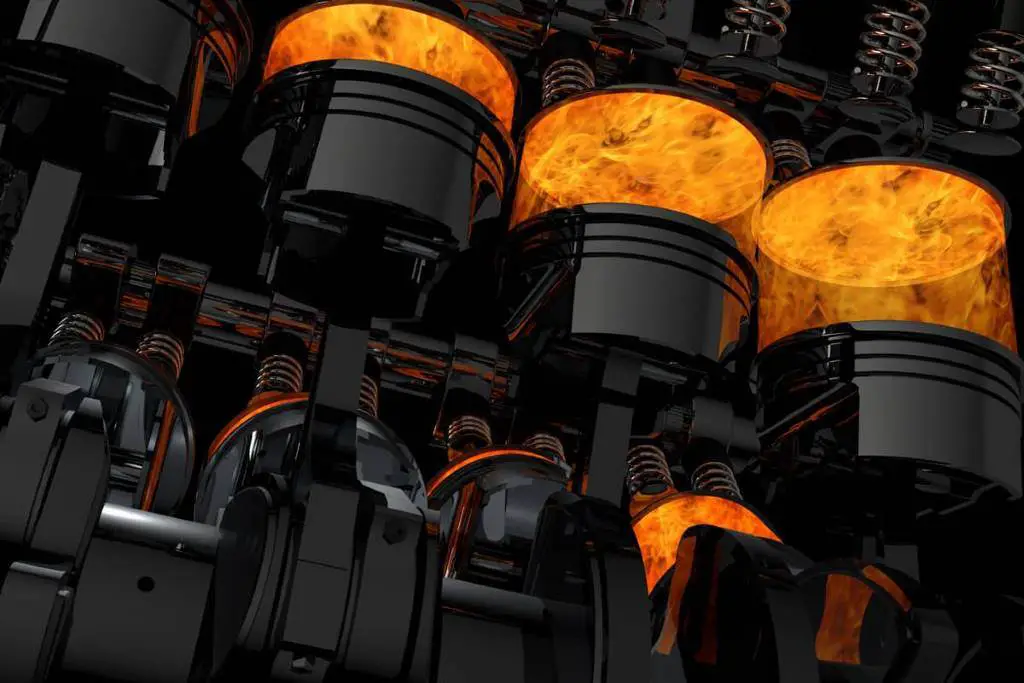
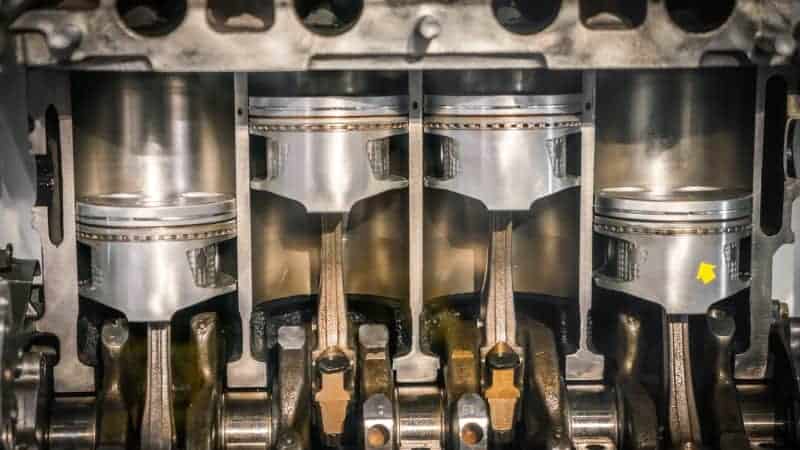
The engine block houses the engine cylinders, inside which the pistons move up and down, creating energy. The more cylinders an engine has, the more powerful it is. Engines typically have four, six, or eight cylinders.
A precise mixture of fuel and air is injected into the cylinder. The spark ignites, creating a small combustion or explosion that forces the piston down successively inside each cylinder.
This happens in each cylinder at slightly different times and at a precise moment. The energy generated by the combustion is transferred to the wheels via the crankshaft, which propels the car forward.
The entire process requires strict precision for the engine to function correctly. Even a slight deviation in one component would impact engine performance.
A misfire is what happens when one of the three components – fuel, oxygen, or spark – does not function at the right time. For example, if the air-fuel ratio is incorrect, the mixture may not burn at all or may explode prematurely.
Besides this incorrect timing, the problem can also come from the mechanical components of the system, such as the cylinder itself.
A misfire does not necessarily mean your car will stop running, and if only one cylinder is misfiring, the others may continue to operate normally. However, you will notice a significant slowdown in your engine’s operation.
Most Common Engine Misfire Symptoms
Loss of Power
There can be a palpable loss of power resulting from a vehicle running with fewer cylinders than normal. Another symptom is a brief hesitation in power delivery when you press the accelerator pedal.
Engine Noises
One of the most common engine misfire symptoms is a very noticeable noise coming from your engine. If you are familiar with the usual sounds of automobiles, you will notice when an abnormal sound occurs.
During a misfire, the engine will emit a sudden noise that can be described as a popping, sneezing, or backfiring sound.
A backfire occurs when unburned fuel exits the cylinder during the exhaust stroke, is then ignited further in the system by the spark from the next cylinder, and explodes loudly out of the exhaust system.
Otherwise, you might notice an overall change in the engine noise if a cylinder is not working at all, since a four-cylinder car will now only have three functioning cylinders.
Unusual Smell
Damaged cylinder walls can sometimes cause fluid leaks, leading to a smell primarily of gas with hints of oil or coolant.
The smell of burning coolant will be somewhat “sweet.” This one is harder to pinpoint because different types of misfires can lead to different leaks that result in different smells.
Unusual Exhaust
When engine misfires prevent fuel from burning properly or mixing correctly, you will notice excessive exhaust gases.
This can also occur when you have leaks causing compression issues that lead to coolant or oil mixing into the combustion reaction.
Anything in the combustion chamber other than air or gasoline will affect the vehicle’s ability to burn the mixture as intended.
Your exhaust may be unusually thick or sometimes bluish if there is oil burning during combustion. Dark, sooty exhaust gases could indicate a rich air-fuel mixture or carbon buildup.
Engine Stalling
Misfires can sometimes lead to difficulty starting the vehicle or the engine stalling while idling. Stalling happens most often at idle but can eventually occur even while driving, which would be particularly dangerous.
Engine stalling is even more likely when you put a strain on the engine with a high accessory load, for example, when waiting at a red light with the air conditioning, headlights, and radio on.

Rough Ride
Cars are now equipped with shock absorbers and other technologies designed to minimize the feeling of bumps on the road or the engine’s rumble. One of the common engine misfire symptoms, even when only one cylinder is misfiring, is a noticeably shaky ride.
Excessive vibrations while the vehicle is moving are common, especially if the misfires are caused by a mechanical issue. The severity varies depending on the RPM and is often worse at idle.
Rough Acceleration
If your car shakes during acceleration but not at idle, you are likely facing an engine misfire. Acceleration puts pressure on the engine, and a misfiring engine will struggle with this task because it is not operating under optimal conditions.
Poor Acceleration
You can experience both rough acceleration and poor acceleration with an engine misfire.
When the air/fuel ratio deviates due to a faulty O2 sensor, the mixture can be too rich or too lean in fuel. On some models, this will trigger something called “limp mode.”
This is a safety feature that allows you to safely get off the road if there is a problem with the engine, which will significantly limit acceleration. A car going into limp mode is also a common symptom of engine over-revving.
Check Engine Light
This is a rather vague indicator of what is wrong; however, note that the Check Engine light will come on and off when your engine is misfiring. This is one of the few engine problems that cause this, as others usually cause the light to come on and stay on.
What Causes a Misfire in Cars?
What causes a car to misfire? An engine relies on three elements to ignite the cylinder: an adequate amount of fuel, oxygen to burn the fuel, and a spark for ignition. The inadequacy or absence of any of these elements will result in engine misfires.
Other possible reasons could be vacuum leaks, incorrect ignition timing, and a worn valve spring. Let’s discuss some engine misfire symptoms and their causes!
1. The Ignition System
Ignition parts, including spark plugs, ignition wires, and coils, wear out or corrode over time. They have a specific lifespan and need to be replaced beyond that duration.
When one or more of these parts begin to wear out, there comes a point where the spark plugs no longer receive enough electricity to create sparks.
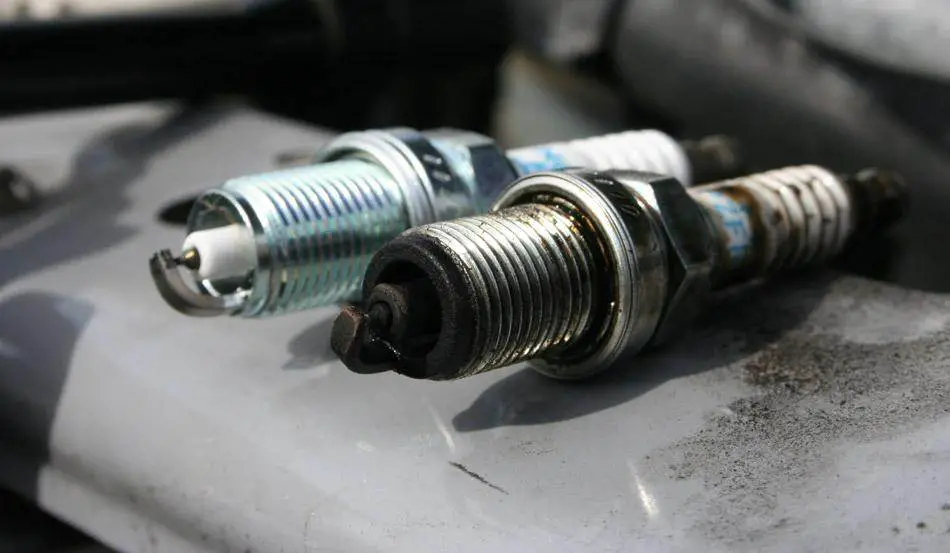
This will start with brief intermittent misfires and worsen over time. However, most ignition system components are inexpensive and easy to repair.
2. Check Fuel System Components
If the problem is not from the ignition system, you should next check the fuel system parts.
These components also wear out, but at a slower rate. Look for a clogged fuel filter, dirty fuel injectors, and a faulty mass airflow sensor or fuel pump. The EGR valve could also stick if not cleaned for a long time.
If that is the case, it will allow exhaust waste to enter the intake manifold and create engine misfires. Most problems can be fixed by cleaning or replacing the problematic part.
3. Damaged Cylinder Walls
A misfiring engine creates popping sounds or sneezes. Sometimes there is also a distinct smell, which is a mixture of gasoline, coolant, and vapor.
Such a strong smell is a warning sign indicating damaged cylinder walls. You should take the car to a mechanic to inspect the engine as soon as possible.

Is It Safe to Drive When an Engine Is Misfiring?
Usually, the vehicle can continue to drive with misfires in one cylinder, since the others will keep the car moving. However, it will not function normally, and it could get worse over time.
Ignoring the problem for too long can damage engine parts such as the catalytic converter and oxygen sensor.
Also consider the safety issue when the car loses power and stalls in the middle of a busy road. A misfiring engine also increases emissions and decreases fuel efficiency.
Cost to Repair a Misfiring Engine
If you are lucky, a simple spark plug change can sometimes cost you only a few dollars if you can do it in your own garage.
Other times, you may need a major replacement for your engine misfire symptoms, among which is changing a fuel injection system at the mechanic.