
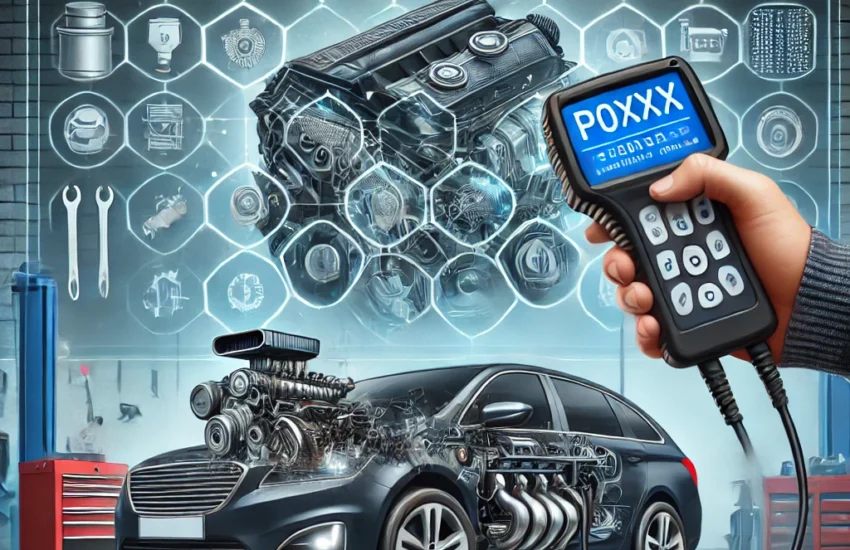
OBD2 tools are now essential for diagnosing mechanical and electronic issues in modern vehicles. They save time and money by quickly identifying faults through specific codes. However, improper use can lead to costly or ineffective errors. Here are the most common mistakes to avoid and how to work around them to get the most out of your OBD2 scanner.
1. Not checking scanner compatibility
Problem: Not all scanners work with all vehicles. Some OBD2 tools are designed for specific brands or newer models, while others only support basic functions.
Solution: Before purchasing a scanner, ensure it is compatible with your car. Check the technical specifications and look for online reviews to avoid unpleasant surprises.
2. Ignoring software updates
Problem: OBD codes evolve with new vehicle technologies. A scanner with outdated software may miss critical diagnostics or display incorrect errors.
Solution: Regularly update your scanner’s software. Most manufacturers offer free or paid updates through their official websites.
3. Misinterpreting an OBD code
Problem: Many people think an OBD code directly indicates which part to replace. For example, a code related to the oxygen sensor doesn’t necessarily mean the sensor is faulty—it could be triggered by other issues like a clogged catalytic converter.
Solution: Use the code as a starting point. Consult manuals or online resources to correctly interpret the codes and their potential causes.
4. Clearing codes without solving the problem
Problem: Clearing error codes before fixing the issue can mask the problem and delay necessary repairs. It can also complicate future diagnostics.
Solution: Never delete an error code without identifying and resolving the underlying cause. The code may reappear if the problem persists.
5. Using a low-end or counterfeit scanner
Problem: Cheap or counterfeit scanners can provide inaccurate or incomplete information, leading to unnecessary repairs.
Solution: Invest in a quality diagnostic tool. Reliable scanners offer greater accuracy, advanced features (like real-time data), and better durability.
6. Forgetting to read real-time data
Problem: Focusing only on error codes without examining real-time data can give an incomplete picture of the situation.
Solution: Use your scanner’s live data features to monitor vehicle performance. This helps identify potential problems before they trigger an error code.
7. Neglecting regular sensor maintenance
Problem: Sensors like the mass airflow sensor (MAF) or oxygen sensors can get dirty or age, affecting diagnostic results.
Solution: Regularly clean sensors or replace them if necessary to ensure accurate diagnostics.
8. Not reading the user manual
Problem: Many users overlook their scanner’s manual, which can lead to misuse or underutilization of its advanced features.
Solution: Take the time to read the manual to understand all the options offered by your scanner. This may include tools like emission cycle tracking, sensor tests, etc.
9. Thinking a scanner detects everything
Problem: An OBD2 scanner is a powerful tool, but it cannot diagnose everything. For example, it won’t detect mechanical issues like an oil leak or failing brake system.
Solution: Use the scanner as a complement to a thorough visual and mechanical inspection of your vehicle.
10. Ignoring code history
Problem: Clearing codes too quickly can cause you to lose useful information about past faults, complicating diagnosis.
Solution: Always note the codes before clearing them. This can help you track recurring issues.
Tips for successful OBD2 diagnostics
- Work in a safe environment: Avoid scanning a vehicle in unstable conditions or with the engine running unnecessarily.
- Keep track of diagnostics: Take screenshots or note results for future reference.
- Use reliable resources: Look for specific solutions in manuals, forums, or online guides.
Why invest in a good diagnostic tool?
A quality OBD2 scanner can transform how you maintain your vehicle. It helps you:
- Identify problems quickly.
- Reduce costs by avoiding unnecessary repairs.
- Monitor performance in real time.
Discover our selection of OBD2 scanners at eobdcode.com for reliable and accurate diagnostics.
Conclusion
OBD2 diagnostics are a powerful tool, but they require correct use to avoid costly mistakes. By following these tips, you’ll maximize your scanner’s efficiency and extend your vehicle’s lifespan.
Ready to diagnose your car like a pro? Explore our OBD2 tools at eobdcode.com today!