
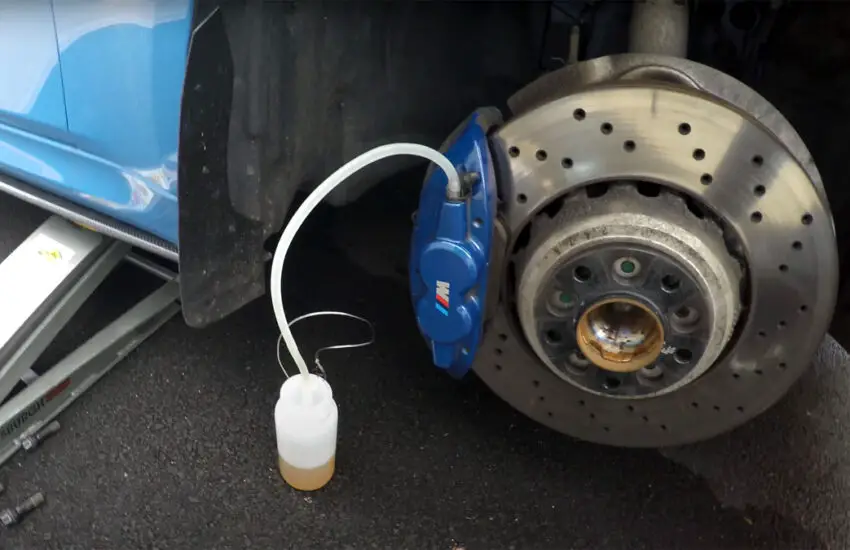
Brake bleeding is a key step to ensure safe braking. Here are the 12 common mistakes to avoid to prevent damaging your system or leaving dangerous air bubbles.
1. Neglecting the Bleeding Order
⚠️ Mistake: Bleeding the brakes out of order (e.g., starting with the front left wheel).
✅ Solution: Follow the order recommended by the manufacturer (often rear right wheel → rear left → front right → front left).
2. Forgetting to Check the Fluid Level
⚠️ Mistake: Letting the brake fluid reservoir run dry, allowing air to enter.
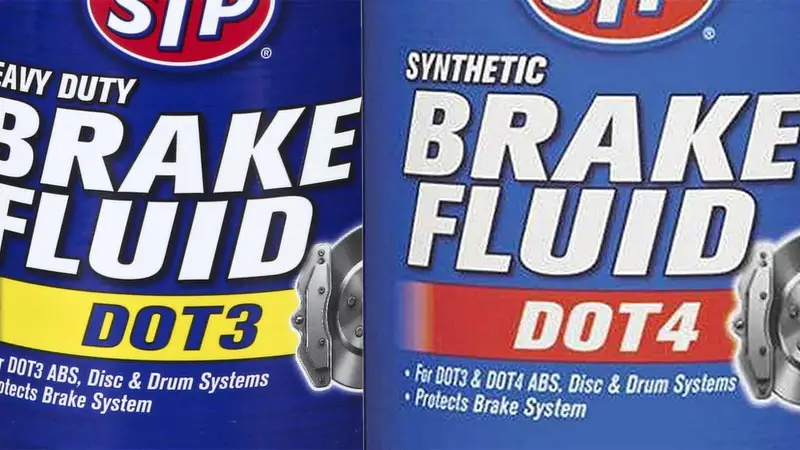
✅ Solution: Refill it regularly during bleeding with new fluid (DOT 4 or DOT 5.1 as per specifications).
3. Using Contaminated Brake Fluid
⚠️ Mistake: Pouring old fluid back into the reservoir or using an expired product.
✅ Solution: Always use new fluid from a sealed container (fluid absorbs moisture, which reduces its effectiveness).
4. Overtightening the Bleed Screws
⚠️ Mistake: Forcing the bleed screws with a wrench, risking breaking them.
✅ Solution: Use a proper box-end wrench and tighten moderately (recommended torque: 8-15 Nm).
5. Letting the Bleed Hose Come Off
⚠️ Mistake: Not submerging the hose in fluid during bleeding, allowing air to return.
✅ Solution: Place the end of the hose in a container with fluid, below the level of the used fluid.
6. Ignoring the Final Test
⚠️ Mistake: Not testing the brakes after bleeding.
✅ Solution: After bleeding, start the engine and press the pedal firmly: it should be firm, without a “spongy” feel.
7. Forgetting to Protect Surfaces
⚠️ Mistake: Letting brake fluid drip onto paint or plastics (corrosive!).
✅ Solution: Cover sensitive parts with a rag and wear gloves/goggles.
8. Bleeding Alone Without Help or a Kit
⚠️ Mistake: Attempting a traditional bleed without an assistant to operate the pedal.
✅ Solution: Use a vacuum bleeding kit (e.g., Mityvac) or a pressure bleeder to work solo.
9. Confusing DOT 4 and DOT 5
⚠️ Mistake: Mixing incompatible brake fluids (e.g., DOT 5 silicone with DOT 4).
✅ Solution: Strictly adhere to the fluid type indicated in the manual (DOT 3, 4, 5.1, or DOT 5).
10. Not Checking for Leaks After Bleeding
⚠️ Mistake: Ignoring a leak at the bleed screws or hoses.
✅ Solution: Visually inspect the system and test the brakes at low speed in a safe area.
11. Reusing Used Brake Fluid
⚠️ Mistake : Transferring old fluid collected in the bleed container back to the reservoir.
✅ Solution : Used brake fluid contains moisture and impurities. Use only new fluid from a sealed container to avoid corrosion and loss of effectiveness.
12. Forgetting to Replace the Bleed Screws/Caps
⚠️ Mistake : Reusing cracked, corroded, or improperly tightened bleed screws/caps.
✅ Solution : After bleeding, check the condition of the bleed screws/caps. Replace them if damaged to prevent air or fluid leaks. Prefer original (OEM) parts.
Optimal Bleeding Procedure (Summary)
- Fill the reservoir with new fluid.
- Bleed in the manufacturer’s order, maintaining the fluid level.
- Tighten the bleed screws without excess force.
- Test the pedal and check for leaks.
Brake Bleeding FAQ
Q: What is the lifespan of brake fluid?
2 to 3 years (or 60,000 km). Change it if it’s cloudy or brownish.
Q: Cost of a bleed at a garage?
Between €80 and €150 depending on the model.
Q: Soft pedal after bleeding?
Repeat the bleeding: air remained in the system.
Conclusion
Avoid these 12 mistakes for optimal braking. A properly performed bleed extends the life of the calipers, wheel cylinders, and master cylinder. If in doubt, consult a professional – your safety is priceless!