
The Debate Over Vintage Vehicle Inspections
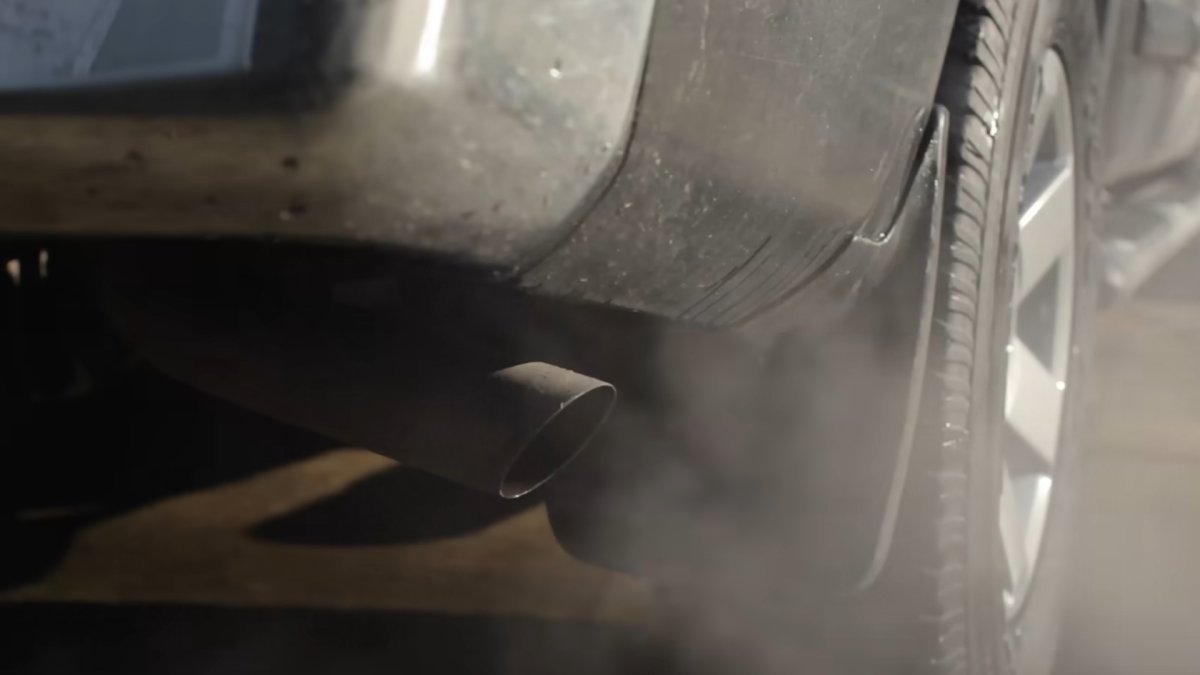
The requirement for classic cars to undergo modern emissions testing is a topic of significant debate among enthusiasts, regulators, and environmentalists. As concerns about air quality grow, the relevance of applying contemporary pollution standards to vehicles built with different technology and driven limited miles is increasingly questioned.
The Case for Testing Exemptions
Advocates for exempting classic cars from stringent emissions tests often cite their minimal usage. These vehicles are typically driven fewer than 3,000 miles annually for leisure, contributing a fraction of the total pollution from the transportation sector. Furthermore, mandating the retrofit of modern catalytic converters or fuel injection systems onto historically significant vehicles can be prohibitively expensive and may compromise their originality and value. Many jurisdictions have recognized this by implementing age-based exemptions, commonly for vehicles over 25 or 30 years old.
The Environmental and Regulatory Perspective
From an environmental standpoint, every source of emissions matters in the pursuit of cleaner air. A single older vehicle without pollution controls can emit significantly more hydrocarbons and nitrogen oxides than a modern equivalent. Regulatory bodies in areas with poor air quality often maintain testing to ensure all vehicles on the road meet minimum standards. The goal is to protect public health, even if the collective impact of classic cars is smaller than the daily fleet.
Finding a Balanced Path Forward
A potential middle ground involves tailored regulations. Some regions use a rolling exemption model or a simplified idle test for older vehicles, acknowledging their unique status while maintaining some oversight. The future of this issue may hinge on evolving technologies, such as synthetic fuels or approved modernization kits that reduce emissions without destroying a car’s historical integrity. The core challenge remains balancing preservation with responsibility.