
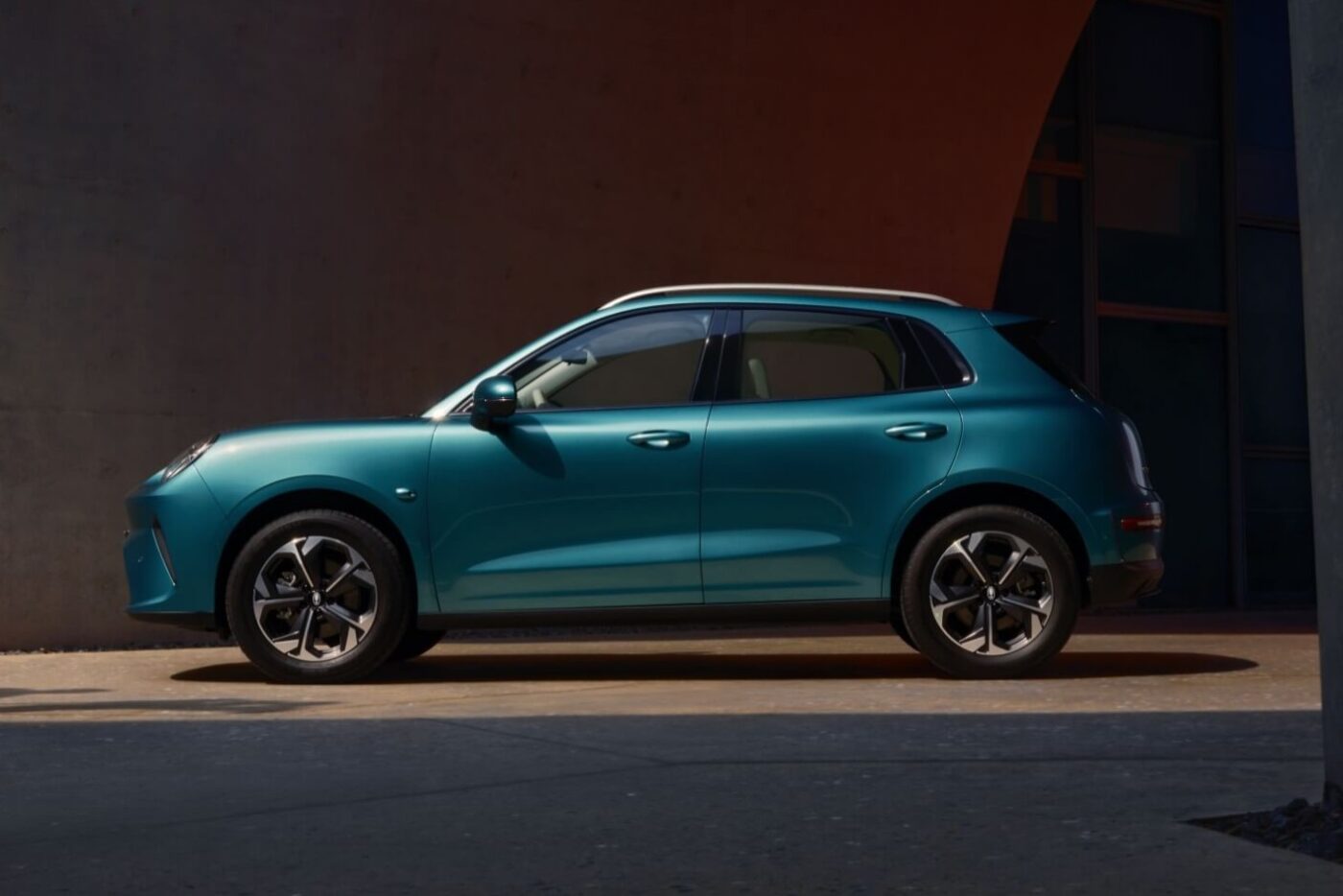
China’s Electric Vehicle Power Play in Europe
The European automotive landscape is undergoing a seismic shift as Chinese electric vehicle manufacturers accelerate their expansion strategies. Unlike initial market entries through exports, companies are now establishing substantial local operations to compete directly with established European brands.
Strategic Manufacturing Footprints
Great Wall Motor exemplifies this new approach through its search for European production facilities. After experiencing slower than expected market penetration compared to some Chinese competitors, the manufacturer is pivoting toward local assembly operations. This strategy mirrors broader industry movements toward establishing manufacturing bases within Europe to circumvent trade barriers and respond more effectively to regional market demands.
Competitive Pricing and Technology
Chinese EV manufacturers bring sophisticated battery technology and competitive pricing structures that challenge traditional automotive pricing in European markets. The combination of advanced features at accessible price points represents a significant value proposition for European consumers. This approach has forced incumbent manufacturers to accelerate their own electrification timelines and reconsider pricing strategies across multiple vehicle segments.
Market Adaptation Challenges
Despite technological advantages, Chinese automakers face the complex task of adapting to diverse European consumer preferences and regulatory requirements. Success requires understanding nuanced market differences across European regions, from charging infrastructure compatibility to design aesthetics and driving patterns. Manufacturers investing in localized research and development demonstrate more sophisticated market entry strategies than those relying solely on price competition.
Future Market Implications
The deepening presence of Chinese EV manufacturers signals a fundamental restructuring of Europe’s automotive industry. As production facilities become established and supply chains mature, these companies will likely capture increasing market share. This transition represents both a competitive challenge for European automakers and an acceleration of the continent’s broader electrification goals, potentially driving down costs and increasing technology adoption rates across the market.