
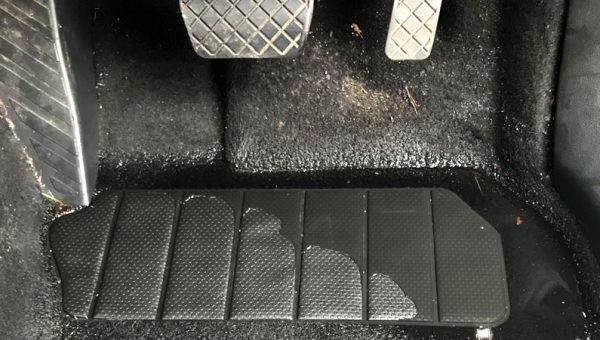

Few things damage a car’s interior faster than water leaks. Water inside your car can cause foul odors of mold and mildew. In extreme cases, mold growth can be harmful to your health.
If you have water leaking into your cabin, don’t wait to fix the problem. Here are some common sources of interior water leaks.
Sources of Interior Water Leaks
1) Convertibles
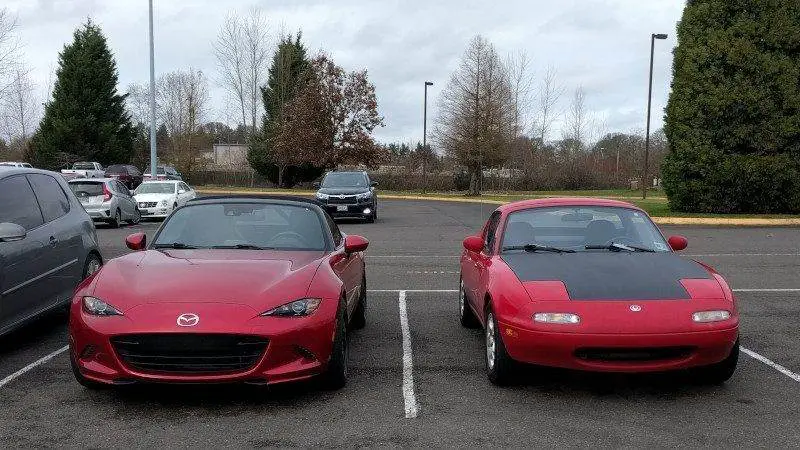
If you have a soft-top convertible, you know how difficult it can be to keep water out of the car. Water often leaks through the windows into the cabin or through the seal where the top meets the windshield frame (at the top of the A-pillar).
Most convertibles offer several adjustments that allow the top to seal tightly against the windows and A-pillar. If your top doesn’t fit quite right, it may just need a simple adjustment. Punctured soft tops may need to be repaired or replaced.
The adjustment procedure will be different on each car. For example, early Mazda MX-5 Miatas allowed you to adjust the top latches and window height.
2) T-Tops, Removable Hard Tops, and Targa Tops

Similar to soft-top convertibles, T-tops, removable hard tops, and Targa tops all have sealing gaskets around the removable roof. Over time, these gaskets can deteriorate.
When transferring a top from one car to another, you may need to make slight adjustments to the latch tension to keep the top firmly attached to the car. Sometimes, replacing the weatherstripping is necessary.
3) Pressure Washing Past Seals
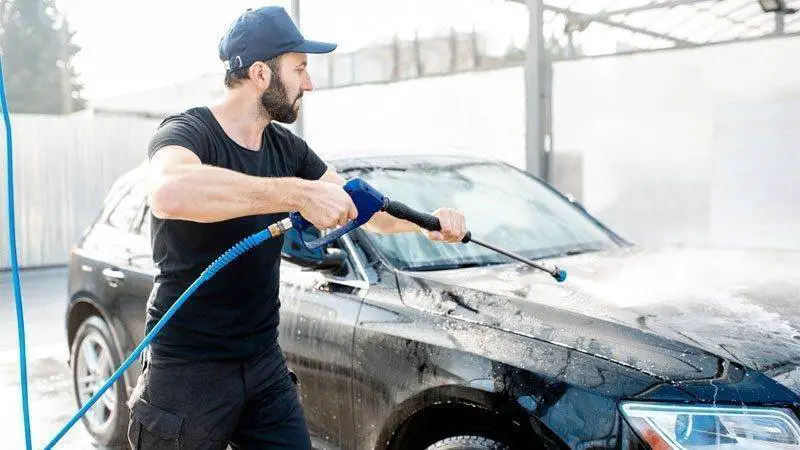
Pressure washing is a great way to detail a car, provided you use the pressure washer correctly. If you use the pressure washer too close to window seals or weatherstripping, or if you hold the pressure washer in one spot for too long, you risk forcing water inside.
If you’ve accidentally introduced water into the cabin, run the air conditioner for a while. This dries the air and helps remove excess water before it becomes a problem.
4) Sunroof Seals

Sunroofs and moonroofs have the unfortunate task of blocking rain, while being directly exposed to the worst weather 100% of the time.
Since sunroofs sit on top of the car, water must drain through rain rails. If these rails become clogged, you may notice water accumulating inside the car, particularly in the headliner.
While they make special tools to unclog sunroof drains, you might be able to unclog them yourself using a long piece of weed trimmer line and air from an air compressor.
5) Automatic Car Washes

Automatic car washes are convenient, but they aren’t particularly gentle on the car. Some touchless car washes spray water on the car at very high pressure.
After going through an automatic car wash, you might notice that a bit of water has seeped into the cabin. After checking that none of the windows are cracked, you can simply run the air conditioner for a while to dry the wet parts.
If you don’t notice any leaks until after you’ve been through a car wash, it’s probably not a cause for concern and isn’t something that needs to be fixed.
6) Air Conditioning Drain

When you run the air conditioner, condensation forms on the unit as it cools. This condensation needs a place to drain out of the car. Typically, you’ll notice a small puddle of water under the car after running the air conditioning.
When this drain is clogged, the condensation may have nowhere to go but inside the car. You might be able to unclog the drain by placing the drain under the car. Some vehicles will need to be lifted off the ground to give you enough space to do this.
7) Door Weather Stripping and Vapor Barrier

The weather stripping on your doors has two purposes: to eliminate noise, vibration, and harshness (NVH) and to seal out water. This rubber lining is very similar to what you’ll find on the sunroof, hatchback, or convertible top seals.
Doors also contain a vapor barrier behind the door panels. This plastic sheet prevents the door card from getting wet. The vapor barrier is glued to the door using a black sticky substance that sticks to everything (seriously, don’t get it in your hair).
Vapor barriers are often peeled back during aftermarket stereo installations, which weakens the bond between the barrier and the door. If you have a leak in your vapor barrier, you might want to remove the door card and check that you still have a vapor barrier and that it’s properly installed.
8) Windshield Molding
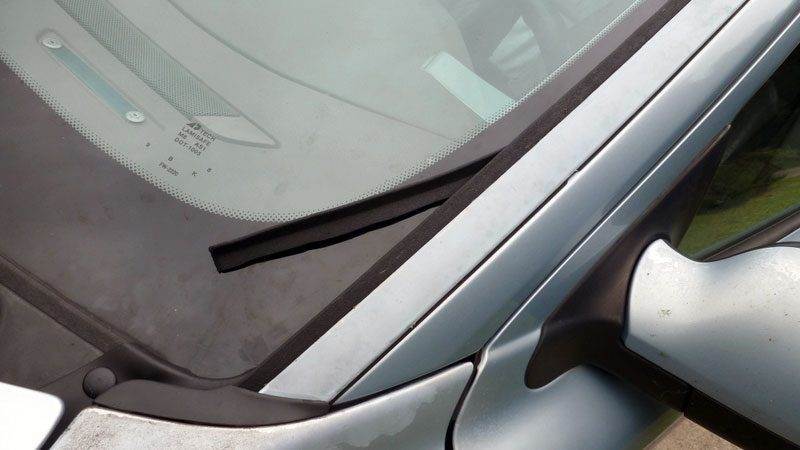
Windshields need to be both airtight and waterproof. Windshields are sealed in place using a combination of a windshield gasket and adhesive that holds them in place.
When this seal starts to fail, you might notice water on the dashboard or condensation on the edges of the windshield. You might also hear a whistling sound that gets louder as you drive faster, as air leaks past the seal.
9) Flying Water Bottles

This might seem silly, but before spending a lot of time or money looking for a problem, check that there are no liquid containers in the car that might have leaked. When driving, it’s quite easy for a water bottle to leak as it’s jostled by bumps in the road.
Conclusion
There are many causes of water leaks in a cabin, but you can usually tell where the leak is coming from. You’ll usually feel more moisture near the source of the leak. Many of these leaks can usually be fixed at home, and it’s often something you can do yourself at low cost.