
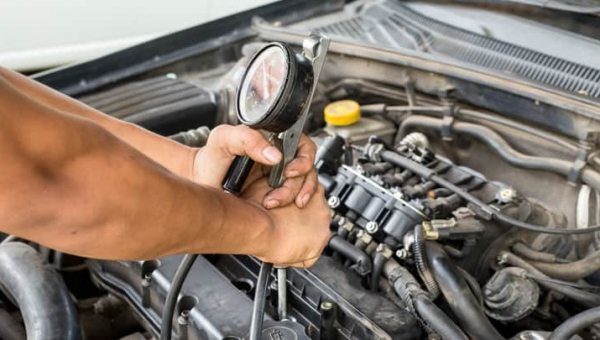
If you have ever driven a car and noticed a loss of power while accelerating or even during normal driving, you know how frustrating and even dangerous it can be. Several factors can explain this problem, often related to a lack of maintenance, wear and tear, or mechanical or electronic failures. A loss of power usually results from an imbalance in the supply of air, fuel, or compression, essential elements for the proper functioning of the engine.
Identifying the exact cause may require time and effort, but to guide you, here are the 11 most common causes of power loss during acceleration. These issues can be classified into three main categories:
- Sensor Malfunctions
- Actuator Problems
- Mechanical Failures
Each category includes critical components that can affect your engine, whether you drive a gasoline or diesel vehicle. Discover below the details for each possible cause and their solutions.
1. Sensor Malfunctions
Sensors are crucial in modern vehicles with advanced electronics. They allow the engine management system to monitor and adjust performance. Here are the most common malfunctions:
1.1. Faulty Camshaft Position Sensor
The camshaft position sensor measures the rotation speed of the camshaft and sends the data to the ECM (Electronic Control Module). If this sensor is defective, the timing of ignition and fuel injection will be incorrect, leading to a loss of power.
Solution: An electronic diagnostic can confirm the problem, and replacing the sensor is relatively inexpensive.
1.2. MAF (Mass Air Flow) Sensor
The MAF sensor measures the amount of air entering the engine. A malfunction leads to poor management of the air/fuel mixture, which reduces performance.
Solution: Clean or replace the MAF sensor depending on its condition.
1.3. Faulty Oxygen Sensor
This sensor, located in the exhaust system, measures the amount of unburned gases and adjusts the air/fuel ratio accordingly. A faulty sensor leads to inefficient combustion and increases fuel consumption.
Solution: Replace the sensor and perform an emissions check.
2. Actuator Malfunctions
Actuators physically control the mechanisms essential for the proper functioning of the engine.
2.1. Worn Spark Plugs
End-of-life or dirty spark plugs prevent proper combustion, which reduces power.
Solution: Replace them regularly according to the manufacturer’s recommendations.
2.2. Faulty Ignition Coil
The ignition coil transforms the 12-volt current into high voltage to power the spark plugs. A failure leads to misfires.
Solution: Have the coil tested and replaced if necessary.
2.3. Clogged or Faulty Fuel Injectors
Injectors spray fuel into the engine. A clogged injector reduces the amount of fuel, leading to a loss of power and misfires.
Solution: Have the injectors cleaned or replaced.
2.4. Weak Fuel Pump
The pump must maintain sufficient pressure to supply the engine. A faulty pump causes acceleration difficulties and intermittent breakdowns.
Solution: Check the fuel pressure and replace the pump if necessary.
3. Mechanical Failures
Mechanical problems are often related to wear and tear or neglected maintenance.
3.1. Clogged Fuel Filter
The fuel filter prevents impurities from entering the engine. A dirty filter limits the fuel supply, leading to a drop in performance.
Solution: Change the filter every 20,000 to 40,000 km according to the manufacturer’s recommendations.
3.2. Clogged Air Filter
A dirty air filter prevents air from reaching the engine, affecting combustion.
Solution: Replace or clean the filter regularly.
3.3. Blocked Exhaust Pipe
A clogged catalytic converter or muffler limits the evacuation of gases, reducing power.
Solution: Check the components of the exhaust system and clean or replace them if necessary.
3.4. Low Compression
Cylinder compression is essential for combustion. Problems such as a faulty head gasket, leaking valves, or worn piston rings reduce compression.
Solution: A compression test can identify the problem. Depending on the severity, it may require costly repairs.
Addition: Importance of Preventive Maintenance
Many of the problems mentioned here can be avoided through regular maintenance. Here are some tips to prevent power loss:
- Check and replace fuel and air filters according to the maintenance schedule.
- Clean critical sensors such as the MAF sensor.
- Have your engine diagnosed at the first signs of power loss, such as misfires or irregular acceleration.
By taking care of your car and monitoring warning signs, you can extend the life of your engine and avoid costly repairs.