
Our cars are the best means of transportation for getting to the office and for long trips. Therefore, none of us have time to deal with transmission fluid leaks. If a car loses transmission fluid, it involves a lot of time and money.
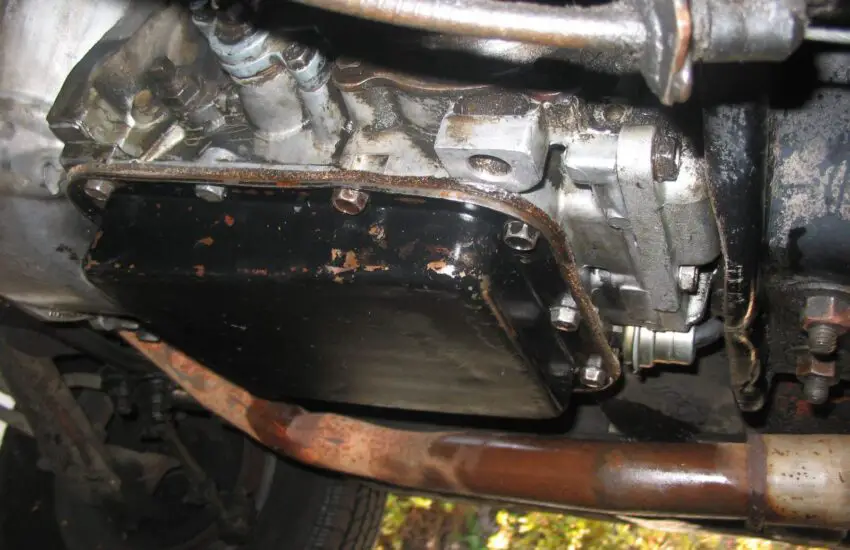
The transmission usually leaks due to a loose pan where the bolts remain unstable after changing a filter. However, this doesn’t always happen for the same reason.
Because the fluid is the lifeblood of every vehicle, its leak can cause problems as well as a decent investment.
What Causes Transmission Leaks
The main cause of a transmission leak is a cracked pan gasket. Nevertheless, there are also other causes that can lead to this leak.
Here are some common causes:
1. Broken Fluid Lines
Transmission fluid flows through moving parts, absorbing heat which it expels via the aluminum transmission cooler.
These lines are used to circulate ATF and are usually made of rubber. They often start leaking due to external damage.
2. Degraded Pan Gasket

As mentioned above, pan gaskets are the most common source of fluid leaks. Over the years, their material can degrade, causing ATF to leak into your driveway. Another reason for this leak is improper installation of the pan gasket.
3. Hole in the Pan
The pan is located at the very bottom of the transmission and is one of the most sensitive parts of the vehicle.
Although it is made of durable metal, it is vulnerable to cracks and punctures. If the damage is severe, it is best to replace the entire transmission pan.
4. Damaged Seals
To maintain hydraulic pressure and prevent transmission leaks, an automatic transmission uses several seals.
These seals deteriorate over time and naturally fray and crack. If this is the case, the risk of transmission leaks increases.
5. Cracked or Damaged Transmission Lines
Transmission lines are responsible for carrying transmission fluid between the transmission and the transmission cooler (if applicable) in the radiator. They are typically made of metal or rubber and can be damaged for various reasons:
Road debris: Small stones, debris, or road hazards can puncture or damage transmission lines. When a line is damaged, cracks or holes can form, allowing transmission fluid to escape.
Corrosion: Over time, especially in areas with harsh weather conditions or where road salt is used, transmission lines can corrode and weaken. This corrosion can lead to weak spots or holes in the lines.
Accidents or collisions: In the event of an accident or collision, the impact can damage transmission lines, leading to fluid leaks. Even a minor fender-bender can potentially damage these lines.
6. Excessive Transmission Fluid Pressure
The transmission operates at a specific fluid pressure level to function correctly. If this pressure becomes too high, the fluid can be forced through seals and gaskets, which can lead to leaks. Several factors can cause excessive transmission fluid pressure:
Malfunctioning pressure regulator: The transmission is equipped with a pressure regulator that controls fluid pressure. If this regulator is not working properly, the pressure can rise beyond recommended levels.
Obstructions in fluid passages: Any blockage or restriction in the transmission’s fluid passages can hinder fluid flow, leading to a buildup of pressure.
Overfilling transmission fluid: Adding an excessive amount of transmission fluid during maintenance can lead to high pressure levels, as the excess fluid has less room to circulate properly.
What are the Best Solutions for Transmission Leaks?
Although you know the various causes of transmission leaks, you should also be aware of the different ways to fix them.
Here are some points to get you started:
1. Check the Fluid Timely
It is very important to check the fluid level at every oil change. This is the most important maintenance tip of all.
2. Pay Attention to the Fluid Color
Keep a close eye on the fluid color. New fluid appears red and translucent, while the older it gets, the darker it becomes. So change it as soon as it changes color.
3. Replace Damaged Parts
Replace damaged parts such as the pan gasket, fluid lines, etc., to keep the transmission system in perfect working order. It is advisable to seek professional help rather than using DIY techniques.
4. Repairing Cracked or Damaged Transmission Lines
Repairing or replacing damaged transmission lines is essential to stop fluid leaks. The specific repair process can vary depending on the extent of the damage and the type of lines used. Generally:
If there are minor cracks or holes, it may be possible to repair or temporarily seal them. However, this is not a long-term solution and replacing the damaged section is recommended.
In case of more significant damage or corrosion, it is better to replace the affected lines entirely.
This typically involves removing the damaged section and splicing in a new piece of line, which must be made of the appropriate material (metal or rubber) and properly secured to prevent future leaks.
5. Solution for Excessive Transmission Fluid Pressure
To address excessive transmission fluid pressure:
A mechanic will typically inspect and diagnose the problem, which may involve checking the pressure regulator and inspecting the fluid passages for blockages.
If the pressure regulator is faulty, it will need to be repaired or replaced.
It is essential to remove any blockage or restriction in the fluid passages to restore proper fluid flow and pressure levels.
It is also important to ensure the correct amount of transmission fluid is in the system, neither overfilled nor underfilled, to maintain the correct pressure.
It is important to note that driving with excessive transmission fluid pressure can lead to serious damage to the internal components of the transmission. Therefore, it is crucial to address this issue promptly to avoid further damage and fluid leaks.
Final Words
Transmission leaks are common, so don’t panic if it happens. However, taking this issue lightly is certainly not the right way to handle it. Gather knowledge about it and stay informed about potential ways to reduce it.