
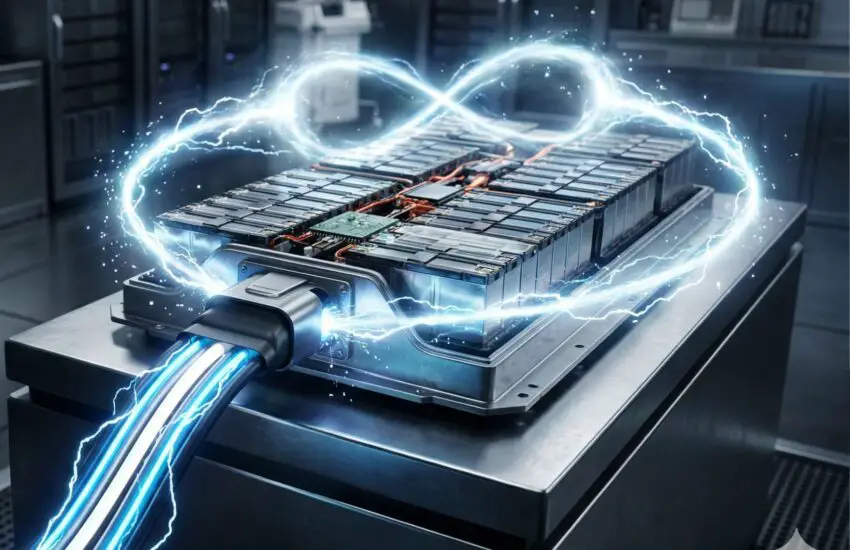
A Quantum Leap in Battery Longevity
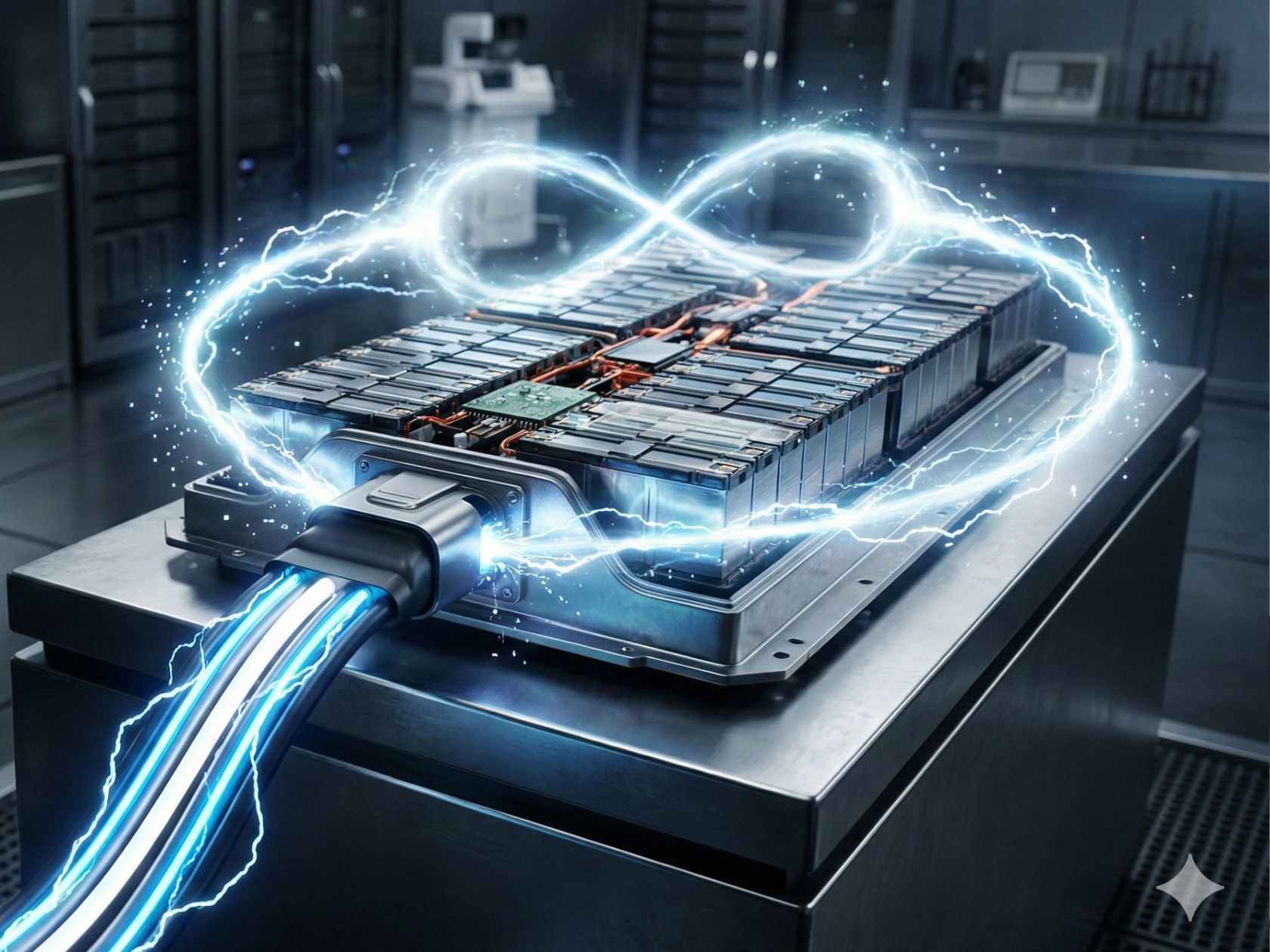
Contemporary Amperex Technology Co. Limited (CATL), a global leader in battery innovation, has announced a breakthrough that could fundamentally alter electric vehicle ownership. The company has unveiled a new “quasi-immortal” 5C battery, engineered to endure thousands of ultra-fast charging cycles with minimal degradation. This development directly tackles one of the most significant concerns for potential EV adopters: long-term battery health and the fear of costly replacements.
Engineering the Unthinkable: Charging Without Degradation
The core promise of this new technology lies in its resilience. Traditional lithium-ion batteries experience stress and capacity loss during rapid charging, especially at high power levels like 5C, which theoretically allows a full charge in 12 minutes. CATL’s innovation involves a novel cell chemistry and advanced structural design that manages heat and lithium-ion flow with unprecedented efficiency. This system reportedly prevents the formation of lithium dendrites and other damaging side reactions that typically occur during high-power charging sessions.
Implications for the Future of Electric Mobility
The potential impacts of a near-degradation-free battery are profound. Firstly, it could virtually eliminate battery lifespan as a primary consumer concern, significantly boosting EV resale values. Secondly, it enables the practical, daily use of ultra-fast charging without long-term penalties, making EVs as convenient as refueling a conventional car. This technology paves the way for smaller, more affordable battery packs, as frequent top-ups become a non-destructive routine. For fleet operators and autonomous vehicles that require near-constant uptime, such durability is a game-changer.
While independent long-term verification is awaited, CATL’s announcement marks a bold step toward solving the final major hurdles for universal EV adoption. If the technology performs as claimed, it will not only extend vehicle life but also accelerate the integration of renewable energy by creating more robust and reliable storage solutions for the grid.