
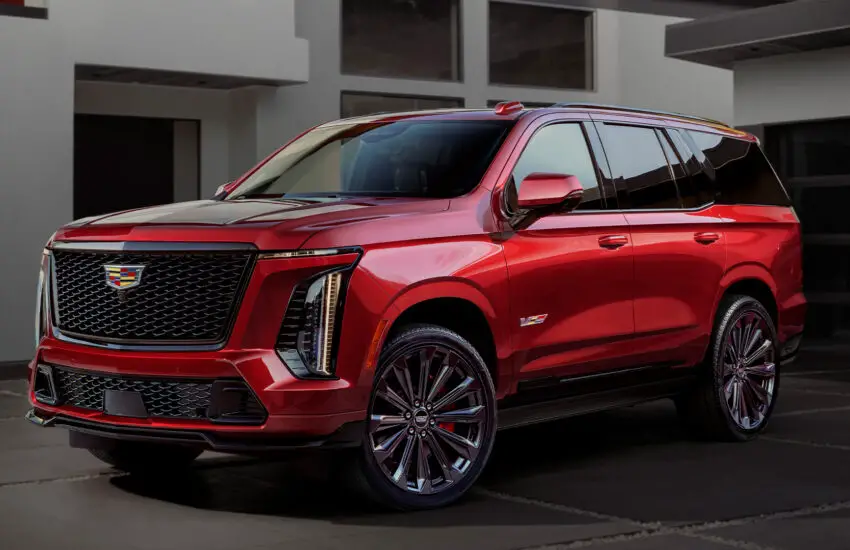
Incentives for electric cars and emissions regulations may not be the only casualties of the current administration in the United States. With the dismantling of EPA fines for emissions violations and the additional costs from customs tariffs, automakers are under pressure to remove expensive lightweight materials from their designs to control price inflation. In other words, the curb weight of your next car could increase as much as its starting price.
A Significant Cost Increase for Manufacturers
According to Automotive News, the Center for Automotive Research estimates that manufacturers will have to absorb an average of $4,600 in additional costs per vehicle produced by 2027. Faced with negative reactions regarding price increases after COVID, automakers are looking for ways to avoid a price shock, and this will likely involve using cheaper components made from heavier and less expensive materials. Expect an increase in the use of lower-grade steels and a reduced proliferation of aluminum alloys and advanced composites, at least for cars whose main market is the United States.
The End of a Major Incentive for Lightweighting
Even though we like to believe that lightweight sports cars lead the way in automotive development, efficiency was the main driver behind the increased use of high-tech materials. Both internal combustion engine vehicles and electric vehicles have greatly benefited from lightweighting, with the latter being encouraged to increase range. Now that vehicles intended for the American market will no longer be subject to fuel consumption fines and government tax incentives for EVs are soon to disappear, the pressure to spend more on lightweight components has evaporated.
The Dream of an Affordable Sports Car Fades
So, where has the mythical basic, very cheap sports car with a manual transmission and a V8 that was promised to us once government regulations were lifted gone? We shouldn’t get our hopes up too much. As we have already seen with Dodge and Ram, simply reducing the power of the EPA will not be enough, and the administration will need time to tackle CARB and the 16 other states (plus Washington D.C.) that have modeled their regulatory framework on it again.
Development Cycles Too Long for Rapid Changes
Furthermore, since automakers work with development cycles that typically span three to five years at a minimum, an administration can come and go during the time it takes to bring a single model from concept to production. The possibility of another major political shift will limit the ability of an already timid industry to make bold leaps to reach an audience that represents barely more than 2% of car buyers. Even if a manufacturer had a design ready on the shelf, the potential cost of failure remains very high.
Got a tip? Contact us at tips@thedrive.com.
This article is an adaptation of “Cars Will Get Heavier Thanks to Higher Tariffs, Deregulation: Analysts” originally published on The Drive.