
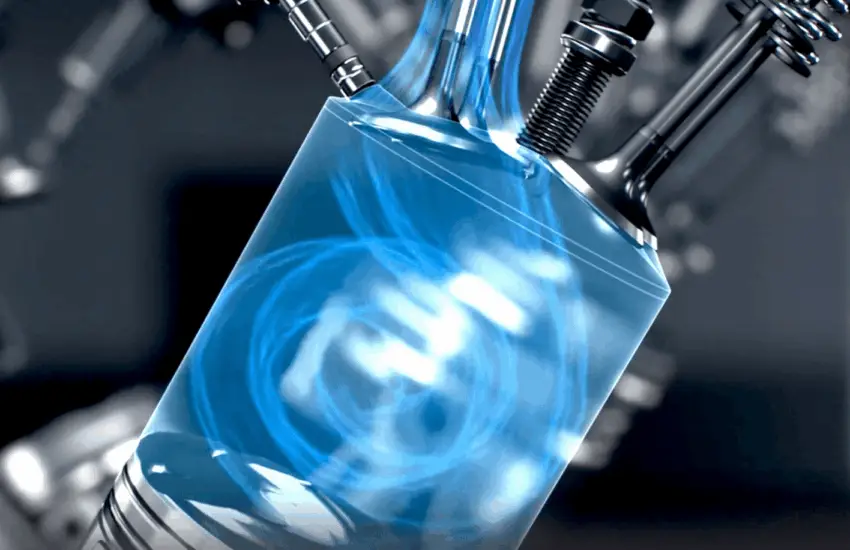
Direct fuel injection in engines is more common nowadays because it improves fuel economy. However, it is not an ideal method as carbon deposits form on the piston, intake valves, and other surfaces of the combustion chamber.
To understand how direct injection carbon buildup accumulates and how to prevent it, let’s consider both aspects separately.
Direct Injection Carbon Buildup: Identifying the Symptoms
Loss of Power and Acceleration
If you have noticed a substantial decrease in your car’s power and acceleration, direct injection carbon buildup could be the cause. Deposits on the intake valves disrupt the proper airflow and fuel combustion, which compromises engine performance.
Rough Idling
Carbon buildup can cause irregular idling, or even engine stalling. This happens when deposits interfere with the proper closing of the intake valves, leading to uneven airflow.
Decreased Fuel Economy
Are your trips to the gas station becoming more frequent? Carbon buildup can hinder fuel atomization, causing inefficient combustion and thus reducing fuel economy.
High Emissions
Carbon buildup can result in the emission of higher levels of harmful gases. If you fail emissions tests or notice dark exhaust smoke, it is imperative to investigate the presence of carbon deposits.
Direct Injection Carbon Buildup: Why Does It Happen?
Without further delay, let’s get straight to the reasons for the problem.
Inability to Clean the Valve and Port
The main cause of carbon buildup on valves is that detergents and added fuel do not come into direct contact with the intake valves.
This occurs primarily because fuel is injected directly into the cylinders instead of behind the valve. As a result, the fuel and detergent are unable to clean the port and valve.
High Combustion Pressure
The problem worsens when combustion pressure is higher and mixtures are leaner.
In fact, during direct fuel injection, more energy is produced than during port fuel injection. Thus, when a suboptimal flame front is generated, unburned fuel increases inside the combustion chamber.
Moreover, when the valve opens for the intake stroke, these byproducts are exposed to the valve, thereby forming a carbon deposit.

Note: Even the air passing through the valve is not hot enough to burn these byproducts.
Cylinders Show Low Vacuum
While starting the engine, try attaching a pressure transducer to the intake manifold. A lower vacuum during intake strokes in one or more cylinders may indicate partially obstructed intakes caused by carbon buildup.
A compression test can also reveal this condition: carbon buildup on the intake ports obstructs intake air, causing a slow increase in cylinder compression, but it eventually returns to normal.
Another Cause
When the intake valve enters the combustion chamber for a short period, the byproducts of the combustion process meet the valve, which sticks to the neck of this part.
How to Prevent Direct Injection Carbon Buildup?
With a multitude of ways to prevent direct injection carbon buildup, there are indeed three best possible ways to try:
Regular Maintenance
One of the ideal ways to avoid carbon buildup is periodic maintenance. While following essential maintenance tips, fully synthetic oil should be changed every 5,000 miles. This allows the intake valves to operate efficiently.
Replacing Spark Plugs
To reduce the deposit of unburned fuel in the chambers and thus prevent it from sticking to the valves, replace the spark plugs.
Tip: The precise time to replace spark plugs depends on the mileage recommended by the manufacturers.
Fuel Injector Cleaning
Cleaning is essential for proper fuel spraying into the chamber. Therefore, maintaining it every 30,000 miles can save you huge expenses later.
Last but not least, a new software update for the car’s ECM can help reduce carbon buildup on the valves by adjusting the timing of the spark plug and valve.

Exploring DIY Cleaning Techniques
For those who enjoy a hands-on approach to vehicle maintenance, consider these DIY methods:
Thorough Intake Valve Cleaning
Use a direct injection intake valve cleaner to manually remove carbon deposits from the intake valves.
Consistent Use of Top-Tier Fuel
Consistently using high-quality fuel can serve as a preventive measure against carbon buildup over time.
Mitigating Short Trips
Frequent short trips prevent the engine from reaching its optimal operating temperature, thus increasing the risk of carbon buildup. Combine errands for longer trips whenever possible.
FAQ on Direct Injection Carbon Buildup
- What Triggers Carbon Buildup in Direct Injection Engines?
Carbon buildup is due to the absence of fuel washing in direct injection engines, allowing deposits to accumulate on the intake valves and combustion chambers.
- Are All Fuel Injector Cleaners Suitable?
It is advisable to use fuel injector cleaners specifically formulated for direct injection engines.
- How Often Should Intake Valves Be Cleaned?
Intake valve cleaning should ideally occur every 30,000 to 60,000 miles; however, consult your car’s manual for precise recommendations.
- Does Warranty Cover Carbon Buildup Issues?
Warranty coverage varies; therefore, consult your vehicle’s warranty documentation or your dealer for details.
- Can I Perform Intake Valve Cleaning at Home?
Although DIY methods exist, for optimal results, it is recommended to enlist the services of a professional mechanic for intake valve cleaning.
Watch the video from Deutsche Auto Parts to deeply understand why direct injections have issues with carbon!
Final Words
In conclusion, these tips will surely help prevent direct injection carbon buildup. For more information on preventive measures, you can also consult the reputable auto repair and maintenance workshop.
I hope you will understand more about direct injection carbon buildup and the solutions for cleaning the valves from this article.