
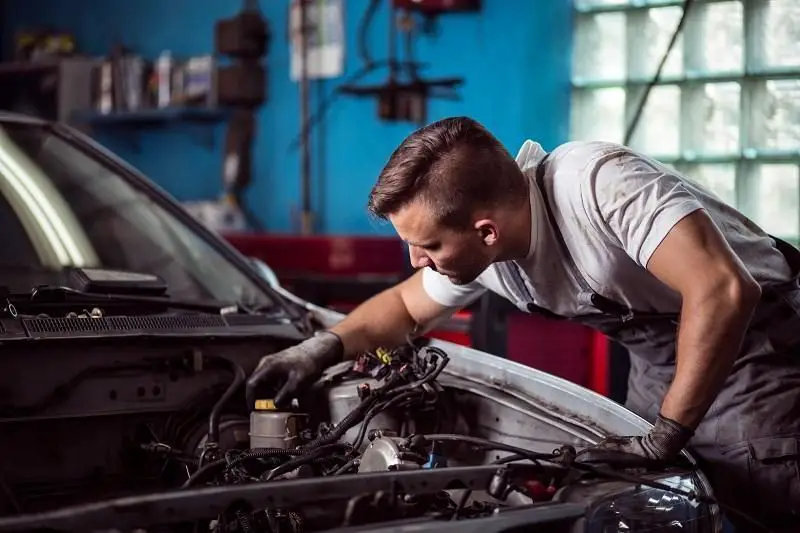
Car Care and maintenance is a responsibility you must sincerely take on. Otherwise, you’ll only be throwing money down the drain on repairs that could be avoided with regular checks and at a fraction of the cost.
Don’t be like teenagers who often forget to change the oil or wash the car because they have parents to pay the bills! Since you’re an adult and on your own, learn to take care of your car to save money down the road.
Effective Tips for Taking Care of Your Car
A new model requires less frequent services because some of the annoying maintenance needs such as cleaning body rust, adjusting breaker points, or replacing spark plugs are related to aging.
However, your automobile still deserves periodic checks, repair work, and cleaning jobs. Let’s take a look at 6 ways to perform car maintenance!
Engine Oil
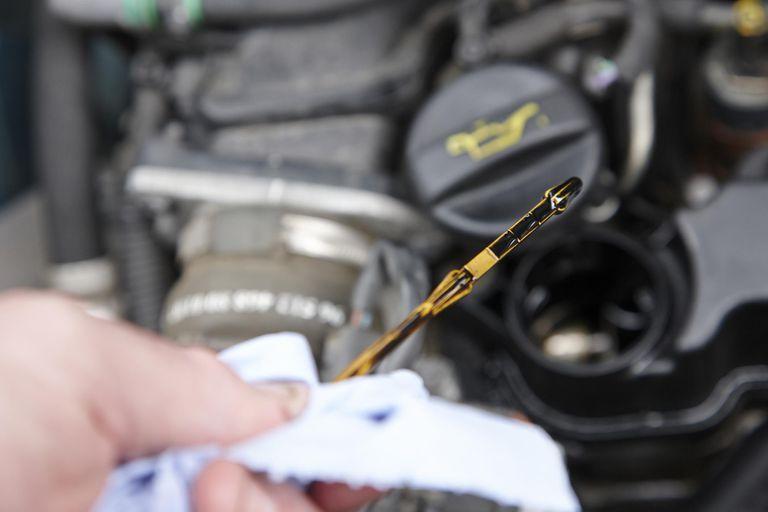
Regularly check the level and watch for a leak. Use a dipstick to check and park the vehicle on a level surface at that time to get an accurate reading.
If the level is low, fill the reservoir but do not overfill. Also, repair immediately if you find a leak.
Transmission Fluid
The fluid cylinder cap is sealed in many new models with an automatic transmission. If your car isn’t one of them, check the fluid level when the engine is warmed up and running.
Check the level in the brake fluid reservoir and the power steering pump at the same time. Repair if there’s a leak and refill if any of the reservoirs are low.
Tire Air Pressure
Every tire must be inflated to the correct psi. You should check the pressure of all tires, including the spare, once a month and before a long road trip.
Use a pencil-type or digital tire pressure gauge (which won’t cost much) to do the job.
Wash the Body
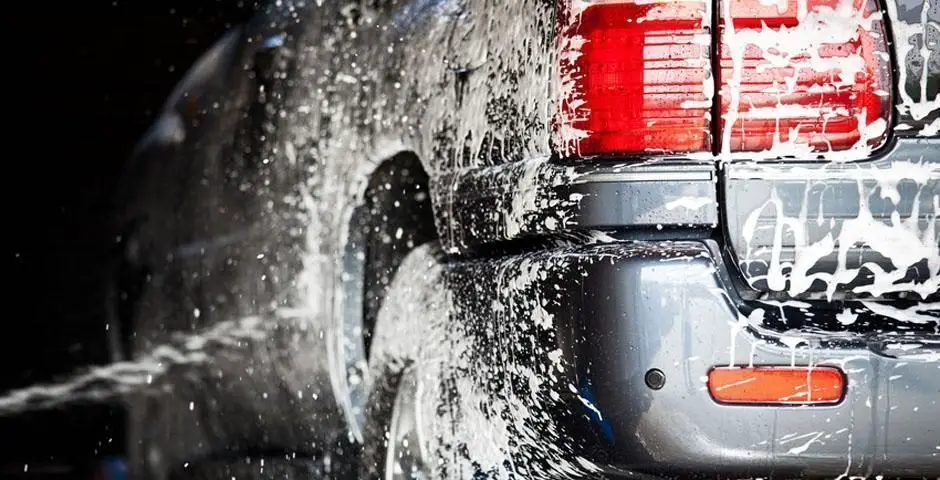
This is probably the simplest but somewhat tedious way to take care of your car. However, cleaning is necessary, both inside and out.
If possible, wash the body every week and be sure to remove road salt and dirt from the wheel wells and undercarriage.
Clean the Glass
The windshield, mirrors, and headlights must be cleaned regularly because keeping them dirty will lead to safety risks.
You can use a cleaning fluid to wipe a dirty windshield and mirrors.
On the other hand, toothpaste or baking soda can provide a temporary fix for headlights, but a can of UV-resistant clear coat will provide a permanent solution.
Inspect the Brakes
If you’re skilled enough to do car maintenance work, check them at least two or three times a year, and more often if you drive frequently and over longer distances.
You’ll need to remove the wheels and check the condition of the rotors, pads, drums, and other parts. Go to a maintenance workshop if you’re not good with engines.
Car Care FAQ
- How often should I perform regular maintenance on my car?
Regular maintenance tasks, such as oil changes, tire rotations, and inspections, should be performed according to your car manufacturer’s recommendations.
This information is usually found in your car’s owner’s manual. Typically, it’s recommended to change the oil every 3,000 to 5,000 miles, but modern cars may have longer intervals.
- How important is it to keep my car clean?
Keeping your car clean not only enhances its appearance but also prevents the buildup of dirt, grime, and contaminants that can damage exterior and interior surfaces.
Regular washing and waxing protect the paint and finish, while cleaning the interior maintains a pleasant environment and prevents wear and tear.
- How can I practice safe driving for my car maintenance?
Safe driving practices include avoiding aggressive driving, obeying traffic laws, and respecting road conditions.
These practices reduce the risk of accidents and minimize wear and tear on your car’s components, such as brakes and tires.
- What should I do when I notice problems with my car?
When you notice problems with your car, such as strange noises, warning lights, or performance changes, it’s essential to address them promptly.
Ignoring issues can lead to larger and more costly repairs down the road. Consult a mechanic for professional diagnosis and repair.
- Why is using the right fluids important for car maintenance?
Using the correct fluids, such as engine oil, transmission fluid, coolant, and brake fluid, is crucial for maintaining your car’s performance and preventing damage.
Each fluid has specific properties and functions, and using the wrong type or mixing fluids can lead to engine or system damage.
- How should I store my car when it’s not in use for an extended period?
When storing your car for an extended period, it’s essential to prepare it properly.
This includes a thorough cleaning, filling the gas tank, adding a fuel stabilizer, disconnecting the battery, and storing it in a dry, cool, and safe place to prevent damage from weather and pests.
Conclusion
In conclusion, taking care of your car is essential to ensure its longevity, performance, and safety. The six effective steps outlined in this guide provide a comprehensive A-to-Z approach to maintaining your vehicle.
By following these car maintenance steps, you can significantly extend your car’s lifespan, reduce the risk of breakdowns, and ensure a safer and more enjoyable driving experience.
Remember that taking care of your car is an investment in its longevity and your peace of mind on the road.