
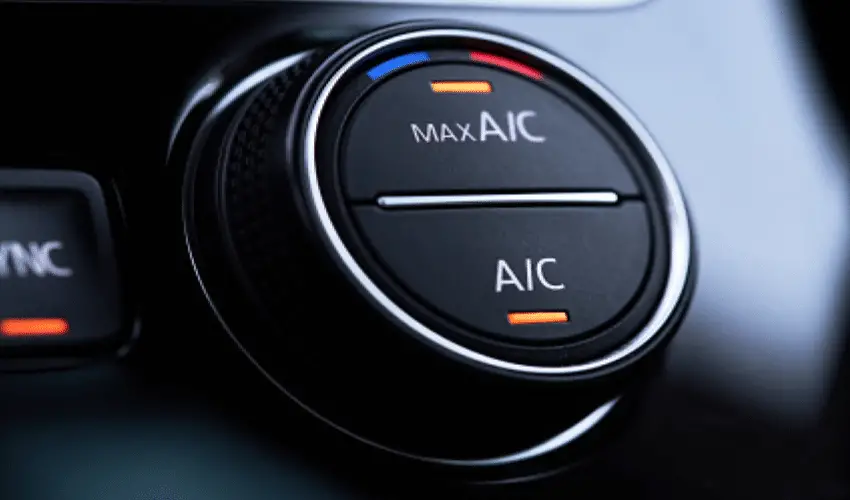
How much fuel does air conditioning use? This is a question many drivers ask themselves, especially during long summer journeys. The air conditioning (AC) system undeniably improves comfort by expelling hot air and blowing cool air into the cabin. However, its operation comes with an energy cost for your vehicle.
How does air conditioning affect fuel consumption?
The heart of the system, the AC compressor, is driven by the engine via a belt. When you activate the AC, the compressor starts up and places an additional load on the engine. To maintain its performance and run the compressor, the engine must then burn more fuel. This increased consumption, although variable, is very real.
Factors influencing increased consumption
Several elements come into play to determine the exact impact on your fuel tank:
- The model and size of the vehicle: A large SUV will consume proportionally more than a compact city car.
- The efficiency of the AC system: Newer technologies tend to be less energy-intensive.
- The outside temperature: The hotter it is, the harder the compressor has to work to cool the cabin.
- The air conditioning setting: A very low temperature and a high fan speed require more effort.
What is the real impact on your fuel budget?
On average, it is estimated that using the air conditioning can lead to increased consumption ranging between 5% and 20%. In concrete terms, this can represent approximately 0.5 to 2 extra liters per 100 km. This wide range depends directly on the factors listed above. In the city, where stop-and-go cycles are frequent, the impact is generally more pronounced than on the highway at a steady speed.
Tips to reduce consumption
You can minimize the impact of the AC on your fuel consumption:
- Park your car in the shade whenever possible.
- When starting, briefly open the windows to let the hot air out before turning on the AC.
- Use the recirculation mode once the cabin has cooled down.
- Avoid setting the temperature to the minimum; a reasonable difference from the outside is sufficient.
In conclusion, although air conditioning does use fuel, its impact remains moderate and is often a price worth paying for increased comfort and safety on hot days.